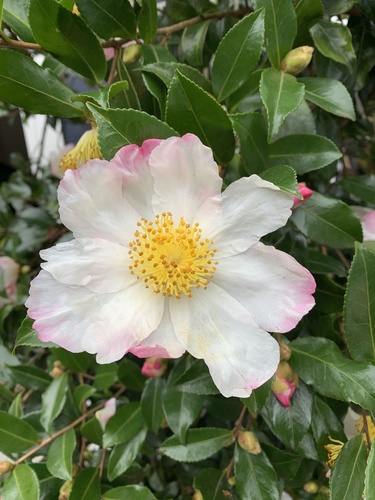
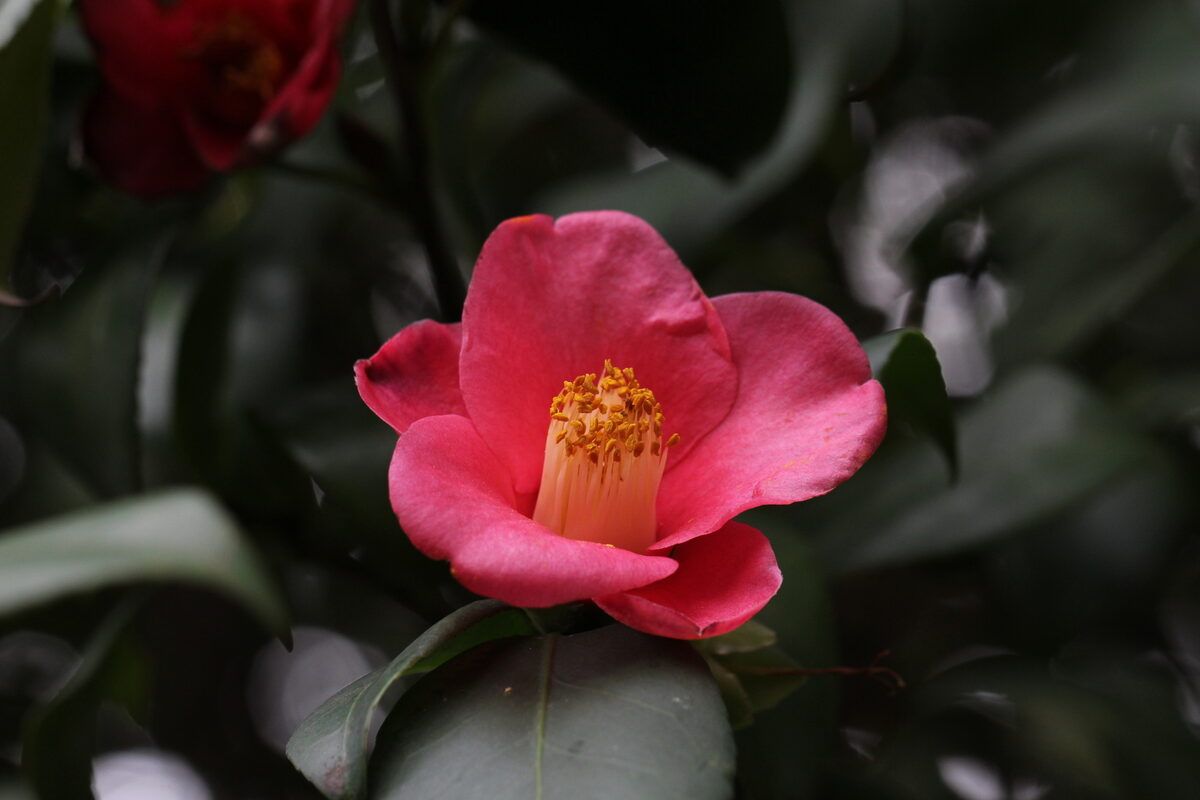
Camellia reticulata
Lindl.
iNaturalist· cc-by-nc
(c) Dave Holland, some rights reserved (CC BY-NC)
iNaturalist· cc-by-nc
(c) Dave Holland, some rights reserved (CC BY-NC)
iNaturalist· cc-by-nc
(c) Dave Holland, some rights reserved (CC BY-NC)
Summary
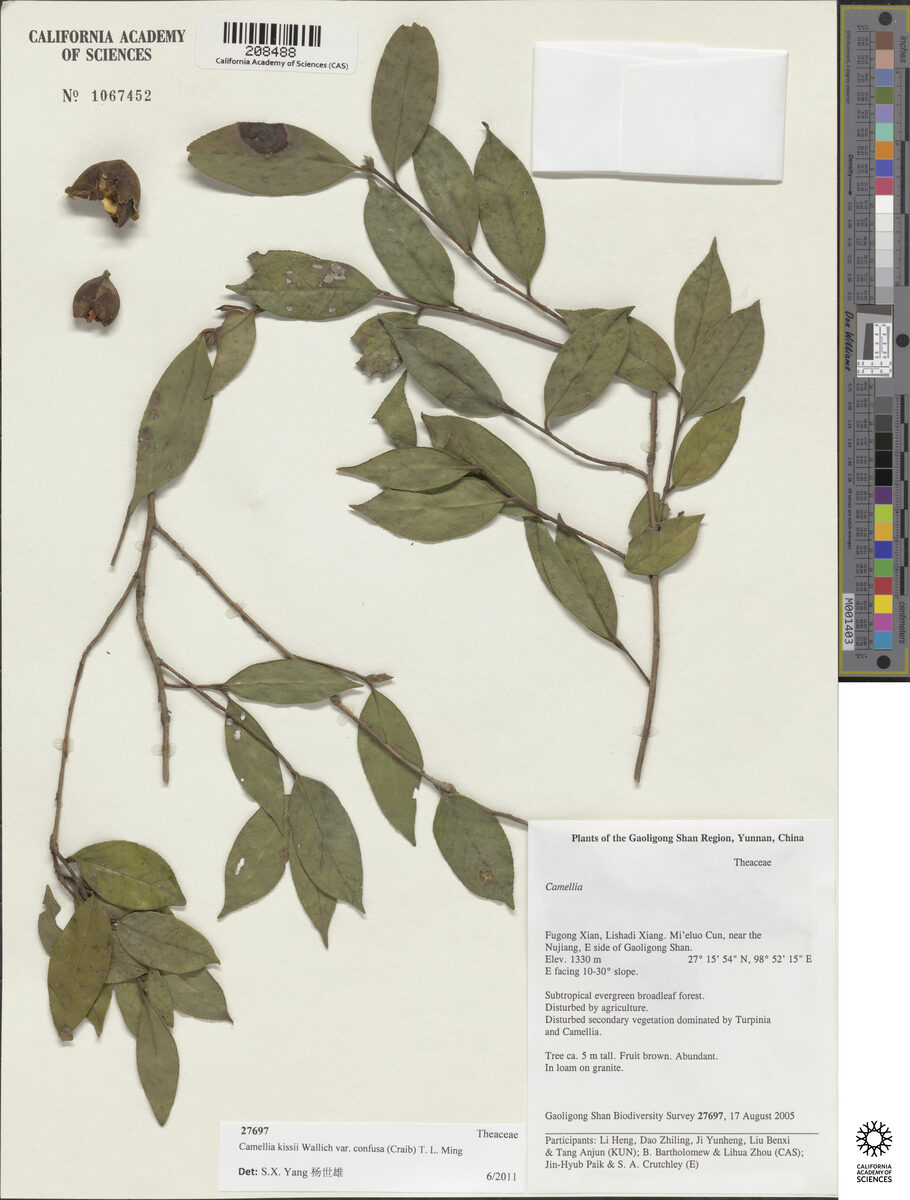
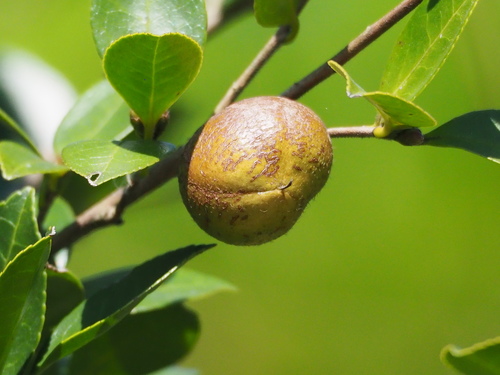
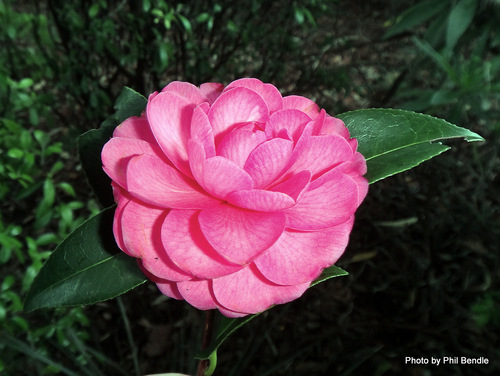
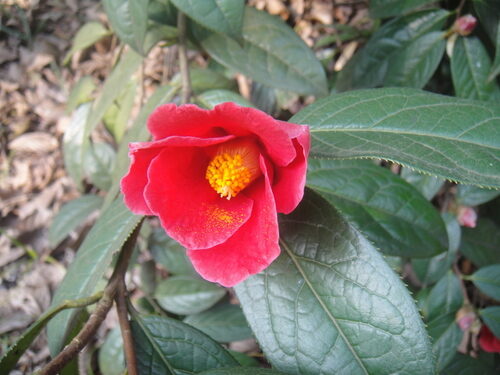
Source: WikipediaCamellia reticulata (syn. C. heterophylla) is a species of flowering plant in the tea family Theaceae, native to southwestern China, in Yunnan and Sichuan Provinces. It is a loosely branched shrub or small tree, which can grow up to 10 to 15 meters (33 to 49 ft) in height. The leaves are elliptic to oblong-elliptic, 5–11 centimetres (2.0–4.3 in) long and 4–5.5 centimetres (1.6–2.2 in) wide. The flowers are 7–10 centimetres (2.8–3.9 in) in diameter, or larger in some cultivars, soft-pink to deep-pink and rarely almost white, with 5–7 petals or more in some cultivars, and are produced in sub-terminal or axillary positions on the branch. The fruit is a light brown, three-segmented capsule, about 5 centimetres (2.0 in) in diameter that ripens in the fall This Camellia is very susceptible to cold weather and has a late blooming season; August through October in the southern hemisphere and March through May in the northern hemisphere.
Description
A shrub or small tree. It grows 4-15 m tall. The leaves are oblong and 6-10 cm long by 3-5 cm wide. They are pale green underneath. The flowers occur singly or in groups of 3 near the ends of branches. They are 7-10 cm across.
Edible Uses
Edible Parts: Oil Edible Uses: Oil An edible oil is obtained from the seed. This is a particularly good oil-bearing species.
Medicinal Uses
None known
Distribution
It is a tropical plant. It grows in forests between 1,000-3,200 m above sea level. In Sichuan and Yunnan. Arboretum Tasmania.
Where It Grows
Asia, Australia, China, Tasmania,
Cultivation
Prefers a woodland soil but thrives in a warm open well-drained loam if leafmould is added. A calcifuge plant, preferring a pH between 5 and 7. Prefers the partial shade of a light woodland, but established shrubs do well in full sun. They require protection from cold winds. A very ornamental plant but it is only hardy in mild areas of Britain, tolerating temperatures down to about -10°c. Prefers a wet summer and a cool but not very frosty dry winter. Plants are not very self-compatible, self-fertilized flowers produce few seeds and these are of low viability. This species was named after the cultivated garden form, the true wild form is C. reticulata simplex. Sealy.
Propagation
Seed - can be sown as soon as it is ripe in a greenhouse. Stored seed should be pre-soaked for 24 hours in warm water and the hard covering around the micropyle should be filed down to leave a thin covering. It usually germinates in 1 - 3 months at 23°c. Prick out the seedlings into individual pots when they are large enough to handle and grow them on in light shade in the greenhouse for at least their first winter. Plant them out into their permanent positions when they are more than 15cm tall and give them some protection from winter cold for their first year or three outdoors. Cuttings of almost ripe wood, 10 - 15cm with a heel, August/September in a shaded frame. High percentage but slow. This species does not strike from cuttings. Cuttings of firm wood, 7 - 10cm with a heel, end of June in a frame. Keep in a cool greenhouse for the first year. This species does not strike from cuttings. Leaf-bud cuttings, July/August in a frame. This species does not strike from cuttings.
Other Uses
Oil None known Special Uses
Production
In China plants flower in January to March and fruit September to October.
Synonyms
References (2)
- Liu, Yi-tao, & Long, Chun-Lin, 2002, Studies on Edible Flowers Consumed by Ethnic Groups in Yunnan. Acta Botanica Yunnanica. 24(1):41-56
- Xin, T., et al, 2017, Genetic diversity, population structure, and traditional culture of Camellia reticulata. Ecology and Evolution. 2017;1-12.