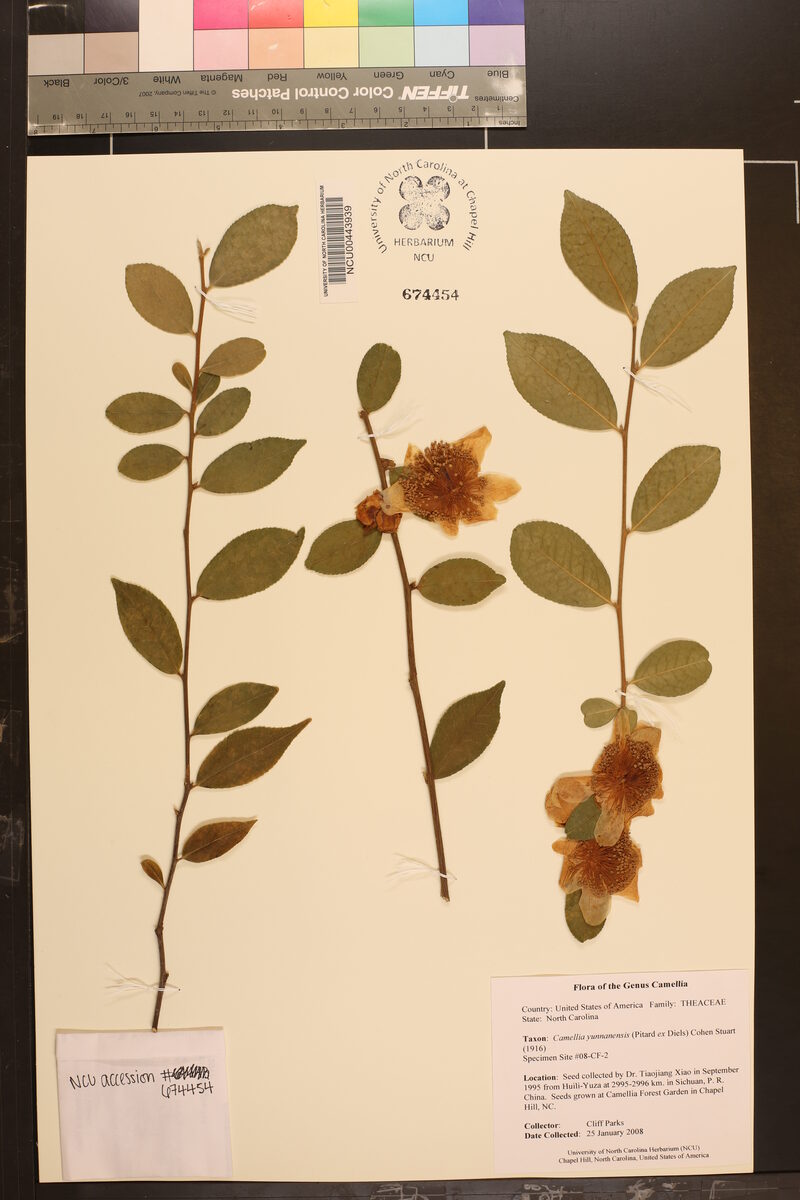
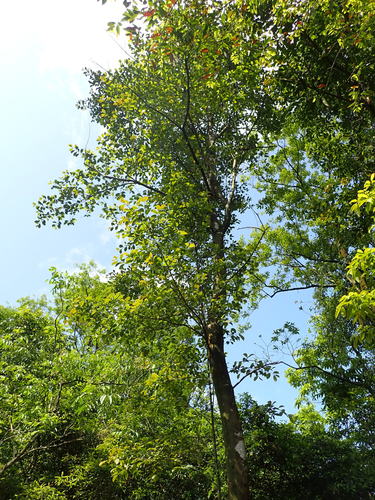
Camellia kissi
Wall.
iNaturalist· cc-by-nc
(c) T. Abe Lloyd, some rights reserved (CC BY-NC), uploaded by T. Abe Lloyd
Description
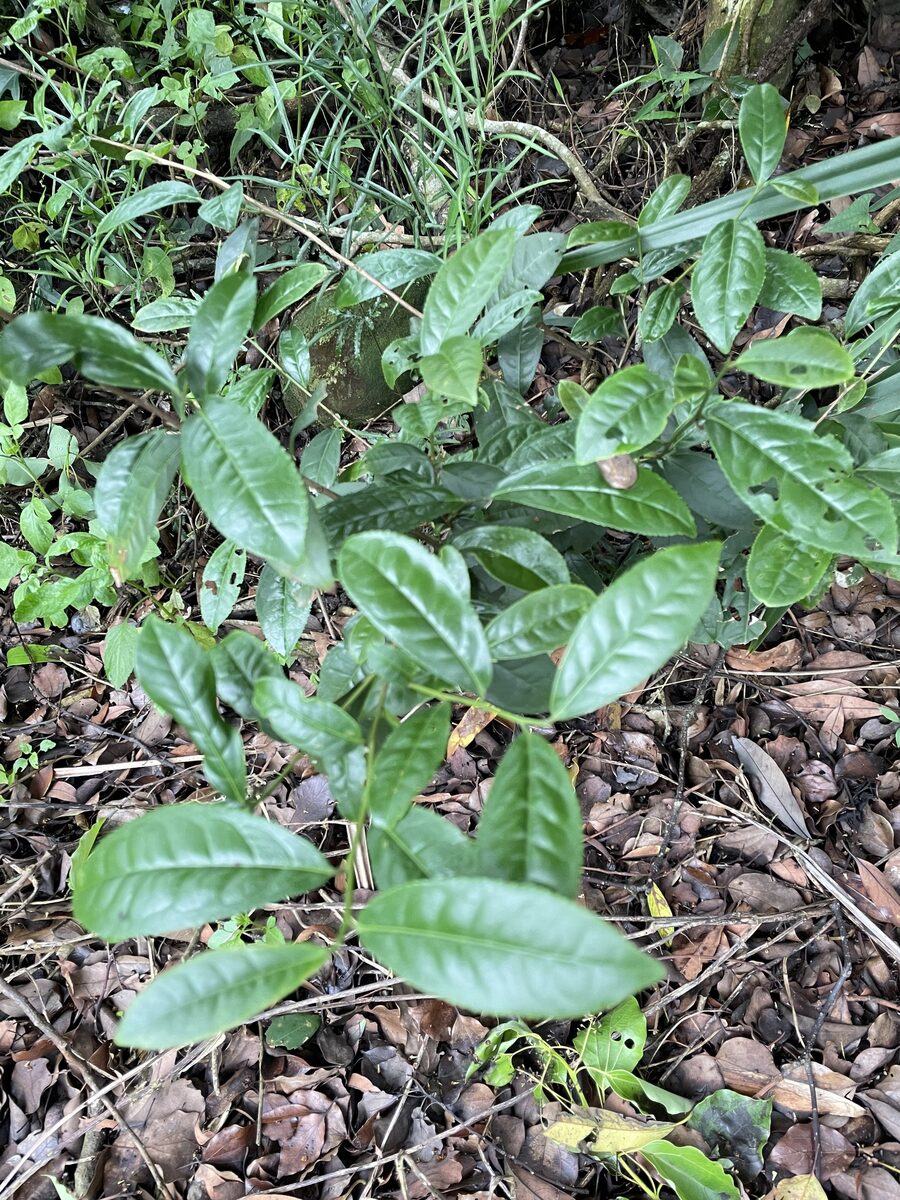
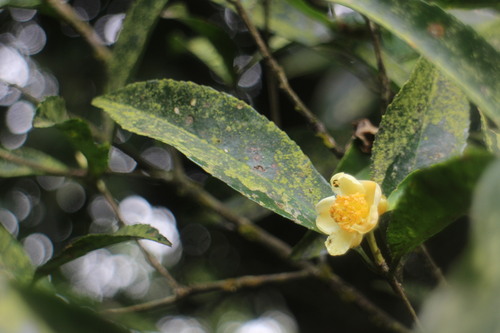
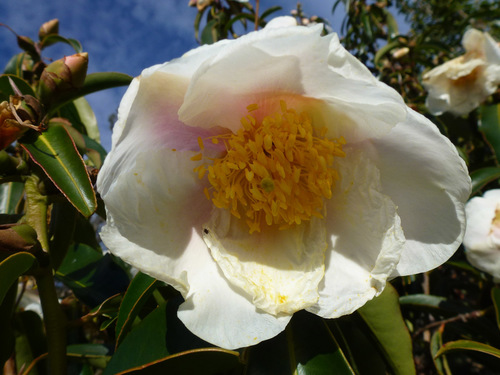
Camellia kissi is an evergreen Shrub growing to 12 m (39ft 4in). See above for USDA hardiness. It is hardy to UK zone 8. It is in leaf all year. The species is hermaphrodite (has both male and female organs) and is pollinated by Bees. Suitable for: light (sandy) and medium (loamy) soils and prefers well-drained soil. Suitable pH: mildly acid and neutral soils. It can grow in semi-shade (light woodland) or no shade. It prefers moist soil.
Edible Uses
An oil is obtained from the seed. It is used for cooking. A tea is made from the steamed then dried leaves. It is used as a substitute for China tea (obtained from C. sinensis). The flowers are boiled then pickled. The fruit is said to be edible. This seems a very strange report, the fruit is a dry wooden capsule.
Medicinal Uses
Miscellany. The oil is much valued in medicine. No more details given.
Distribution
E. Asia - C. Nepal to S.W. China.
Where It Grows
TEMPERATE ASIA: China (Guangdong Sheng, Guangxi Zhuangzu Zizhiqu, Hainan Sheng, Yunnan Sheng) TROPICAL ASIA: Bhutan, India (Arunachal Pradesh, Assam, Manipur, Meghalaya, Mizoram, Nagaland, Sikkim, Tripura, West Bengal), Nepal, India (Andaman and Nicobar Islands (Andaman Islands)), Cambodia, Laos, Myanmar, Thailand, Vietnam
Cultivation
Prefers a woodland soil but thrives in a warm open well-drained loam if leafmould is added. A calcifuge plant, preferring a pH between 5 and 7. Prefers the partial shade of a light woodland. Prefers a wet summer and a cool but not very frosty dry winter. Plants are not very self-compatible, self-fertilized flowers produce few seeds and these are of low viability. This species is sometimes cultivated in China for the edible oil contained in its seed.
Propagation
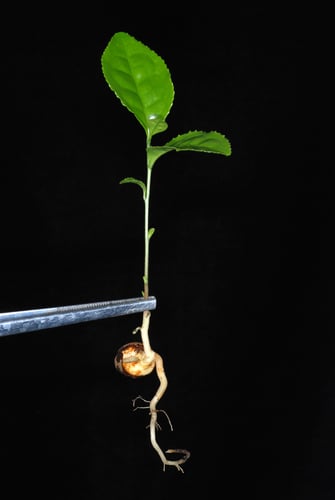
Seed - can be sown as soon as it is ripe in a greenhouse. Stored seed should be pre-soaked for 24 hours in warm water and the hard covering around the micropyle should be filed down to leave a thin covering. It usually germinates in 1 - 3 months at 23°c. Prick out the seedlings into individual pots when they are large enough to handle and grow them on in light shade in the greenhouse for at least their first winter. Plant them out into their permanent positions when they are more than 15cm tall and give them some protection from winter cold for their first year or three outdoors. Cuttings of almost ripe wood, 10 - 15cm with a heel, August/September in a shaded frame. High percentage but slow. Cuttings of firm wood, 7 - 10cm with a heel, end of June in a frame. Keep in a cool greenhouse for the first year. Leaf-bud cuttings, July/August in a frame.
Other Uses
Miscellany Oil. None known