Casearia sylvestris
Sw.
iNaturalist· cc-by-nc
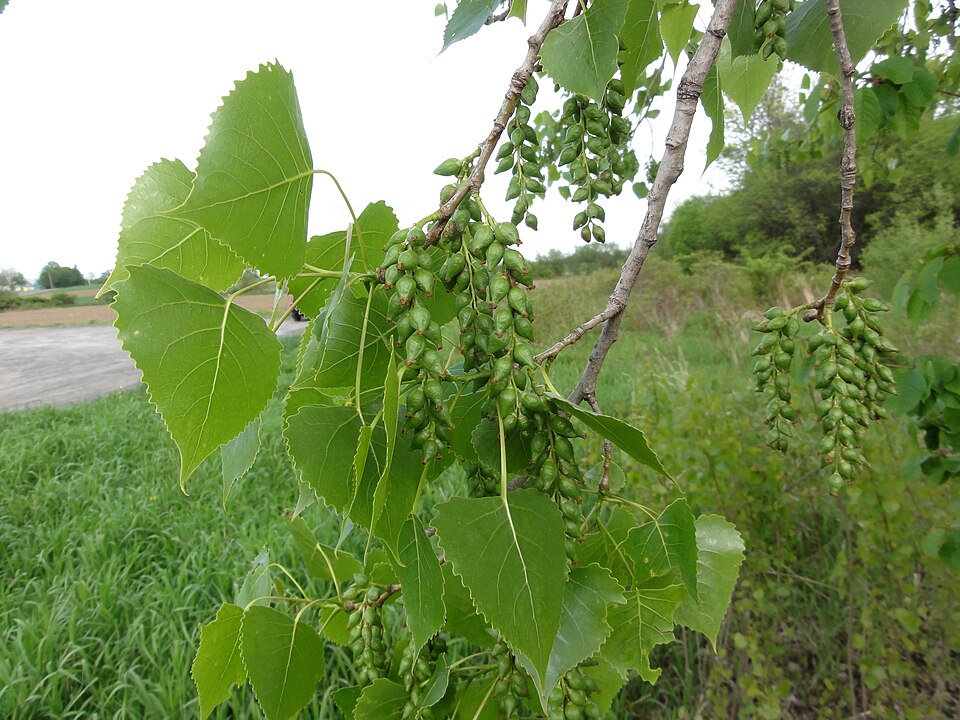
(c) Adrian González, some rights reserved (CC BY-NC), uploaded by Adrian González
iNaturalist· cc-by-nc
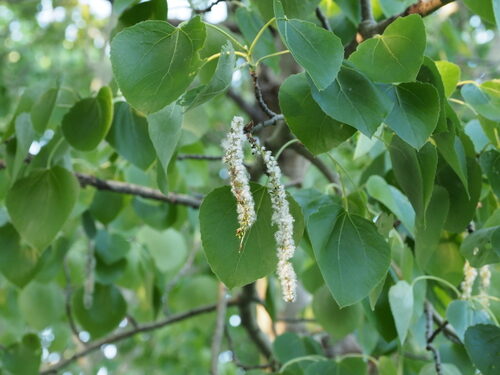
(c) Richard Joyce, some rights reserved (CC BY-NC), uploaded by Richard Joyce
iNaturalist· cc-by-nc
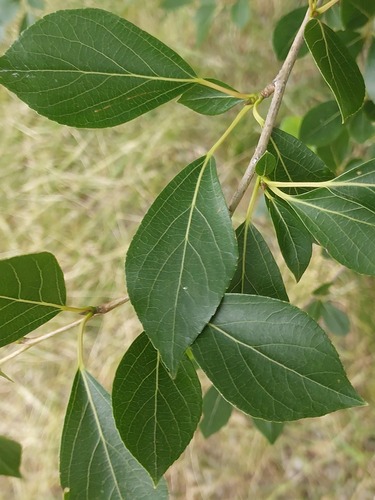
(c) Guillaume Léotard, some rights reserved (CC BY-NC), uploaded by Guillaume Léotard
Summary
Source: WikipediaCasearia sylvestris, most commonly known as guaçatonga, is a species of flowering plant in the family Salicaceae. This plant has a very wide distribution, extending from Mexico down to Argentina, throughout the near entirety of Latin America. It grows primarily in the seasonally dry tropical biome but is also common in moist secondary forests and open disturbed areas. Its range spans elevations from 0–2,800 m (0–9,186 ft), reaching heights where cloud forests develop. While it is most abundant in lowland forests, including tropical rainforest and tropical dry forest, it is also found in oak forests and thrives in secondary vegetation.
Description
A shrub or small tree native to tropical regions, with alternate leaves and yellow fruit; found from sea level to 2,300 m elevation in Argentina.
This description is brief — help expand it
Edible Uses
Fruit. The fruit is a globose to slighly flattened capsule around 3 - 4mm in diameter, containing 2 - 5 seeds wrapped in a yellow, edible glutinous aril. Anti-reumática,anti-sarna, antitérmica, cicatrizante, antidiarréica, anitfebril, afecções da pele
Medicinal Uses
The bark and leaves are analgesic, anti-inflammatory, antirheumatic, antiseptic, aphrodisiac, depurative, tonic and vulnerary. The leaves especially are used internally in the treatment of a wide range of ailments including inflammations, fevers, gastric ulcers and diarrhoea. Externally, the leaves are used in the treatment of wounds and skin disorders. The bark and leaf are said to protect against snake venom. The bark is useful against harmful and inflammatory fevers. The juice or decoction of the leaves has the same medicinal properties as the bark, as well as being an effective treatment against diarrhoes and herpetic diseases. It is used both internally and externally against snake bites. The macerated roots, or a decoction of them, are used in the treatment of wounds and leprosy. The oil from the seed is used in the treatment of leprosy. The leaves and young shoots contain several medicinally active compounds, including essential oils, caprionic acid, saponins, alkaloids and flavonoids. Laboratory experiments have confirmed antiseptic, antitumor, antiulser, and abortive activity. A crude extract of Caesaria sylvestris has inhibited phospholipase A2 activity in snake venoms and mitigated the hemorrhagic and myotoxic activities caused by crude venoms.
Known Hazards
In traditional medicine, Casearia sylvestris is used to treat inflammation, skin lesions, and microbial infections. Steaped in water, the leaves and bark are also regarded to be a useful laxative and to help with rheumatic disorders. Research into the essential oils is ongoing. Casearia sylvestris is valued for its wood, resin, and ecological benefits. It is a fast-growing species, thriving in tropical forests, salty soils, full sun, and dappled shade, and regenerates well through coppicing, with a lifespan of up to 20 years. Its globose capsule produces 2–5 seeds wrapped in a yellow, edible aril, contrasting with the potentially toxic capsules of some species. Cultivation of Casearia sylvestris relies on fresh seeds, best collected when capsules begin to open, rinsed to remove arils, and sown in shaded nursery beds. Germination rates are low but variable, with seedlings sprouting within 20–30 days, reaching transplant size within months. Cuttings also serve as an alternative propagation method. The tree is used in reforestation and wildlife restoration, providing food for birds and pollen for bees, with flowers that emit a scent resembling honey and urine. Its fine-textured, strong wood, though susceptible to wood-eating organisms, is used for construction, flooring, lathe work, cabinet making, and charcoal production.
Distribution
It is a tropical plant. In Argentina it grows from sea level to 2,300 m above sea level.
Where It Grows
Argentina, Bolivia, Brazil, Central America, Colombia, Dominican Republic, Haiti, Jamaica, Paraguay, South America, Uruguay, West Indies,
Cultivation
Succeeds in full sun and in dappled shade. Tolerant of salty soils. A fast-growing plant, commencing flowering whan around 100cm tall. Plants can live around 20 years. Plants usually respond well to coppicing. The plant can flower and produce fruit all year round. The flowers smell like a mixture of honey and urine.
Propagation
The seed of species in this genus often has a short period of viability and so is best sown as soon as it is ripe. The seed is collected when the fruits start to open - leave them in the sun to open completely to release the seed, then rinse the seed in water to remove the arils. Sow the seed in a partially shaded position in a nursery seedbed, only just covering the seed, and keep moist. Germination rates vary, but can usually be expected to be low, with the seed sprouting within 20 - 30 days. When the seedlings are 3 - 5cm tall, pot them up into individual containers and they should be ready to plant out a few months later. Cuttings.
Other Uses
The seeds are the source of a non-drying oil. It is a substitute for chaulmoogra oil, obtained from Hydnocarpus anthelmintica. The leaves contain around 2.5% essential oils with a pleasant aroma. They are used in perfumery An extract of the leaves is used as an ingredient in commercial cosmetic preparations as a skin conditioner. An extract of the whole plant is used as an ingredient in commercial cosmetic preparations as a skin protector. A resin that resembles amber can be obtained from the bark. It is used by native people to make lip ornaments The heartwood is a dark, chocolate brown; the sapwood yellowish to light bown. The wood is said to be fine-textured, hard, moderately heavy, strong, compact, with poor resistance to wood-eating organisms, easy to split. It is used in some regions for construction purposes, lathe work, flooring blocks, boards, cabinet making etc when available in large enough pieces. The wood is often used for fuel and also to make charcoal. A fast-growing natural pioneer species that provides food for several species of birds, it can be used in reforestation projects for restoring native woodland. The flowers are a good source of pollen for bees.
Synonyms
Also Known As
Cha-de-frade
References (3)
- Bortolotto, I. M., et al, 2018, Lista preliminar das plantas alimenticias nativas de Mato Grosso do Sul, Brasil. Iheringia, Serie Botanica, Porto Alegre, 73 (supl.):101-116
- Reis, S. V. and Lipp, F. L., 1982, New Plant Sources for Drugs and Foods from the New York Botanical Garden herbarium. Harvard. p 194
- Roa, J. A. G. & Boada, D. S. G., 2018, Fundación para el Fortalecimiento de la Fruticultura y Plantas Alimenticias no Convencionales en Colombia.