Casearia corymbosa
Kunth
Corymbose casearia
iNaturalist· cc-by-nc
(c) Carlos Antonio López Manzano, some rights reserved (CC BY-NC), uploaded by Carlos Antonio López Manzano
iNaturalist· cc-by
(c) Alexis López Hernández, some rights reserved (CC BY)
Description
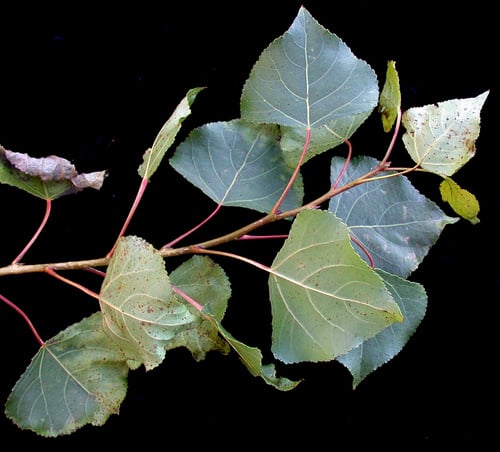
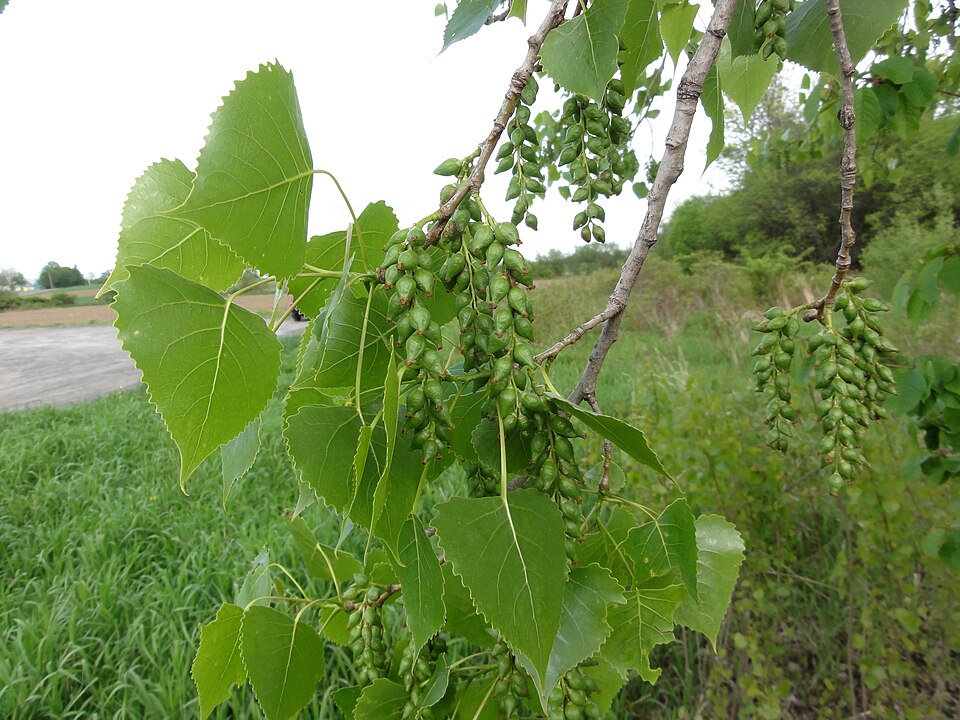
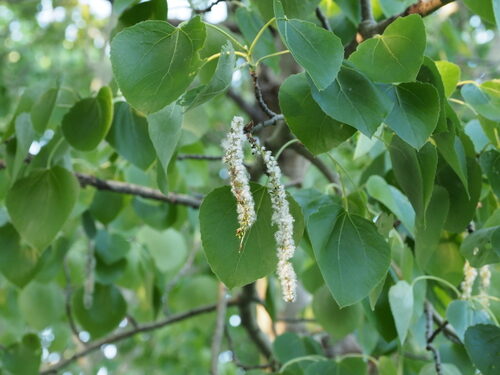
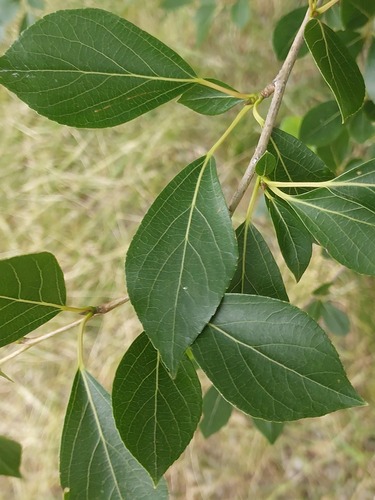
A shrub or small tree. The leaves are alternate and have teeth. The flowers are white. They are in clusters along the branches.
This description is brief — help expand it
Edible Uses
Fruit - raw. The red fruit is a capsule containing a number of seeds surrounded by an edible red aril, but the plant is poisonous.
Traditional Uses
The aril or fleshy lay around the seed is eaten.
This uses section is brief — help expand it
Medicinal Uses
None mentioned.
Known Hazards
The fruit is used as a fish poison. The fruit is a capsute containing several seeds. Although the capsule of some species (and possibly also the seeds contained therein) is somewhat toxic, the fleshy aril surrounding the seeds is a different matter and in some species (see information below on edibility to see if this is one of them) is often eaten and is considered to be perfectly wholesome.
Distribution
It is a tropical plant. It grows on the edge of the forest. It grows in drier zones.
Where It Grows
Belize, Caribbean, Central America, Colombia, Costa Rica, El Salvador, Guatemala, Honduras, Mexico, Nicaragua, North America, Panama, South America, Venezuela,
Propagation
The seed of species in this genus often has a short period of viability and so is best sown as soon as it is ripe. The seed is collected when the fruits start to open - leave them in the sun to open completely to release the seed, then rinse the seed in water to remove the arils. Sow the seed in a partially shaded position in a nursery seedbed, only just covering the seed, and keep moist. Germination rates vary, but can usually be expected to be low, with the seed sprouting within 20 - 30 days. When the seedlings are 3 - 5cm tall, pot them up into individual containers and they should be ready to plant out a few months later. Cuttings.
Notes
There are 160-180 Casearia species. They are mostly in South America. 75 occur in tropical America. They have also been put in the plant family Flacourtiaceae.
Synonyms
Also Known As
Cape-che, Canjuro, Carano, Cerito, Chilamate, Chim-che, Ciruela, Coralillo, Frutilla, Huesito, Ixim-te, Perlito, Plomillo blanco
References (12)
- Altschul, S.V.R., 1973, Drugs and Foods from Little-known Plants. Notes in Harvard University Herbaria. Harvard Univ. Press. Massachusetts. no. 2938 (As Casearia arguta)
- Bircher, A. G. & Bircher, W. H., 2000, Encyclopedia of Fruit Trees and Edible Flowering Plants in Egypt and the Subtropics. AUC Press. p 88 (As Casearia pringlei)
- Condit, R., et al, 2011, Trees of Panama and Costa Rica. Princeton Field Guides. p 416 (As Casearia arguta)
- Fouqué, A., 1972, Espèces fruitières d'Amérique tropicale. Institut français de recherches fruitierès outre-mer
- Grandtner, M. M., 2008, World Dictionary of Trees. Wood and Forest Science Department. Laval University, Quebec, Qc Canada. (Internet database http://www.WDT.QC.ca)
Show all 12 references Hide references
- Grandtner, M. M. & Chevrette, J., 2013, Dictionary of Trees, Volume 2: South America: Nomenclature, Taxonomy and Ecology. Academic Press p 105
- Kermath, B. M., et al, 2014, Food Plants in the Americas: A survey of the domesticated, cultivated and wild plants used for Human food in North, Central and South America and the Caribbean. On line draft. p 194
- Martin, F. W., et al, 1987, Perennial Edible Fruits of the Tropics. USDA Handbook 642 p 95 (As Casearia pringlei)
- Roa, J. A. G. & Boada, D. S. G., 2018, Fundación para el Fortalecimiento de la Fruticultura y Plantas Alimenticias no Convencionales en Colombia.
- Schatz, G.E., 2001, Generic Tree Flora of Madagascar. Royal Botanical Gardens, Kew and Missouri Botanical Garden. p 354 (Genus)
- Segura, S., et al, 2018, The edible fruit species in Mexico. Genet Resour Crop Evol (2018) 65:1767–1793 (As Casearia pringlei)
- Sleumer, H. O. 1980. Flacourtiaceae. In: Organization for Flora Neotropica, ed., Fl. Neotrop. Monogr. 22:298–303.