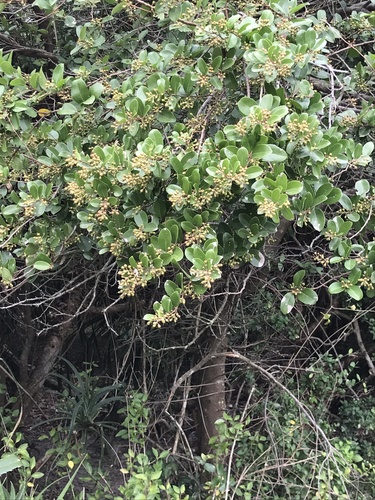
Casearia decandra
Jacq.
Pipewood, Wild honey tree
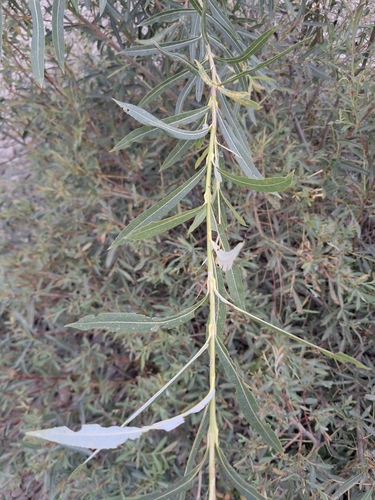
iNaturalist· cc-by-nc
(c) juliannmrosado, some rights reserved (CC BY-NC)
iNaturalist· cc-by-nc
(c) Andreina Mees, some rights reserved (CC BY-NC)
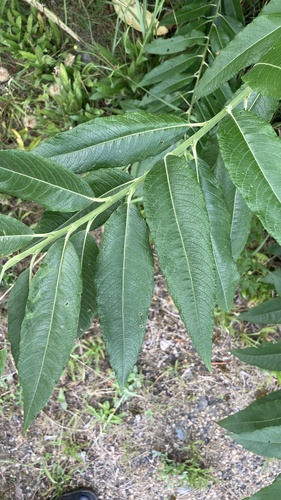
iNaturalist· cc-by-nc
(c) Neil Gilham, some rights reserved (CC BY-NC), uploaded by Neil Gilham
Description
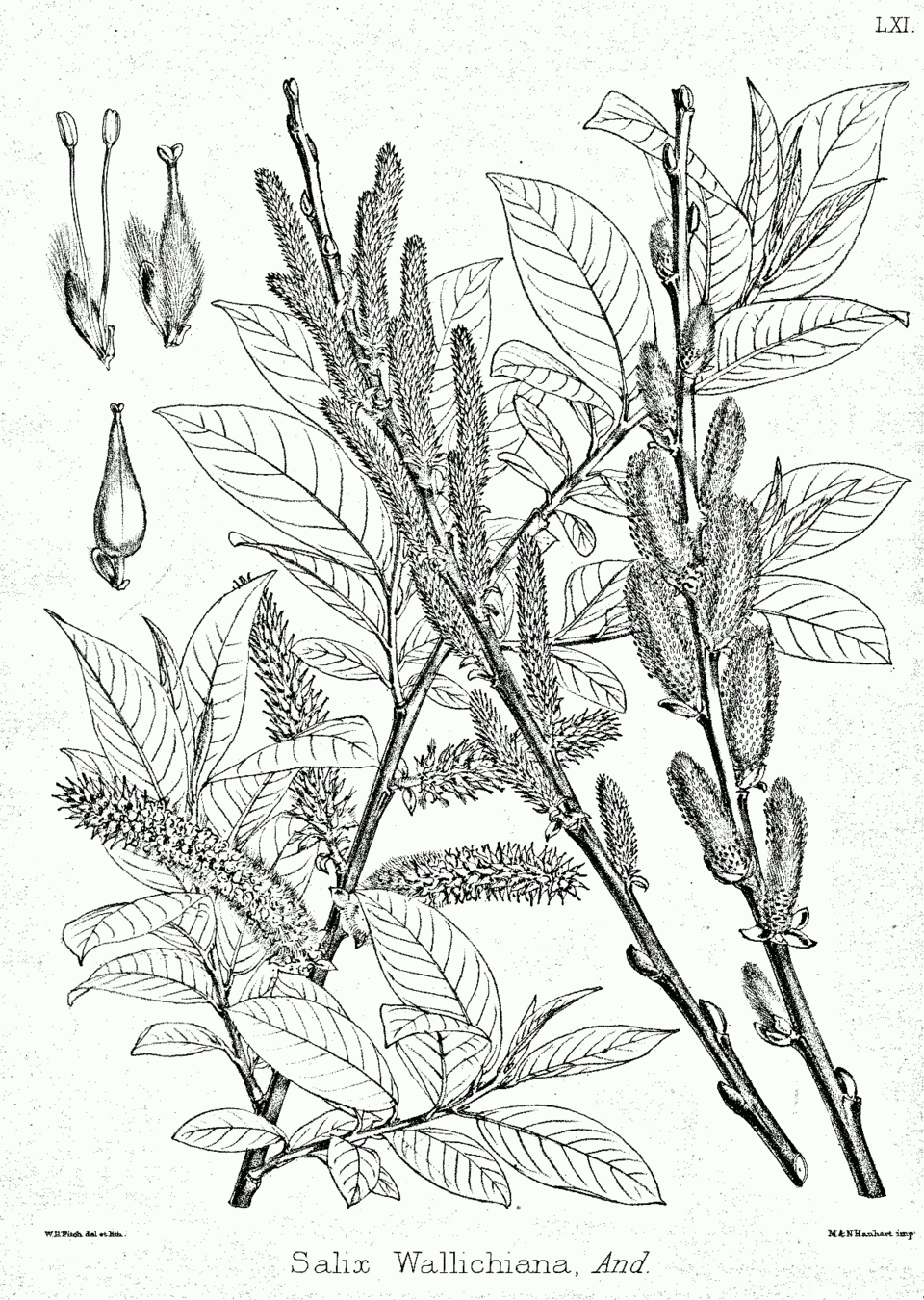
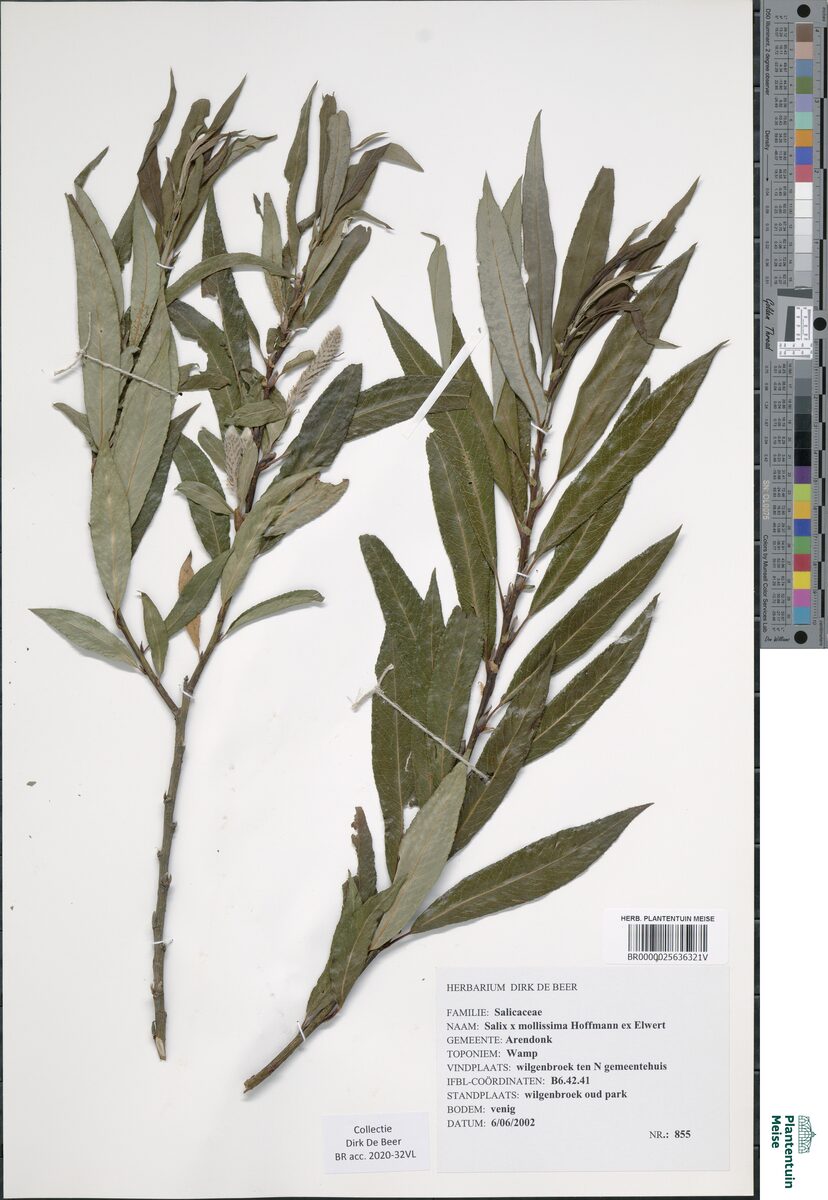
A tree. It grows 4-10 m high. It can be 18 m tall. It loses its leaves during the year. The leaves are thin and papery. They are 5-10 cm long and smooth on both surfaces. The leaf stalk is 4-6 cm long. The flowers are grouped in the axils of the leaves. The flowers are yellow and they have a scent. The fruit are round capsules. They are about 1 cm across. They contain several seeds. The aril or layer around the seeds is yellow or orange. The pulp is sweet and edible.
Edible Uses
Fruit - raw. Almost tasteless. Very sweet according to another report, and pleasantly flavoured. The fruit is a capsule containing a number of seeds wrapped in a sticky, fleshy pulp that has a sweet taste. The fruits are up to 1cm in diameter.
Traditional Uses
The aril or fleshy layer around the seed is eaten.
This uses section is brief — help expand it
Medicinal Uses
The aril is consumed for food purposes.
Known Hazards
The fruit is a capsute containing several seeds. Although the capsule of some species (and possibly also the seeds contained therein) is somewhat toxic, the fleshy aril surrounding the seeds is a different matter and in some species (see information below on edibility to see if this is one of them) is often eaten and is considered to be perfectly wholesome.
Distribution
A tropical plant. It grows in a range of forest types throughout Brazil from sea level to 100 m altitude. In the Guianas it grows to 1,000 m altitude.
Where It Grows
Amazon, Argentina, Brazil*, Central America*, Colombia, Dominican Republic, Grenadines, Guiana, Guianas, Guyana, Haiti, Lesser Antilles*, Martinique, Mexico, Paraguay, Puerto Rico, South America*, Suriname, Uruguay, Venezuela, Virgin Islands, West Indies*,
Cultivation
Plants are grown from seed.
Propagation
Seed - best sown as soon as ripe. Sow in a sunny position in a nursery bed. Seed normally germinates in 3 - 4 weeks, less than 50% normally germinating. Around 90% of seed sown as soon as it was ripe had germinated within 7 days in one trial.
Other Uses
The leaves and the flowers contain essential oils. The light brown wood is moderately heavy, hard, straight-grained and with a fine texture. It is not very durable, especially when exposed to the weather. It is used for making light utensils, fence posts, toys and boxes. The wood is used for fuel and to make charcoal.
Other Information
It is not widely appreciated
Notes
There are 160-180 Casearia species. They are mostly in South America. 75 occur in tropical America. They have also been put in the plant family Flacourtiaceae.
Synonyms
Also Known As
Burro ka'a, Cambroe, Canela-de-veado, Cerezo, Cerito, Guacatonga, Huesillo, Pitumba, Pururuca
References (17)
- Altschul, S.V.R., 1973, Drugs and Foods from Little-known Plants. Notes in Harvard University Herbaria. Harvard Univ. Press. Massachusetts. no. 2945
- Bircher, A. G. & Bircher, W. H., 2000, Encyclopedia of Fruit Trees and Edible Flowering Plants in Egypt and the Subtropics. AUC Press. p 88 (As Casearia parvifolia)
- Brack, P., et al, 2020, Frutas nativas do Rio Grande do Sul, Brasil: riqueza e potencial alimentício. Native fruits of Rio Grande do Sul, Brazil: richness and potential as food. Rodriguésia 71: e03102018
- Ekman Herbarium records Haiti
- Grandtner, M. M. & Chevrette, J., 2013, Dictionary of Trees, Volume 2: South America: Nomenclature, Taxonomy and Ecology. Academic Press p 105
Show all 17 references Hide references
- Kermath, B. M., et al, 2014, Food Plants in the Americas: A survey of the domesticated, cultivated and wild plants used for Human food in North, Central and South America and the Caribbean. On line draft. p 195
- Kinupp, V. F., 2007, Plantas alimenticias nao-convencionais da regiao metropolitana de Porto Alegre, RS, Brazil p 97
- Lopez-Diago, D. & Garcia, N., 2021, Wild edible fruits of Colombia. Biota ColomBiana 22 (2) p 50
- Lorenzi, H., Bacher, L., Lacerda, M. & Sartori, S., 2006, Brazilian Fruits & Cultivated Exotics. Sao Paulo, Instituto Plantarum de Estuados da Flora Ltda. p 290
- Martin, F. W., et al, 1987, Perennial Edible Fruits of the Tropics. USDA Handbook 642 p 95 (As Casearia parviflora)
- NYBG herbarium "edible"
- Plants of Haiti Smithsonian Institute http://botany.si.edu/antilles/West Indies
- Reis, S. V. and Lipp, F. L., 1982, New Plant Sources for Drugs and Foods from the New York Botanical Garden herbarium. Harvard. p 193
- Roa, J. A. G. & Boada, D. S. G., 2018, Fundación para el Fortalecimiento de la Fruticultura y Plantas Alimenticias no Convencionales en Colombia.
- Smith, N., Mori, S.A., et al, 2004, Flowering Plants of the Neotropics. Princeton. p 159
- van Roosmalen, M.G.M., 1985, Fruits of the Guianan Flora. Utrecht Univ. & Wageningen Univ. p 128
- www.colecionandofrutas.org