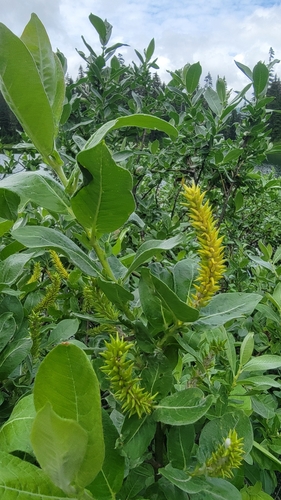
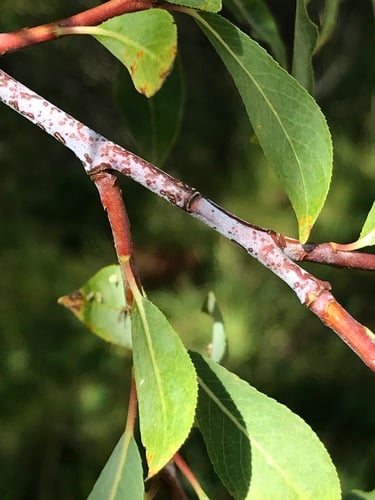
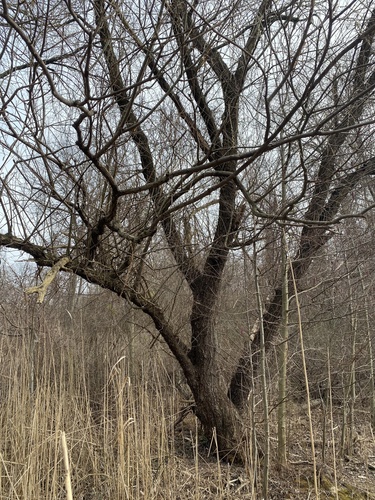
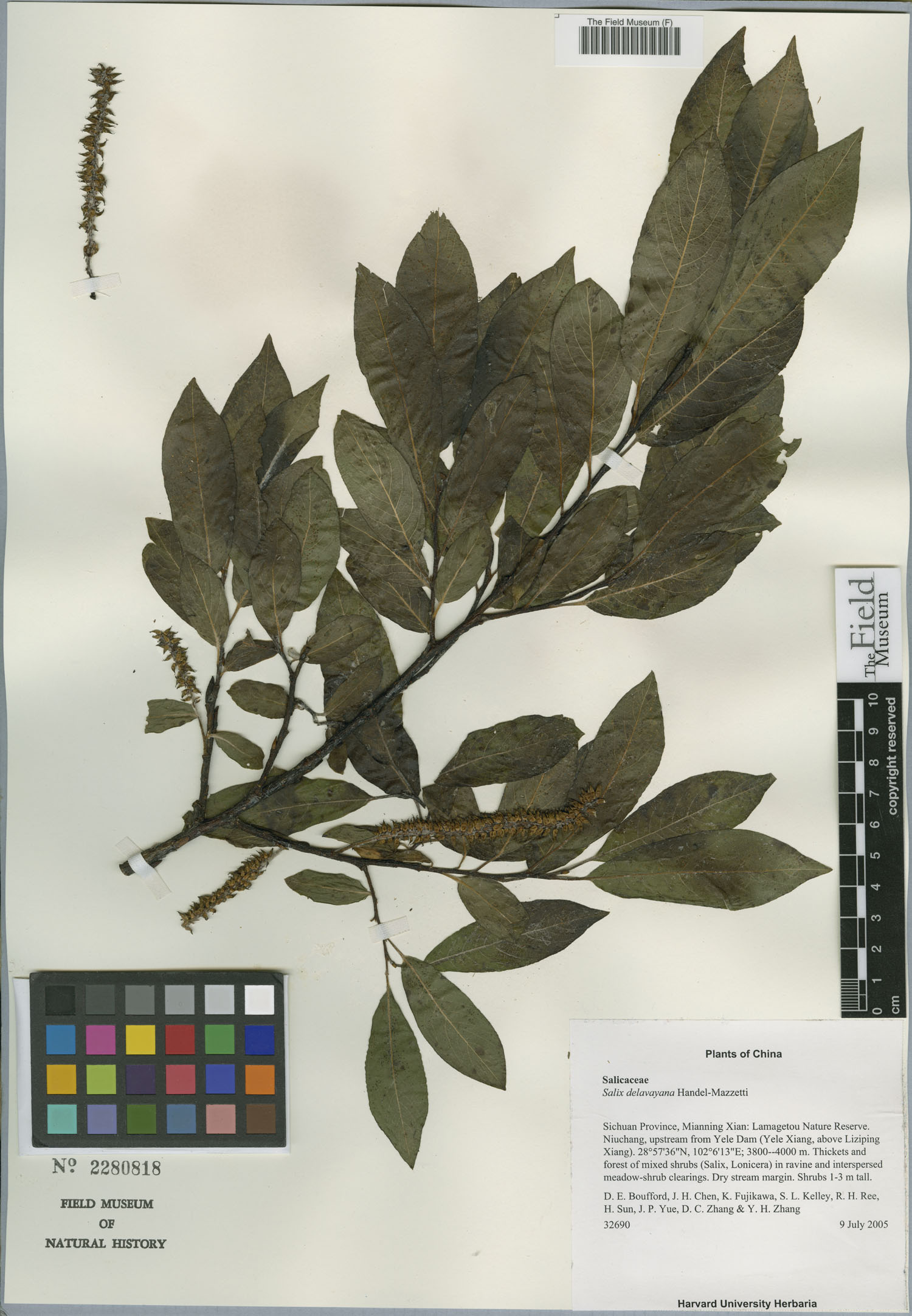
Casearia combaymensis
Tul.
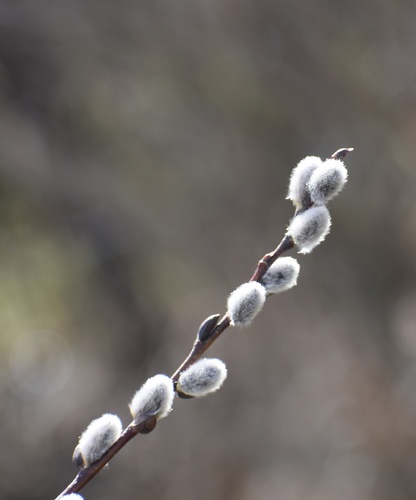
iNaturalist· cc-by-nc
(c) Alice Bello, some rights reserved (CC BY-NC), uploaded by Alice Bello
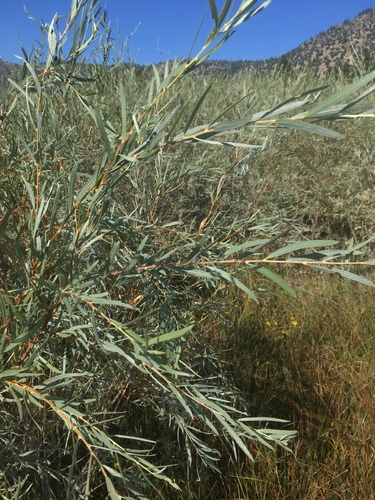
iNaturalist· cc-by-nc
(c) Nils Servientis - Bivouac Naturaliste, some rights reserved (CC BY-NC)
iNaturalist· cc-by-nc
(c) Nils Servientis - Bivouac Naturaliste, some rights reserved (CC BY-NC)
Description
A tropical shrub or small tree with yellow fruit.
This description is brief — help expand it
Edible Uses
Fruit - raw. The fleshy fruit has a sweet flavour but with a stinking smell. The green to yellowish-green or orange, globose to ovoid fruit is around 75mm x 60mm, containing a number of seeds surroundec by a sweet tasting aril.
Traditional Uses
The aril of fleshy layer around the seed is eaten.
This uses section is brief — help expand it
Known Hazards
The fruit is a capsute containing several seeds. Although the capsule of some species (and possibly also the seeds contained therein) is somewhat toxic, the fleshy aril surrounding the seeds is a different matter and in some species (such as this one) is often eaten and is considered to be perfectly wholesome.
Distribution
It is a tropical plant.
Where It Grows
Amazon, Bolivia, Brazil, Central America, Colombia, Ecuador, Guianas, Panama, Peru, South America, Venezuela,
Propagation
The seed of species in this genus often has a short period of viability and so is best sown as soon as it is ripe. The seed is collected when the fruits start to open - leave them in the sun to open completely to release the seed, then rinse the seed in water to remove the arils. Sow the seed in a partially shaded position in a nursery seedbed, only just covering the seed, and keep moist. Germination rates vary, but can usually be expected to be low, with the seed sprouting within 20 - 30 days. When the seedlings are 3 - 5cm tall, pot them up into individual containers and they should be ready to plant out a few months later. Cuttings.
Synonyms
Also Known As
Chana, Chana jisicato, Cuse, Ihui pama, Kromanti-oedoe, Maspara, Mukuvava, Pepa de perro, Piabinha, Shibadan, Shulla muyo, Yobiberoxoco
References (5)
- Grandtner, M. M. & Chevrette, J., 2013, Dictionary of Trees, Volume 2: South America: Nomenclature, Taxonomy and Ecology. Academic Press p 105
- Kermath, B. M., et al, 2014, Food Plants in the Americas: A survey of the domesticated, cultivated and wild plants used for Human food in North, Central and South America and the Caribbean. On line draft. p 193
- Reis, S. V. and Lipp, F. L., 1982, New Plant Sources for Drugs and Foods from the New York Botanical Garden herbarium. Harvard. p 194
- Torre, de la, L., et al, 2008, Enciclopedia de las Plantas Útiles del Ecuador. Herbario QCA. Pontificia Universidad Católica del Ecuador. p 561
- Zambrana, P, et al, 2017, Traditional knowledge hiding in plain sight – twenty-first century ethnobotany of the Chácobo in Beni, Bolivia. Journal of Ethnobiology and Ethnomedicine (2017) 13:57