Casearia barteri
Masters
Punum
iNaturalist· cc-by-nc
(c) Bart Wursten, some rights reserved (CC BY-NC), uploaded by Bart Wursten
iNaturalist· cc-by-nc
(c) GMarques, some rights reserved (CC BY-NC)
Summary
Source: WikipediaCasearia barteri is a species of flowering plant in the family Salicaceae. It is found in Angola, Cameroon, Central African Republic, the Republic of the Congo, the Democratic Republic of the Congo, Ivory Coast, Equatorial Guinea, Gabon, Ghana, Liberia, Nigeria, São Tomé and Príncipe, Sierra Leone, and Sudan.
Description
A tree. It grows about 20 m tall. The trunk can be 40 cm across. The leaves are oval and shiny green. The fruit are 4.5 cm long. The fruit split to expose seeds in a bright red aril.
Edible Uses
The stem is used as a chew stick.
Traditional Uses
The stem is used as a chew stick.
This uses section is brief — help expand it
Distribution
It is a tropical plant. It grows in humid and swamp forests.
Where It Grows
Africa, Angola, Cameroon, Central Africa, Central African Republic, CAR, Congo DR, Congo R, Côte d'Ivoire, Equatorial Guinea, Gabon, Ghana, Ivory Coast, Liberia, Nigeria, Sao Tome and Principe, Sierra Leone, Sudan, West Africa,
Notes
There are 160-180 Casearia species. They are mostly in South America. 75 occur in tropical America. They have also been put in the plant family Flacourtiaceae.
References (2)
- Dalziel, J. M., 1937, The Useful plants of west tropical Africa. Crown Agents for the Colonies London.
- Peters, C. R., O'Brien, E. M., and Drummond, R.B., 1992, Edible Wild plants of Sub-saharan Africa. Kew. p 113
More from Salicaceae
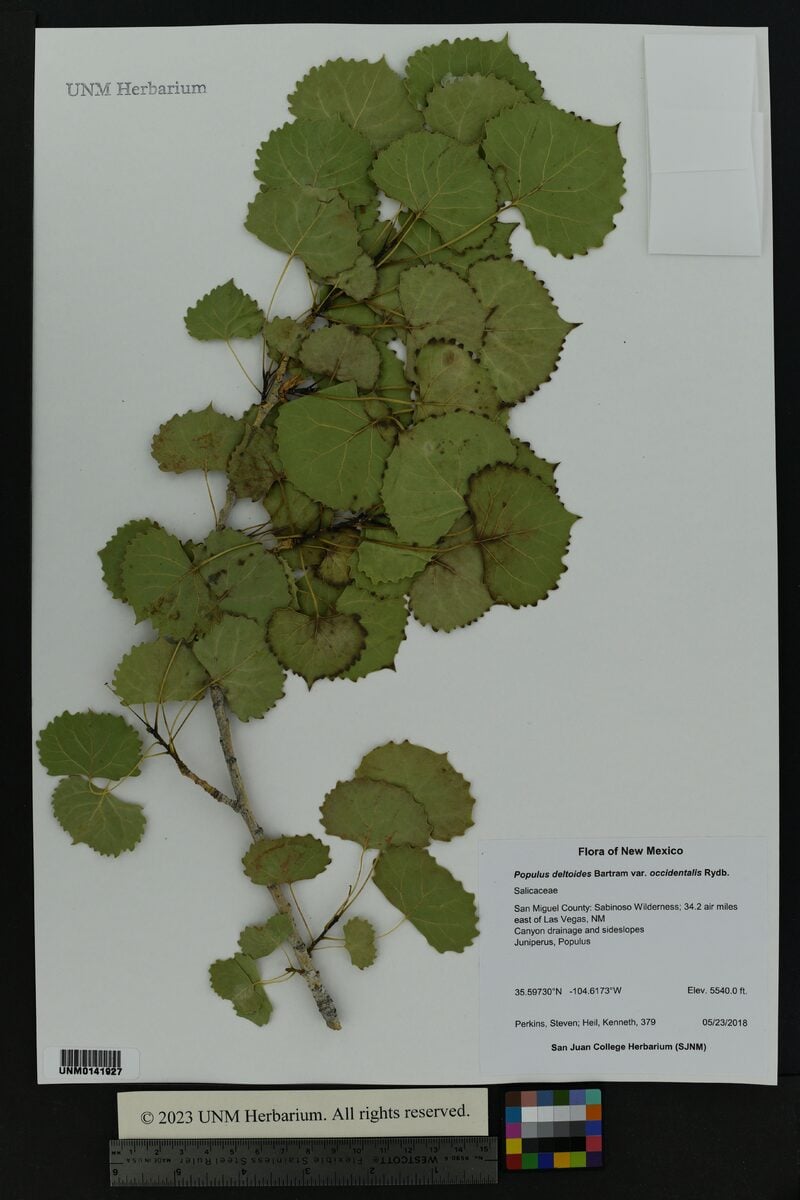
Populus deltoides var. occidentalis
Plains cottonwood
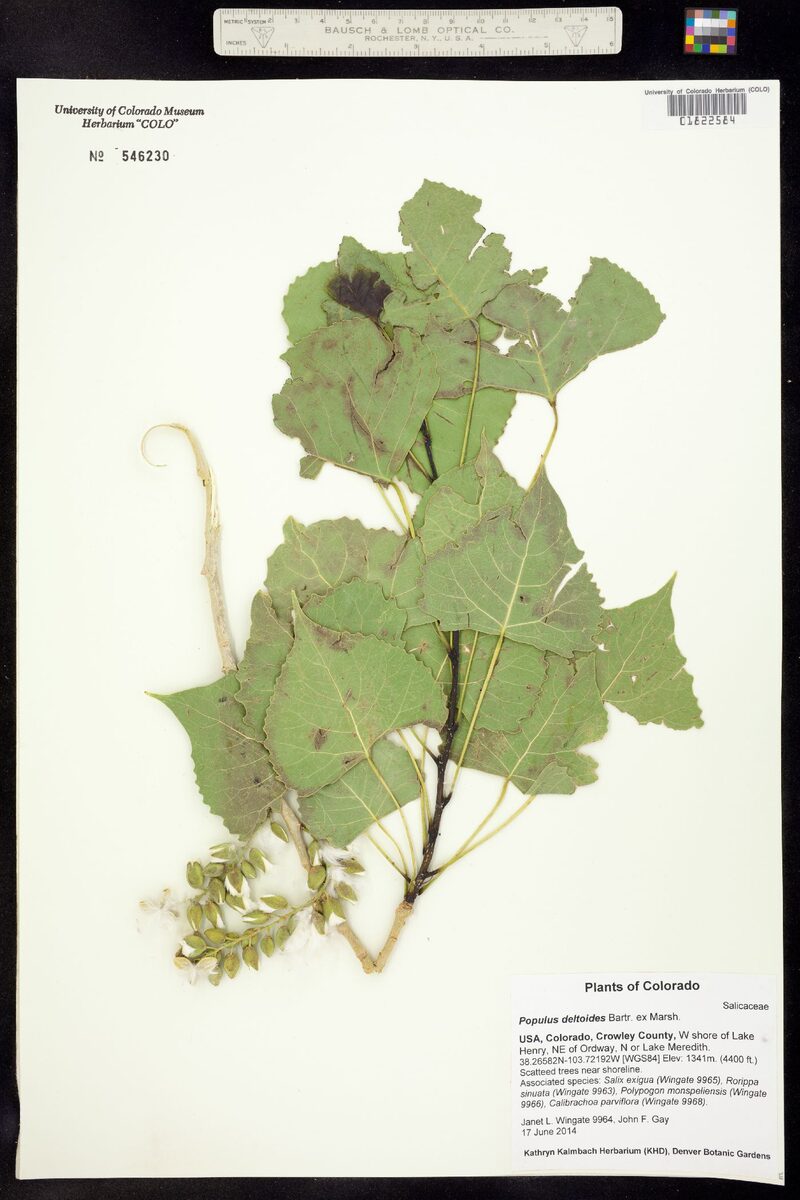
Populus deltoides var. wislizenii
Rio grande cottonwood
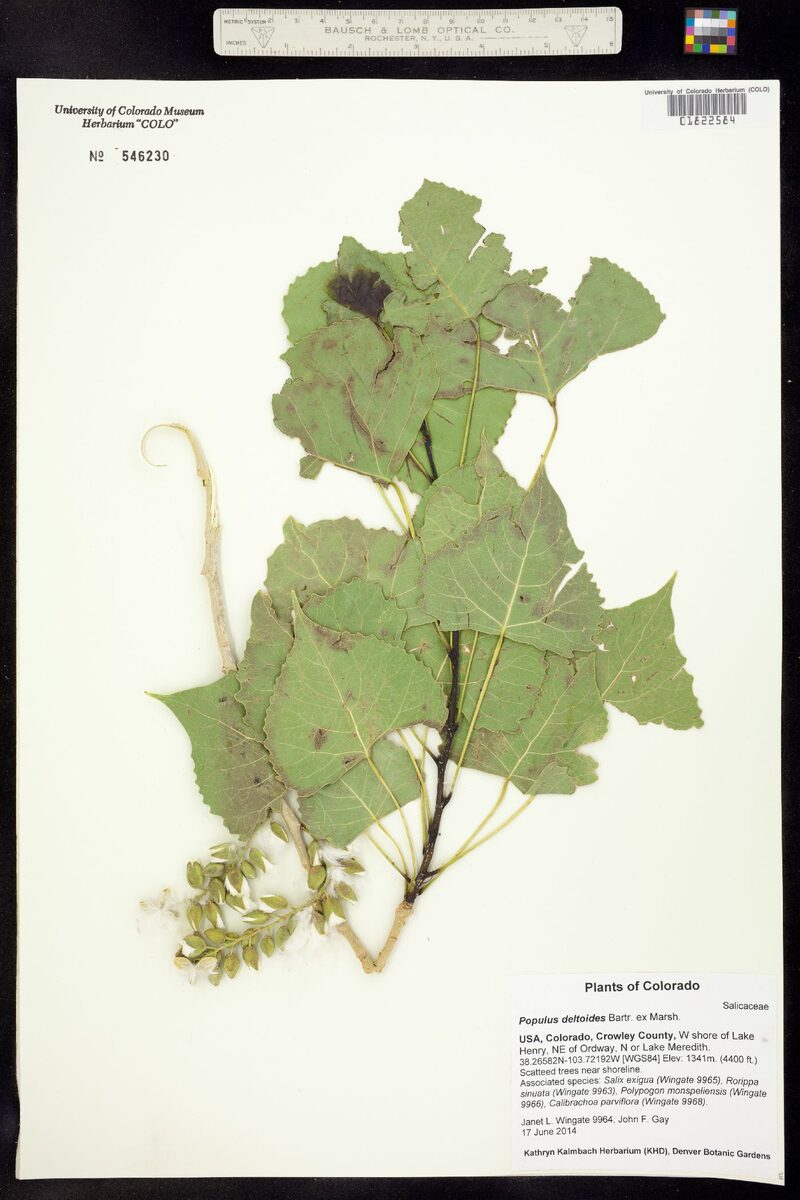
Populus deltoides wislizenii - (S.Watson.)Eckenw.
Rio Grande Cottonwood
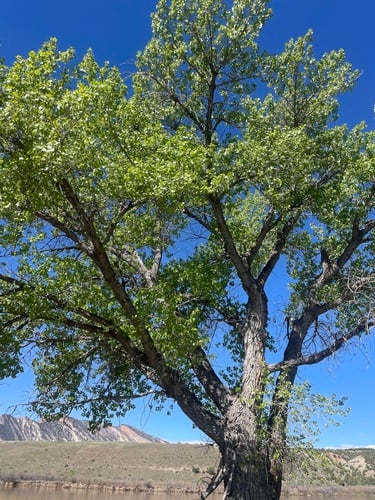
Populus fremontii
Fremot's cottonwood
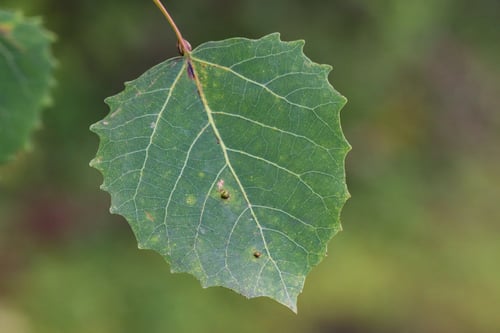
Populus grandidentata
Bigtooth Aspen, Largetooth aspen
Populus hybrids
Hybrid poplar