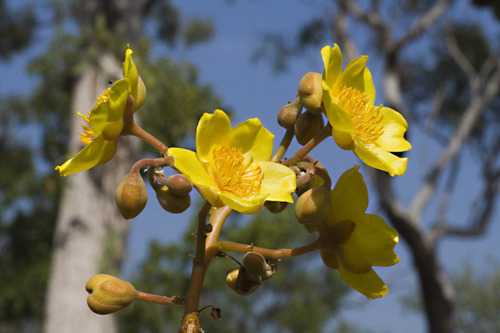
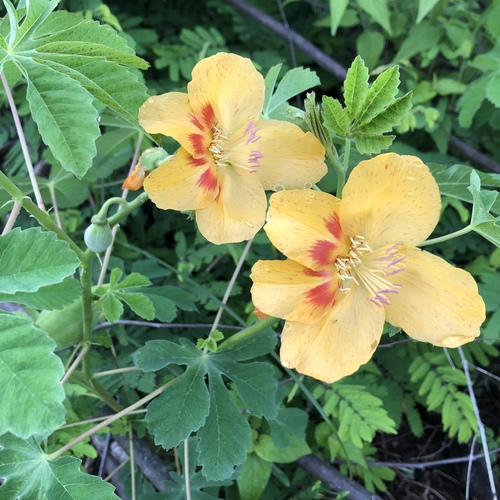
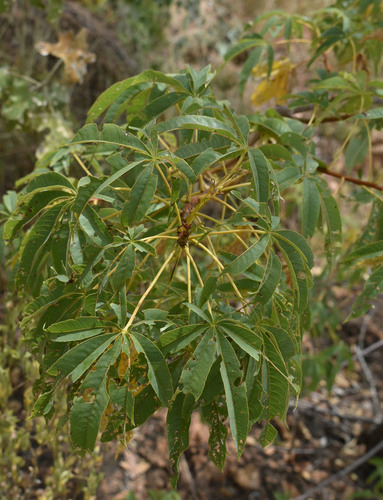
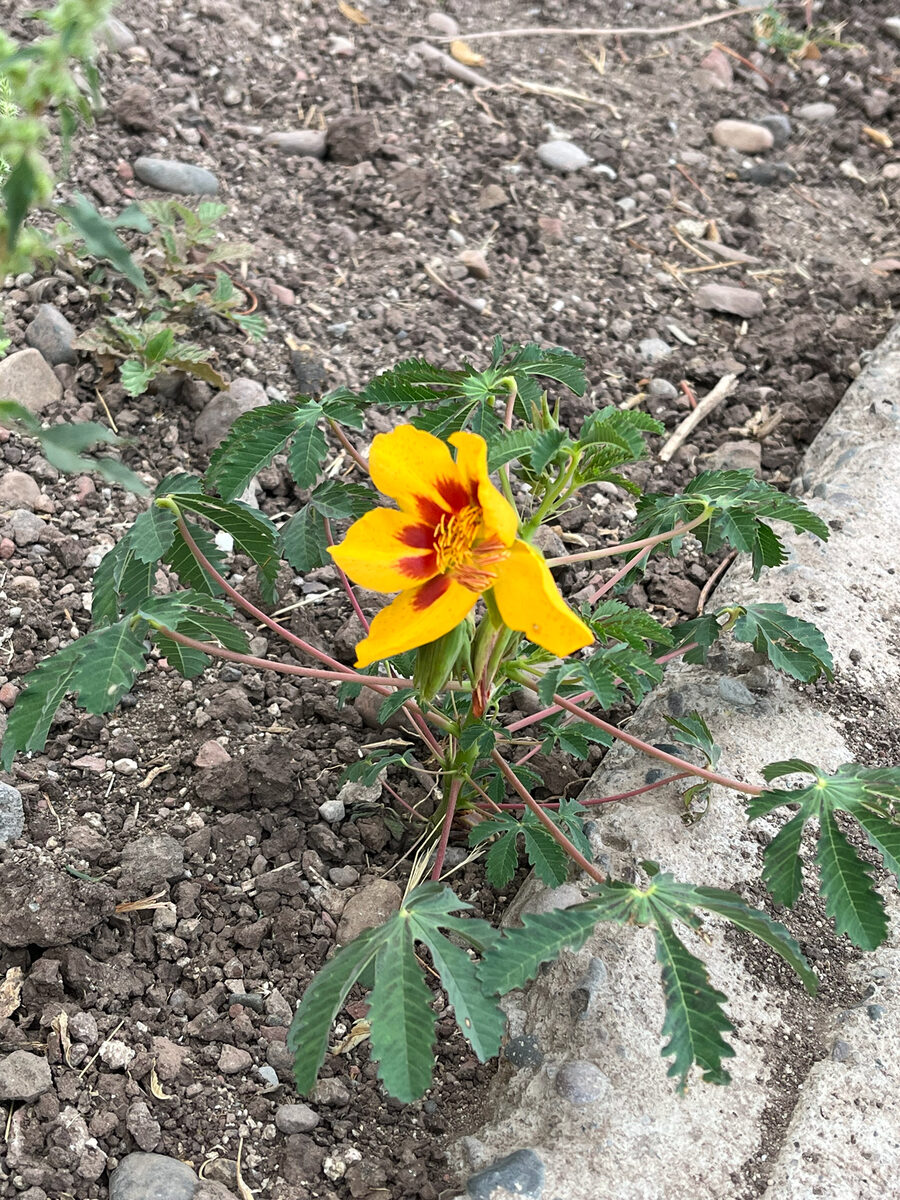
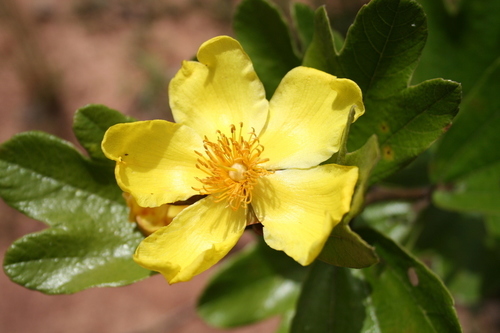
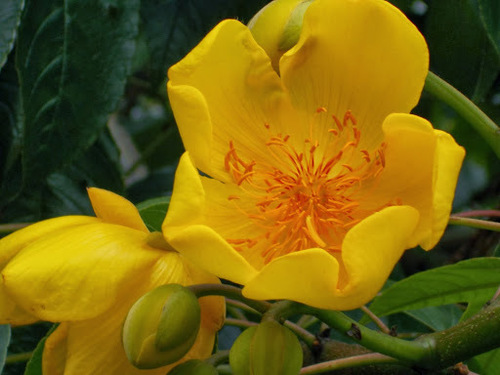
Cochlospermum orinocense
(Kunth) Steud.
iNaturalist· cc-by-nc
(c) Jorge L. Peña, some rights reserved (CC BY-NC)
iNaturalist· cc-by-nc
(c) Mayk Oliveira, some rights reserved (CC BY-NC)
iNaturalist· cc-by-nc
(c) Marcus Athaydes, some rights reserved (CC BY-NC)
Description
A tropical plant in the Bixaceae family with red fruit used in traditional practice.
This description is brief — help expand it
Edible Uses
The fruit are used as a food colouring.
Traditional Uses
The fruit are used as a food colouring.
This uses section is brief — help expand it
Distribution
It is a tropical plant.
Where It Grows
Bolivia, South America, Venezuela,
Cultivation
Grows best in a sunny position. A fast-growing tree.
Propagation
Seed - it has a short viability and so is best sown as soon as it is ripe in a partially shaded position in a nursery seedbed. A low germination rate can be expected, with the seed sprouting within 60 - 80 days.
Other Uses
A fibre obtained from the inner bark is used for tying and cordage. A silky fibre obtained from the seed floss is used locally as a stuffing material for filling pillows and mattresses. A small quantity of yellowish resin is excreted from the bark. The heartwood is reddish-brown; it is demarcated from the thick band of pale yellowish or light pinkish brown sapwood. The wood is coarse-textured; straight-grained; tasteless, but slightly fragrant when fresh; light in weight; soft; with a low resistance to rot and the attacks of wood-eating insects. Easy to work, but of low quality, it is only used for making light boxes. The wood is used for fuel.
Synonyms
Also Known As
Carnestolendo
References (2)
- Reis, S. V. and Lipp, F. L., 1982, New Plant Sources for Drugs and Foods from the New York Botanical Garden herbarium. Harvard. p 191
- Kew, Plants of the World on Line