Cochlospermum fraseri subsp. heteroneurum
(F. Muell.) Poppend.
Kapok Tree, Cotton Tree
gbif· cc-by
Royal Botanic Gardens, Kew
gbif· cc-by
Royal Botanic Gardens, Kew
gbif· cc-by
Royal Botanic Gardens, Kew
Summary
Source: WikipediaCochlospermum fraseri is a tree in the family Bixaceae with common names cotton tree, kapok bush, and kapok tree. It is native to northwestern Australia from the Kimberly region of Western Australia to the northern parts of the Northern Territory.
Description
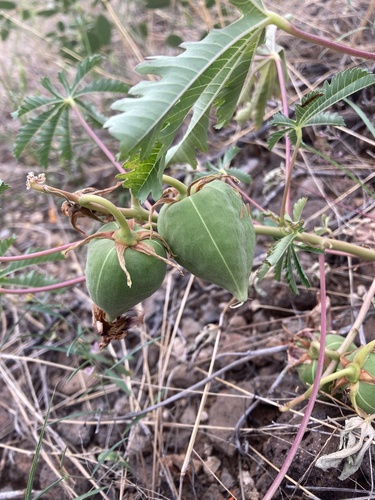
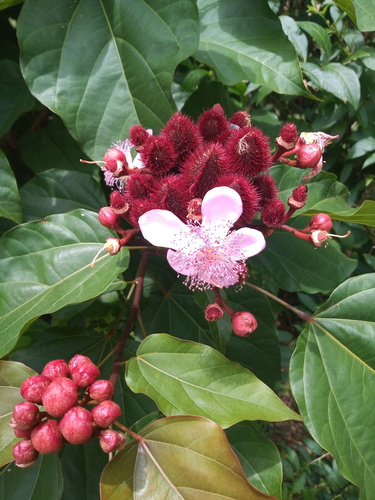
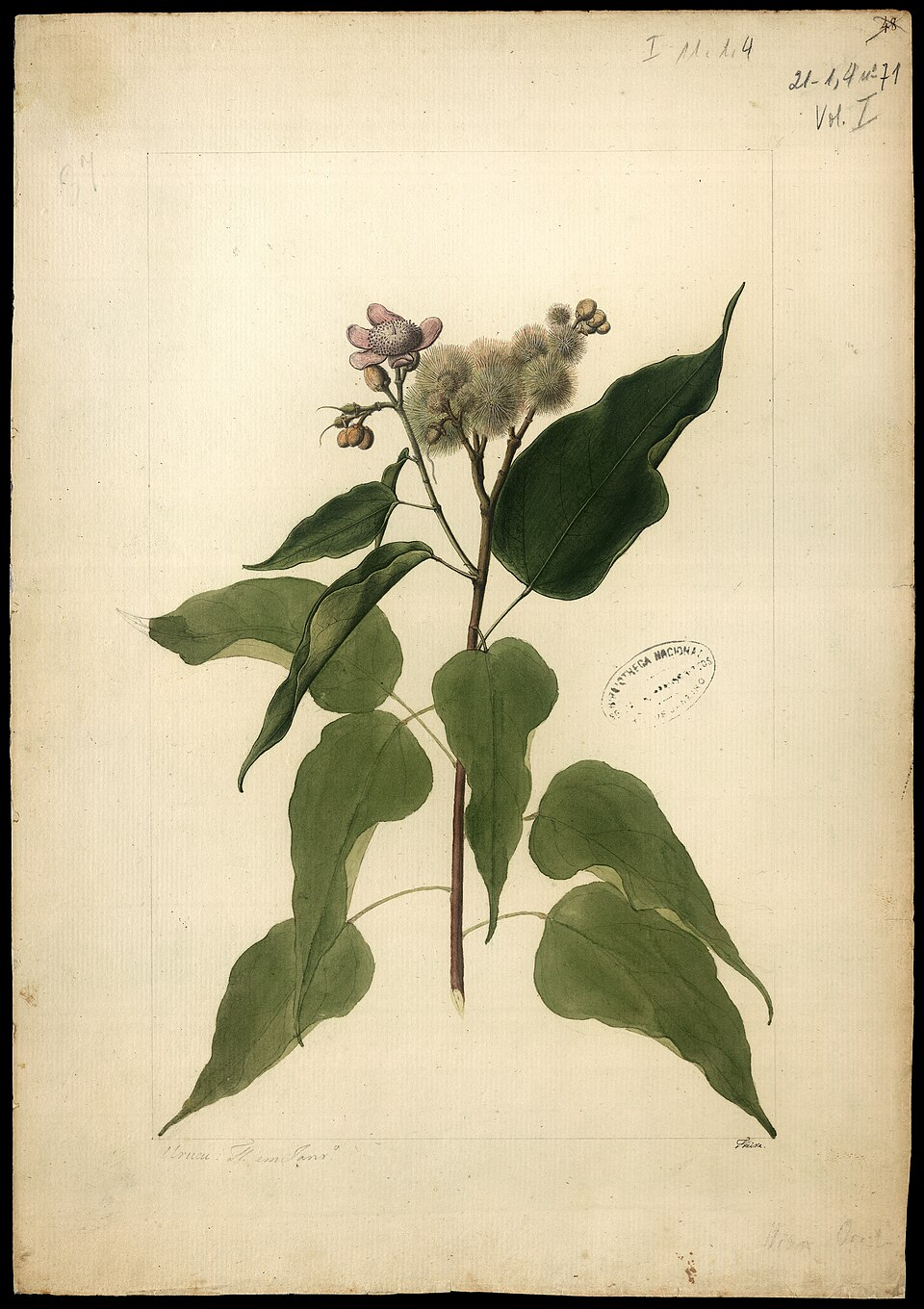
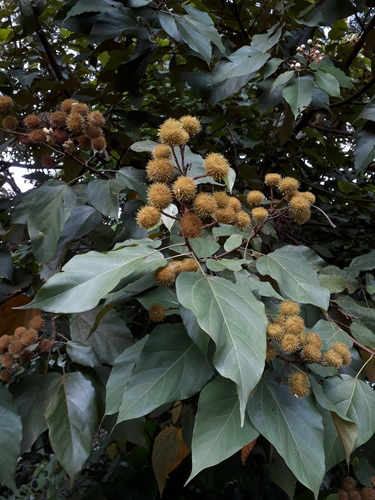
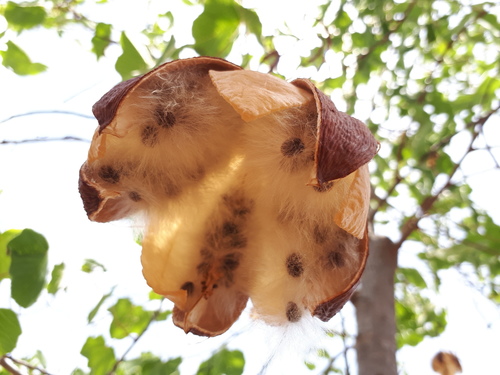
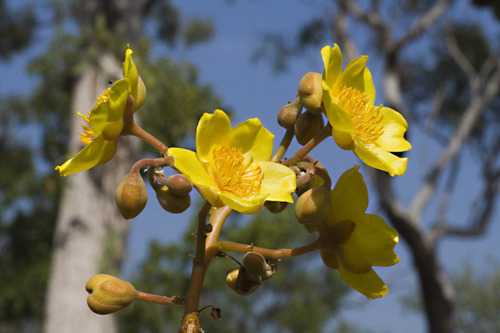
A tall shrub. It grows 3-5 m high and spreads 2-3 m wide. The young shoots are hairy. The leaves are 8-12 cm long and 10-15 cm wide. They are dark green and with 5-9 broad lobes. The flowers are 5-6 cm across and bright yellow. The fruit is a capsule 8-12 cm long and oval.
Edible Uses
The indigenous people of northern Australia would eat the flowers, either raw or cooked, and the roots of young plants. They also used to use the fluff from the seeds as body decoration. This plant is a "calendar" plant of the Jawoyn people: flowering indicates when freshwater crocodiles are laying eggs, fruiting the time for collecting them.
Distribution
It is a tropical plant. It grows on sandy banks in NW Western Australia. It can grow in hot, dry inland places. It needs a sunny position and well drained soil.
Where It Grows
Australia*,
Cultivation
Plants are grown from seed.
Notes
There are about 20 Cochlospermum species. Also put in the family Cochlospermaceae.
Synonyms
Also Known As
Kalijpa
References (3)
- Cherikoff V. & Isaacs, J., The Bush Food Handbook. How to gather, grow, process and cook Australian Wild Foods. Ti Tree Press, Australia p 198
- Elliot, W.R., & Jones, D.L., 1984, Encyclopedia of Australian Plants suitable for cultivation. Vol 3. Lothian. p 54
- Smith, N. M., 1991, Ethnobotanical Field Notes from the Northern Territory, Australia, J. Adelaide Bot. Gard. 14(1): 1-65