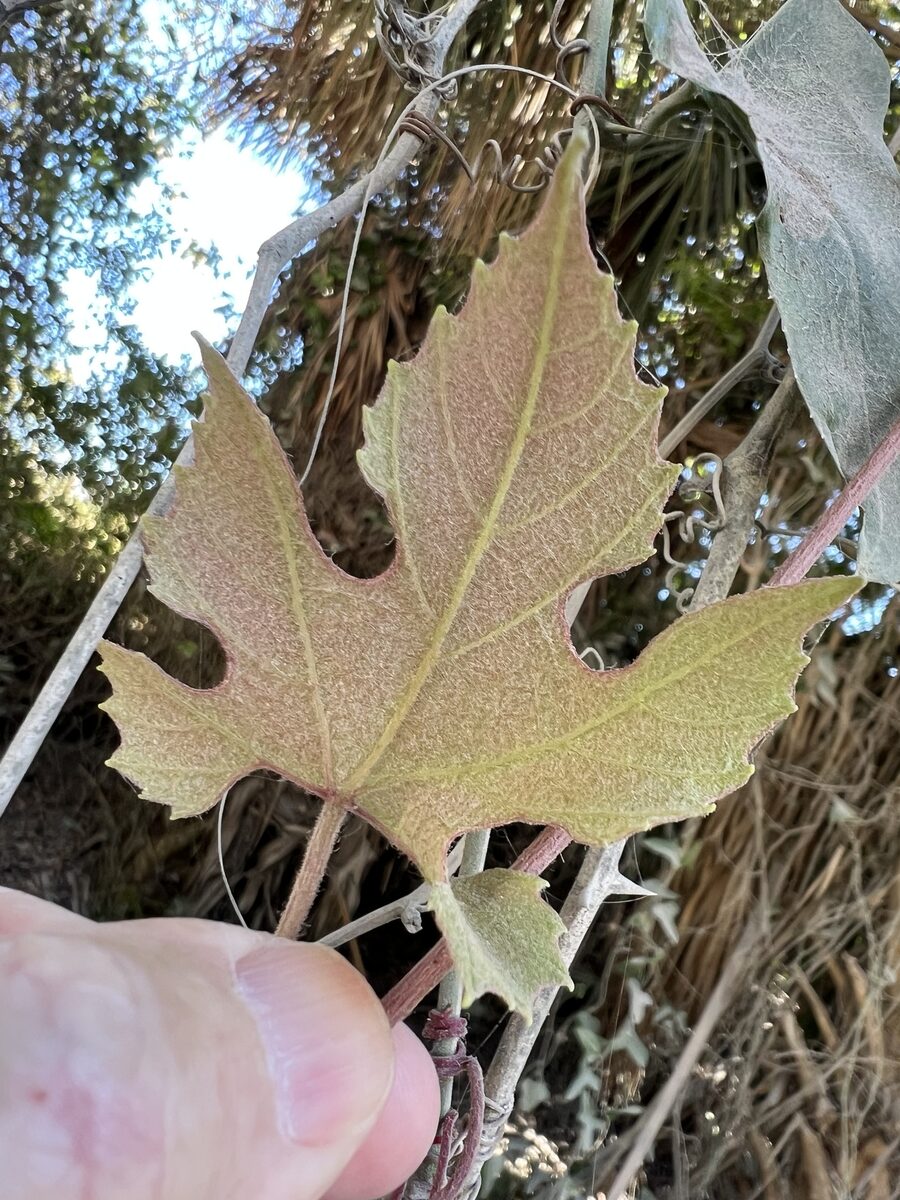
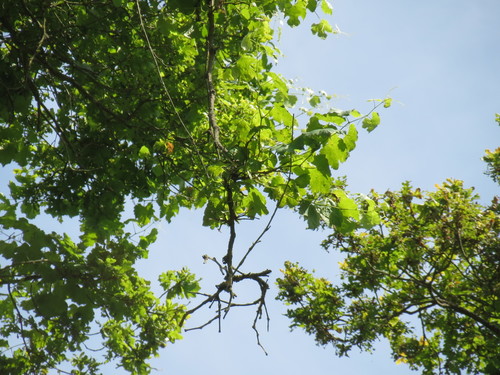
Leea aculeata
Blume ex Spreng.
Hara
iNaturalist· cc-by-nc
(c) Hannah🌿, some rights reserved (CC BY-NC), uploaded by Hannah🌿
wikimedia· cc-by-sa
Wikimedia Commons - Dinesh Valke from Thane, India
gbif· cc0
President and Fellows of Harvard College
Description
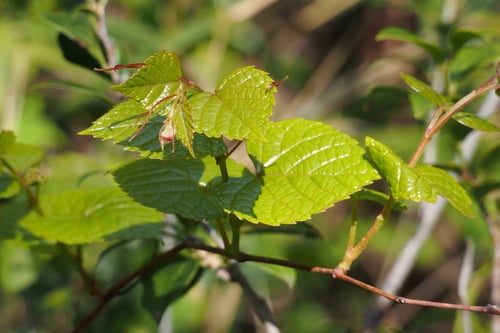
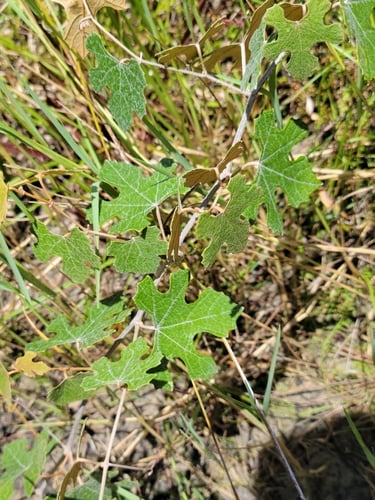
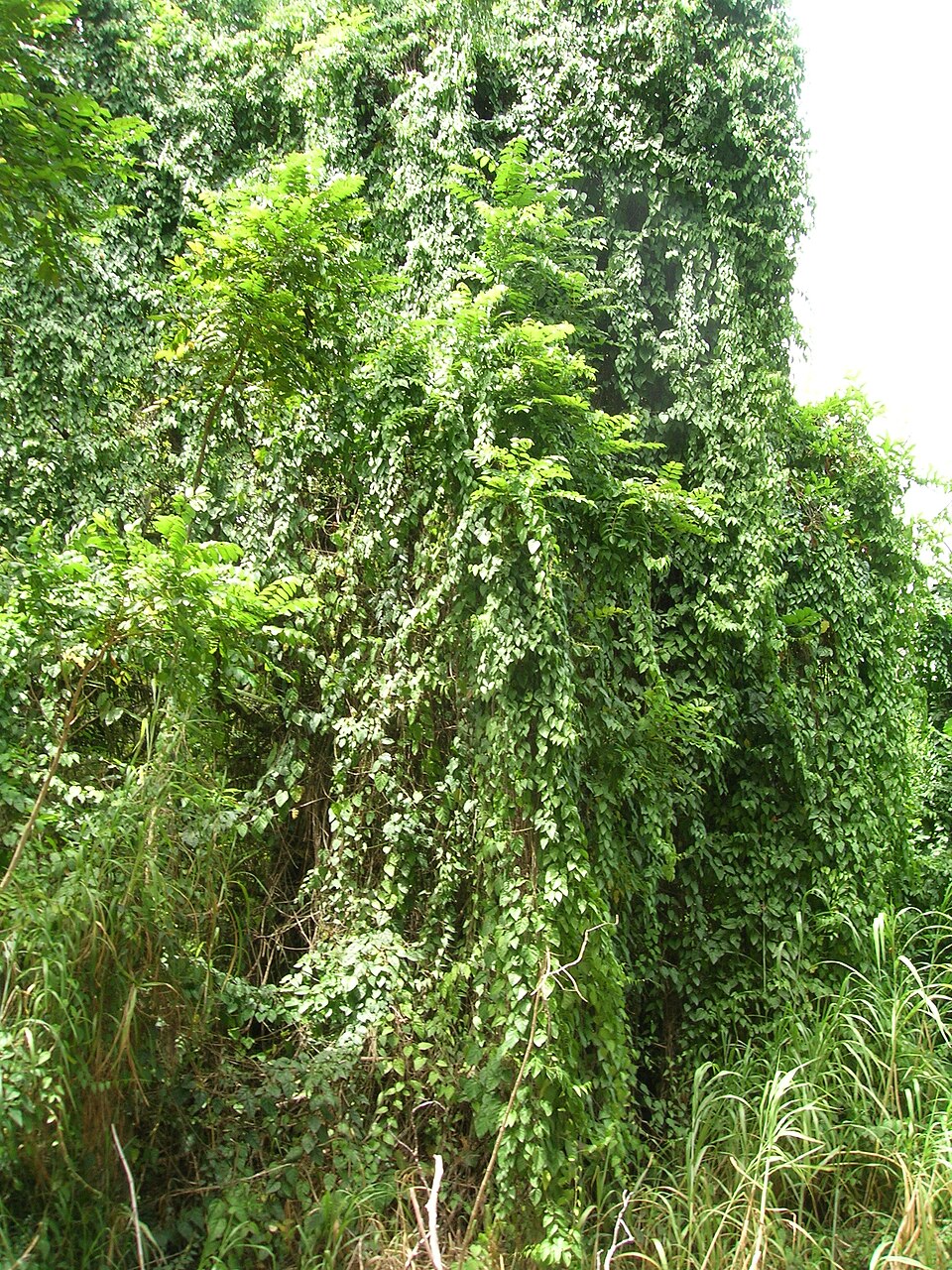
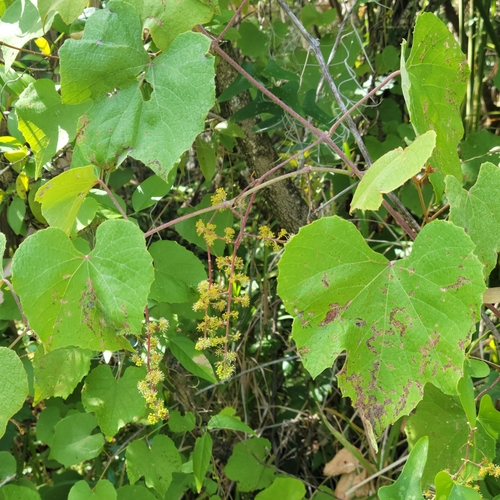
A shrub or small tree. It grows 11 m tall. The trunk can be 18 cm across. The stems are spiny. The leaves are alternate. There are teeth along the edge. The flowers are white, pink or yellow. They occur in groups. The fruit is fleshy and 13 mm across. They are red to blue or purple when ripe.
Edible Uses
Young leaves are eaten as a vegetable.
Traditional Uses
Young leaves are eaten as a vegetable.
This uses section is brief — help expand it
Medicinal Uses
The leaves are used as a blood purifier.
Distribution
It is a tropical plant. It grows along rivers and in swampy areas. It can be on limestone. It grows up to 700 m above sea level.
Where It Grows
Asia, Indonesia*, Philippines*, SE Asia,
Cultivation
Plants can be grown from seeds.
Propagation
Seed - Cuttings Air layering
Notes
Also put in the family Leeaceae.
Also Known As
Bulindunau, Lea amamali, Garadat, Mali-mali, Sipitkayin
References (2)
- Reis, S. V. and Lipp, F. L., 1982, New Plant Sources for Drugs and Foods from the New York Botanical Garden herbarium. Harvard. p 175
- Sukarya, D. G., (Ed.) 2013, 3,500 Plant Species of the Botanic Gardens of Indonesia. LIPI p 658