Ampelocissus indica
(L.) Planch
Indian wild vine
iNaturalist· cc-by-sa
(c) Dinesh Valke, some rights reserved (CC BY-SA)
iNaturalist· cc-by-sa
(c) Dinesh Valke, some rights reserved (CC BY-SA)
iNaturalist· cc-by-sa
(c) Dinesh Valke, some rights reserved (CC BY-SA)
Summary
Source: WikipediaAmpelocissus indica is a plant in the Vitoideae subfamily of the grape family native to the India and Sri Lanka.
Description
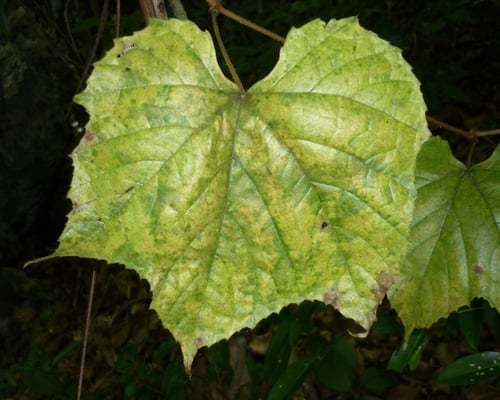
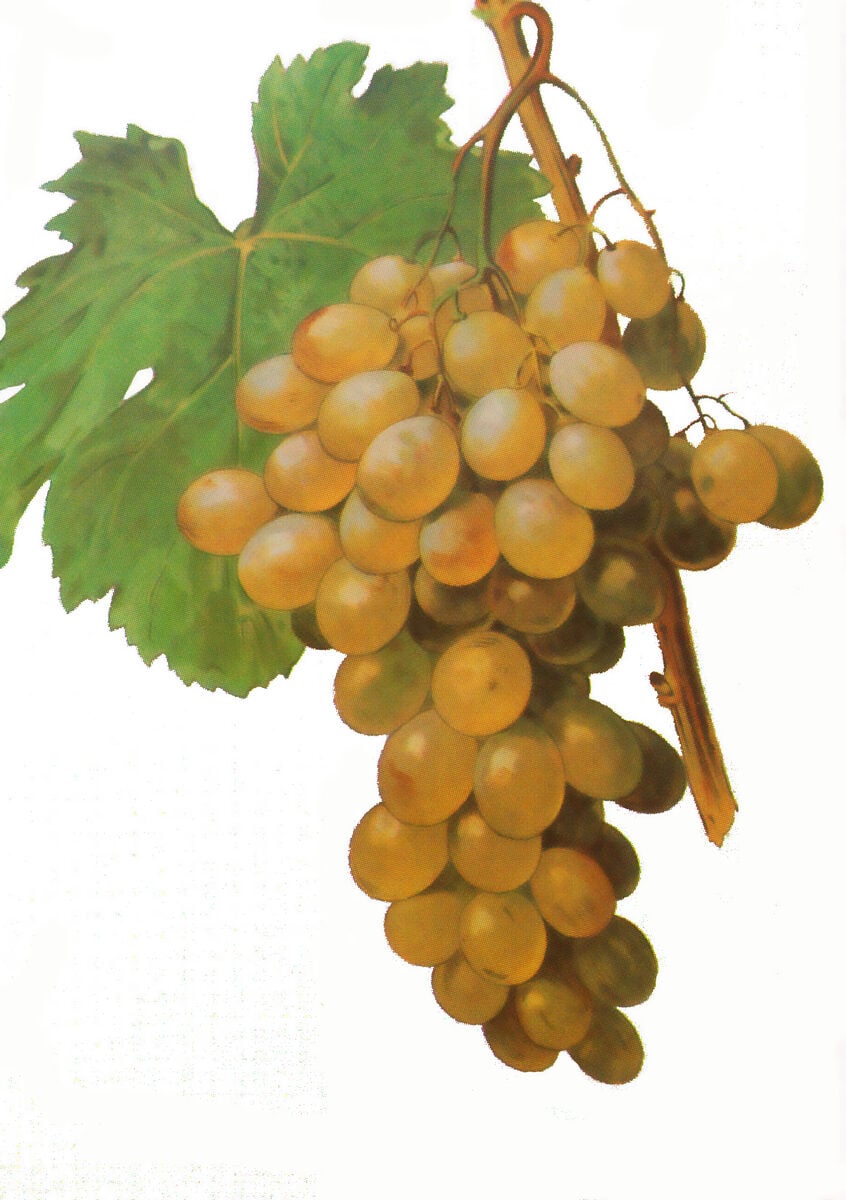
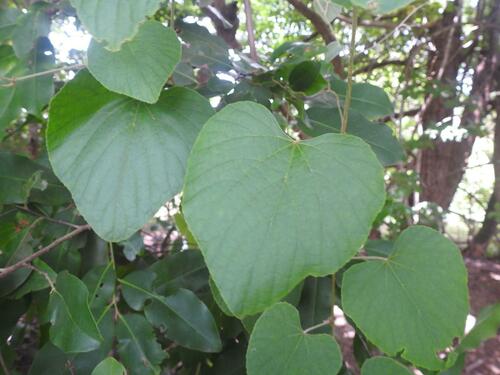
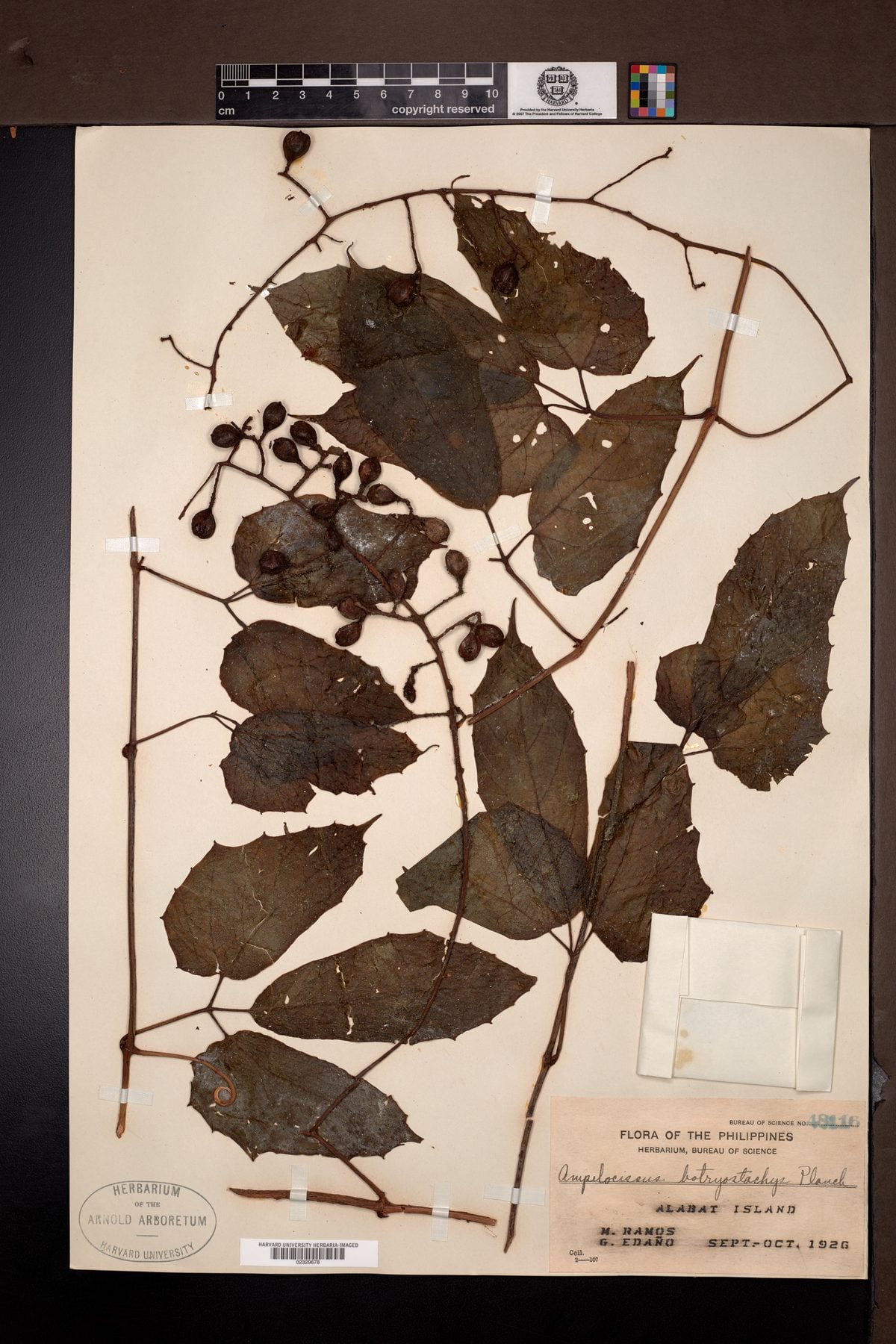
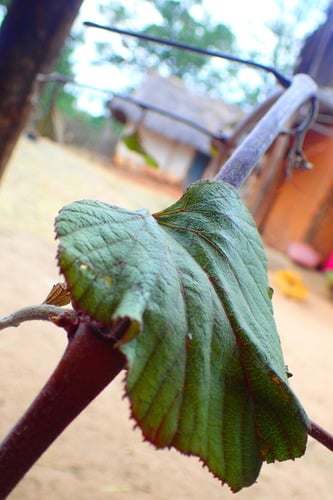
A climbing shrub. The leaves are heart shaped and have irregular teeth along the edge. The flowers have 5 petals that fall off. The fruit is a round berry. It is about 5 mm wide. There are 2-4 seeds.
Edible Uses
The root is used for curing various inflammatory skin ailments, swellings, pustules, and carbuncles.
Traditional Uses
Young fruit are used for pickles.
This uses section is brief — help expand it
Distribution
A tropical plant.
Where It Grows
Asia, India, Indonesia, Japan, Northeastern India, SE Asia,
Notes
There are about 95 Ampelocissus species.
Synonyms
Also Known As
Anoluka, Chemparavalli, Jangli angur, Kolejan, Palkande, Raudraksha, Sambaravalli, Semparavalli
References (7)
- Ambasta S.P. (Ed.), 2000, The Useful Plants of India. CSIR India. p 36
- Bircher, A. G. & Bircher, W. H., 2000, Encyclopedia of Fruit Trees and Edible Flowering Plants in Egypt and the Subtropics. AUC Press. p 24
- Fl. jap. 103. 1784 (As Vitis indica)
- Hedrick, U.P., 1919, (Ed.), Sturtevant's edible plants of the world. p 683 (As Vitis indica)
- Jose, D. T. & Sasidharan, N., 2016, Checklist of wild edible plants of Aralam Wildlife sanctuary, Kerala, India. South Indian Journal Of Biological Sciences 2016; 2(1); 141‐144
Show all 7 references Hide references
- Singh, H.B., Arora R.K.,1978, Wild edible Plants of India. Indian Council of Agricultural Research, New Delhi. p 48
- Singh, V. B., et al, (Ed.) Horticulture for Sustainable Income and Environmental Protection. Vol. 1 p 214 (As Ampelocissus arnottiana)