Cissus obovata
Vahl
iNaturalist· cc-by-nc
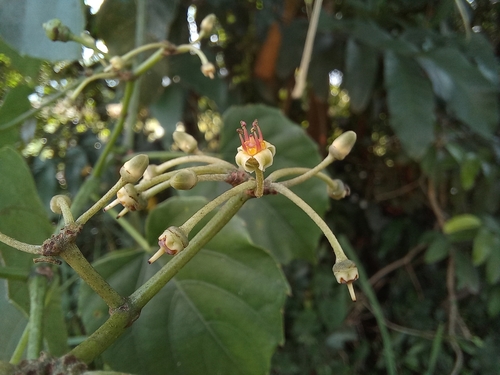
(c) Martin Reith, some rights reserved (CC BY-NC), uploaded by Martin Reith
iNaturalist· cc-by-nc
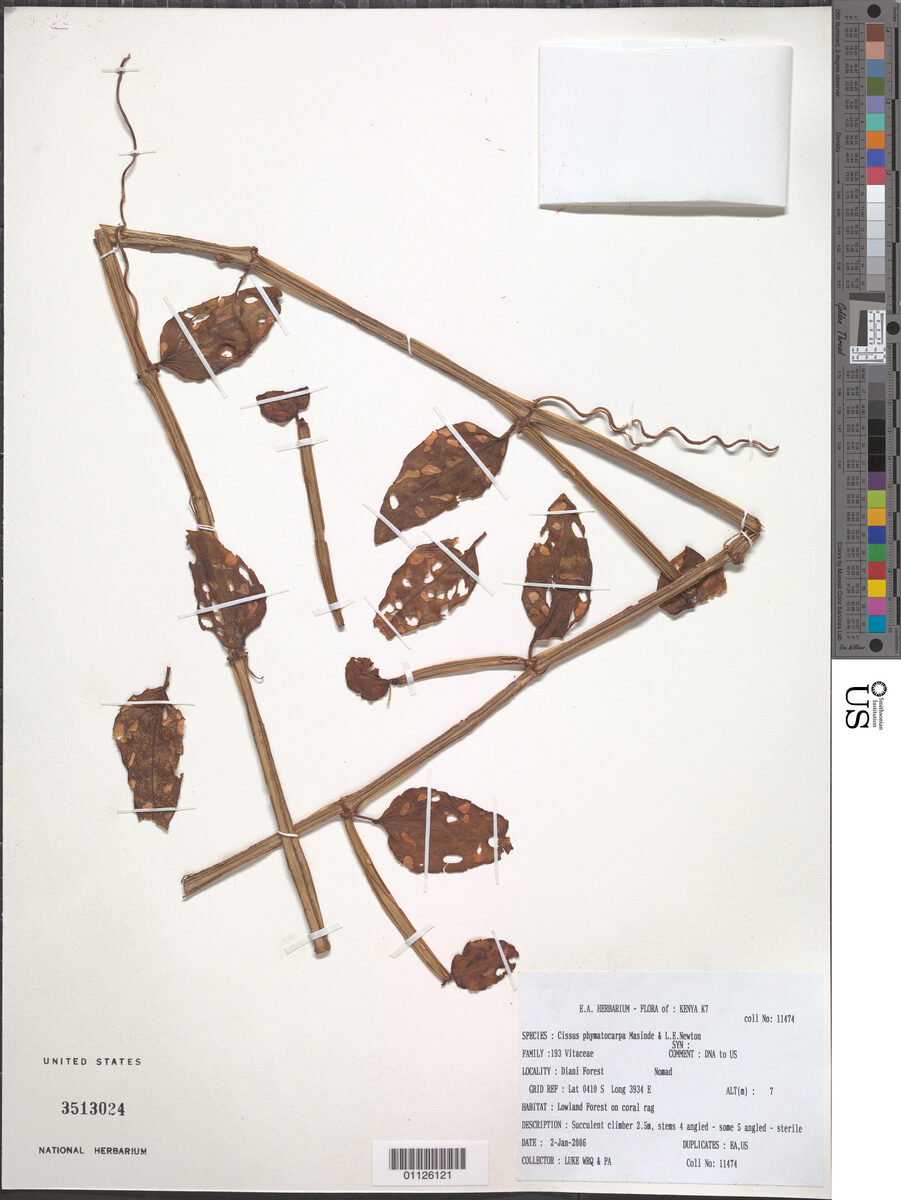
(c) Steve Maldonado Silvestrini, some rights reserved (CC BY-NC)
Description
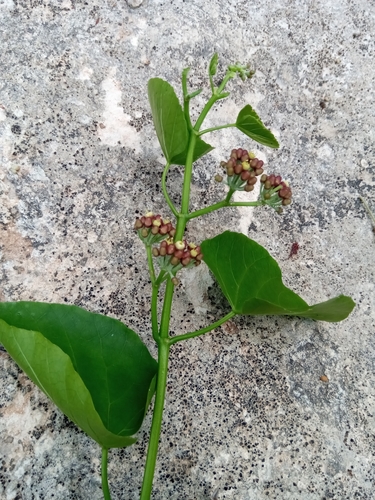
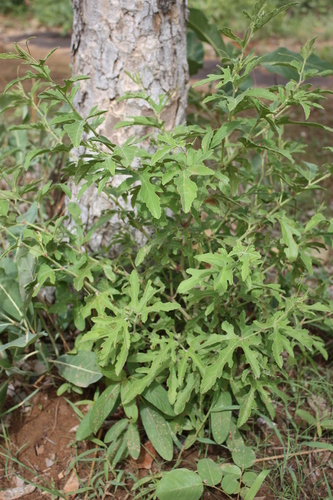
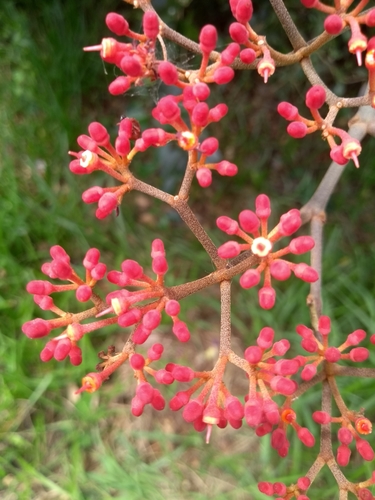
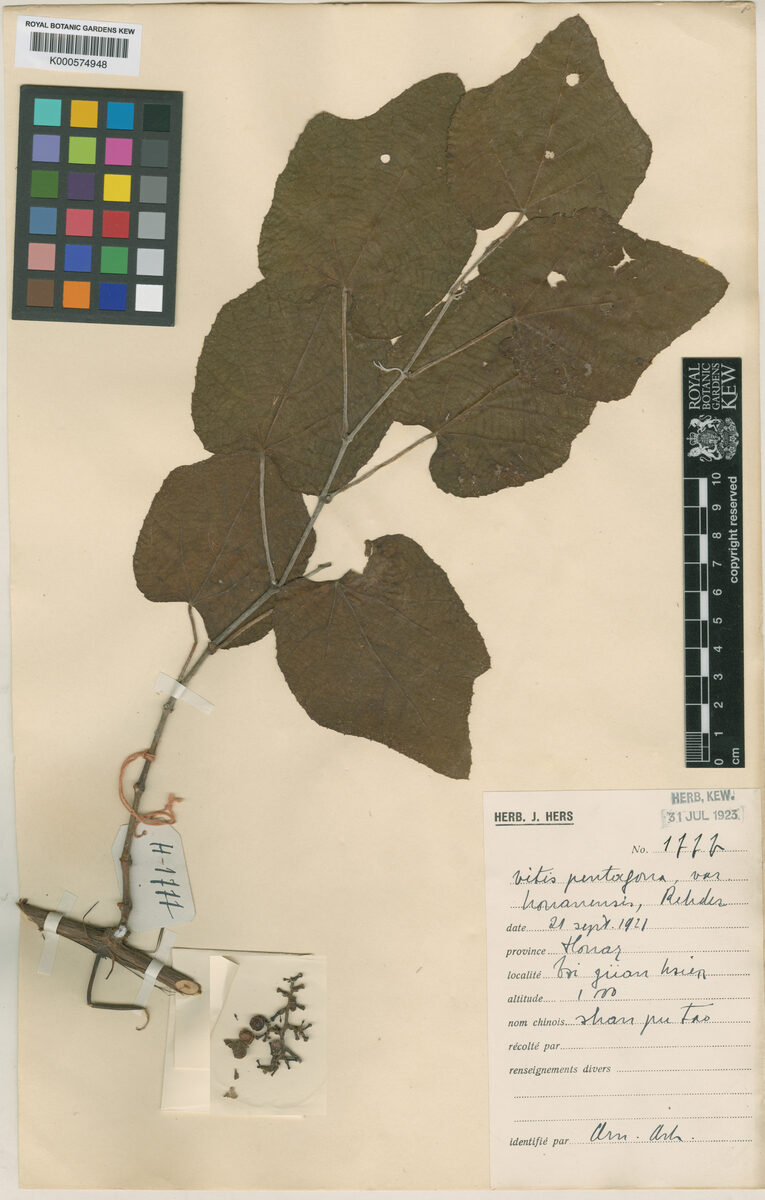
A slightly woody vine. It climbs by means of tendrils and grows 3-15 m long. The stems are branched and angular and fleshy. They are 3-8 mm across. They are flexible and swollen at the nodes. The leaves are alternate and have 3 leaflets. The leaflets are oval and 1-6 cm long by 1-4 cm wide. The leaflets are unequal in the side leaflets. The flowering shoots are opposite the leaves. The flowers are reddish. The fruit are round and 4-5 mm across. They are black or purple when ripe. There is one seed 5 mm long.
Edible Uses
The ripe fruit are eaten.
Traditional Uses
The ripe fruit are eaten.
This uses section is brief — help expand it
Distribution
It is a tropical plant.
Where It Grows
Asia, Dominican Republic, Hispaniola, India, Lesser Antilles, Northeastern India, Puerto Rico, West Indies,
Production
The plants flower in June and fruit in July.
Synonyms
Also Known As
Puar-peng
References (1)
- Kar, A., et al, 2013, Wild Edible Plant Resources used by the Mizos of Mizoram, India. Kathmandu University Journal of Science, Engineering and Technology. Vol. 9, No. 1, July, 2013, 106-126 (As Cissus obovata Lawson)