Cayratia carnosa
(Roxb.) Gagnep.
No photos yet for Cayratia carnosa
Sign in to contribute a photoDescription
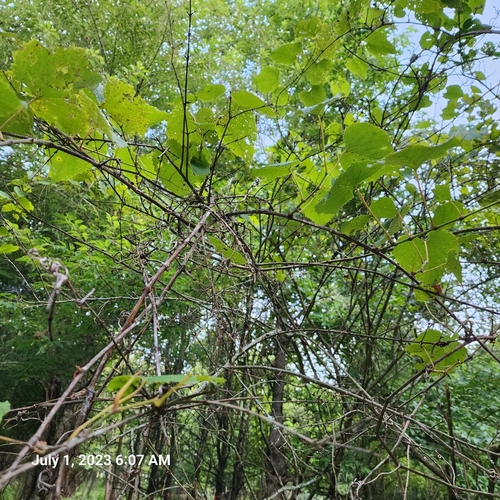
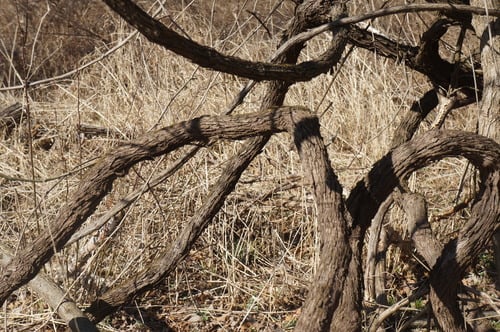
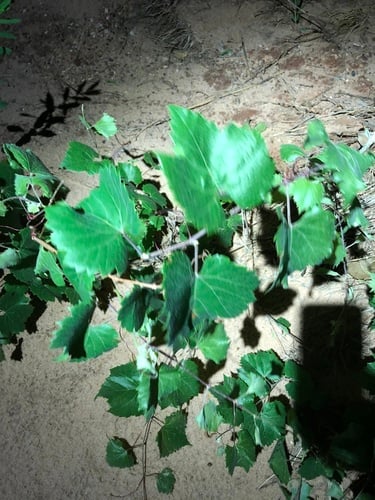
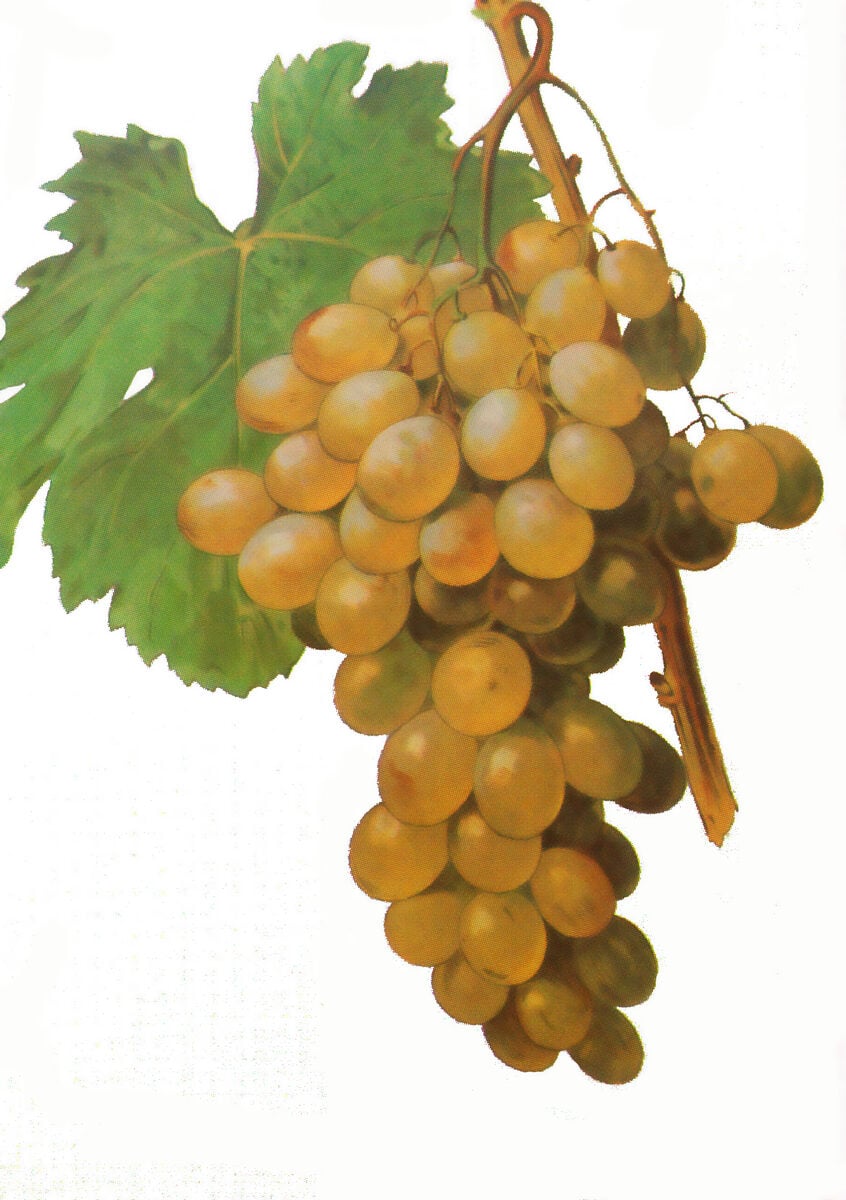
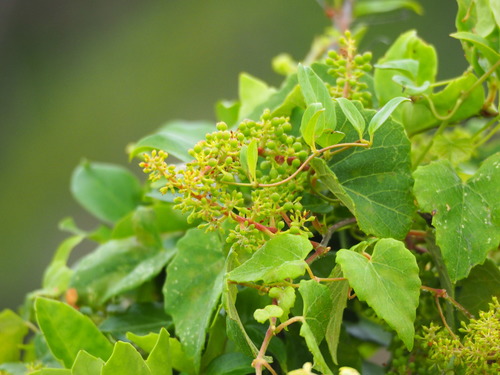
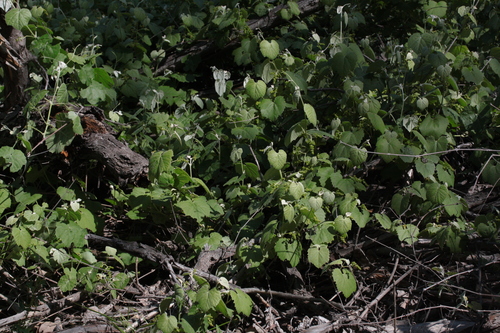
A climber. It has branched tendrils. The stems are fleshy. They become flattened with age. The leaves are fleshy and have about 3 leaflets. The leaf stalk is 2-10 cm long. The leaflets vary in shape. They can be 4-15 cm long. There are teeth or lobes along the edge. The flowers are greenish. They are 3 mm across. They are on branched stalks. The fruit is round and 8-20 mm long. They are black and have 2-4 seeds.
Edible Uses
The ripe fruit are eaten for their pleasantly acid flavor. The leaves and stems are boiled and eaten alone or served with fish.
Traditional Uses
The ripe fruit are eaten. They are pleasantly acid. The leaves and stems are eaten. They are boiled and eaten alone or with fish.
This uses section is brief — help expand it
Distribution
A tropical plant. It is often in dry deciduous forests.
Where It Grows
Asia, Himalayas, India, Northeastern India, Sikkim,
Notes
There are about 45 Cayratia species. They are mainly in tropical areas.
Synonyms
Also Known As
Amal-bel, Amal-lata, Amalbel, Amarbel, Amarlata, Ambat vel, Ambatbel, Aranyavasini, Atyamlaparni, Bundal, Cidar-druk, Dukar vel, Ghepeta-lot, Heggoli, Kamputige, Khat-Khatumbo, Khat, Khatumdu, Kurundinne, Odi, Ramchana, Sorivalli, Tamnya, Tumans
References (8)
- Ambasta S.P. (Ed.), 2000, The Useful Plants of India. CSIR India. p 112
- Kumbhojkar, M.S. & Vartak, V.D., 1988, Ethnobotanical Studies on Wild Edible Grapes from Sacred Groves in Western Maharashtra. J. Econ. Tax. Bot. Vol. 12 No. 2 pp 257-263
- Shah, G.L. et al, 1981, An account of the Ethnobotany of Saurashtra in Gujarat State (India). J. Econ. Tax. Bot. Vol 2 pp 173-182
- Singh, H.B., Arora R.K.,1978, Wild edible Plants of India. Indian Council of Agricultural Research, New Delhi. p 21
- Sundriyal, M., et al, 1998, Wild edibles and other useful plants from the Sikkim Himalaya, India. Oecologia Montana 7:43-54
Show all 8 references Hide references
- Sundriyal, M., et al, 2004, Dietary Use of Wild Plant Resources in the Sikkim Himalaya, India. Economic Botany 58(4) pp 626-638
- Vartak, V.D. and Kulkarni, D.K., 1987, Monsoon wild leafy vegetables from hilly regions of Pune and neighbouring districts, Maharashtra state. J. Econ. Tax. Bot. Vol. 11 No. 2 pp 331-335
- Wild edible plants of Himachal Pradesh