Inga cocleensis
Pittier
Cocle inga
iNaturalist· cc-by-nc
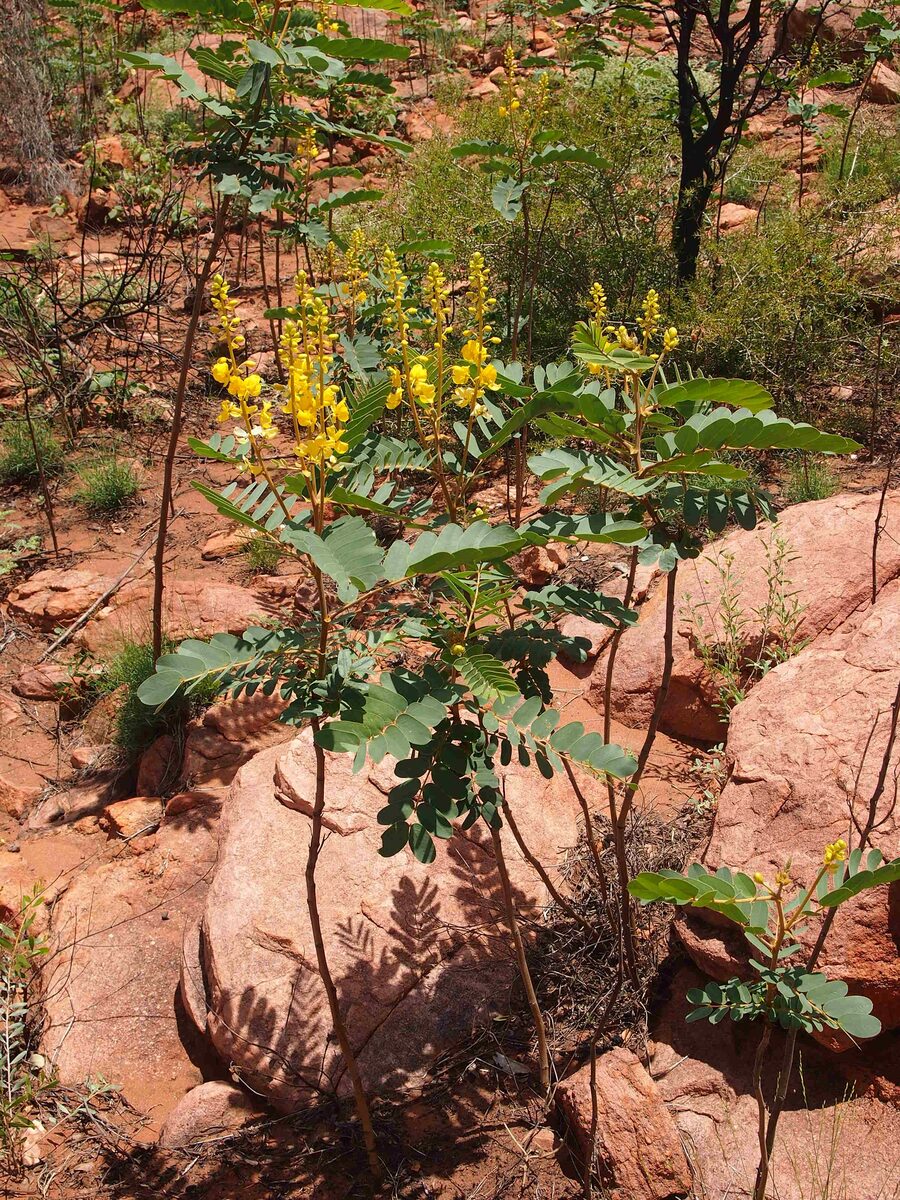
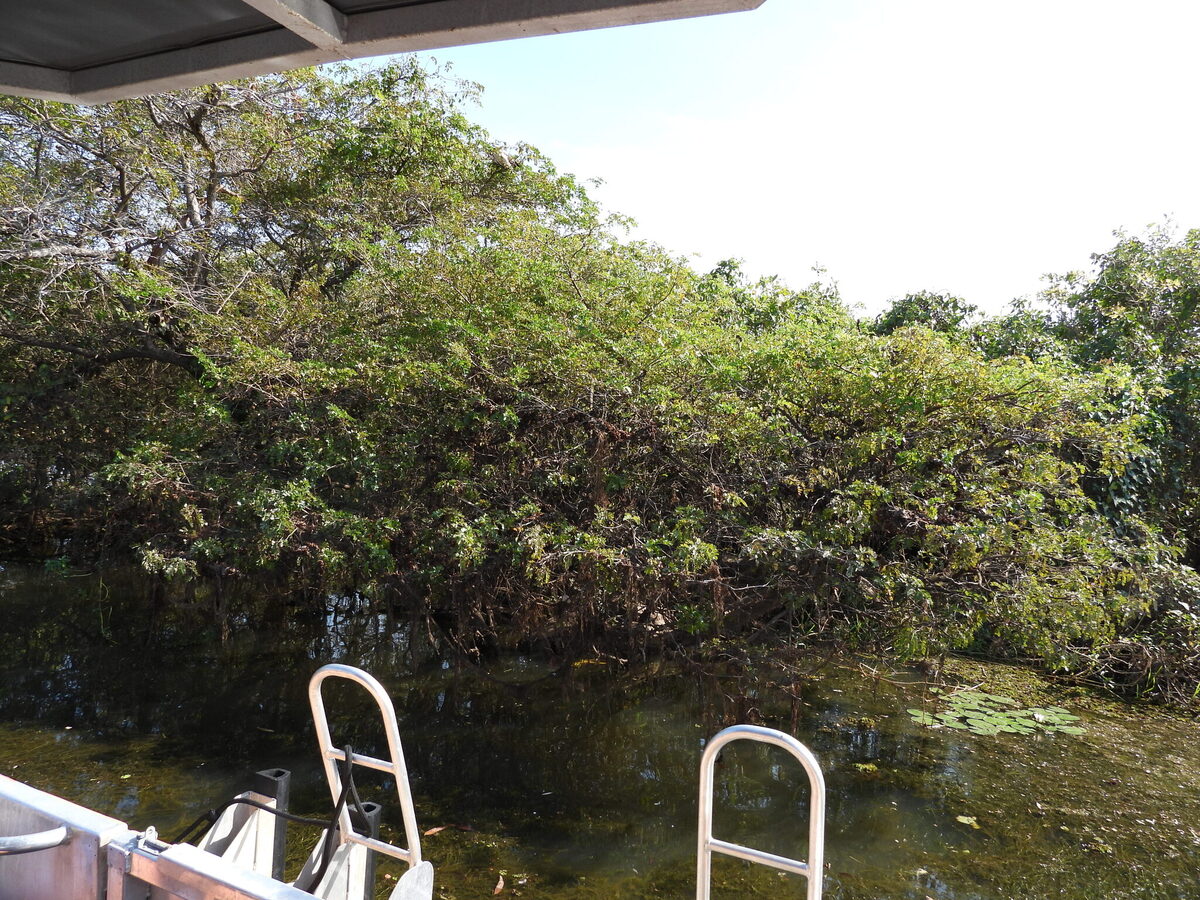
(c) Jan Meerman, some rights reserved (CC BY-NC), uploaded by Jan Meerman
iNaturalist· cc-by
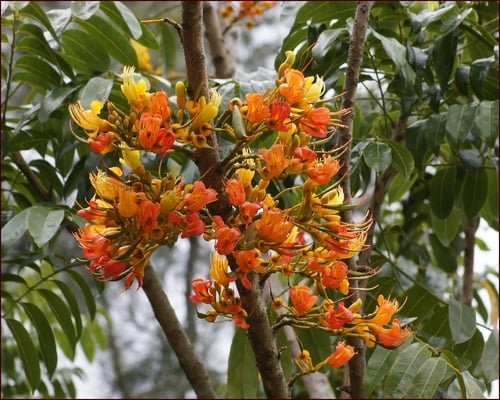
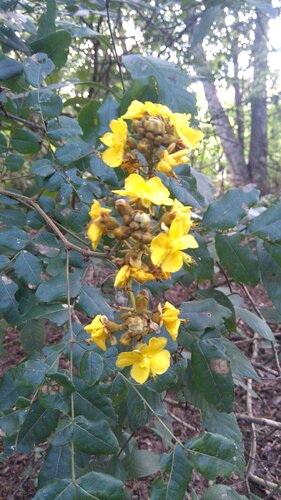
(c) keesgroenendijk, some rights reserved (CC BY)
gbif· cc-by-sa
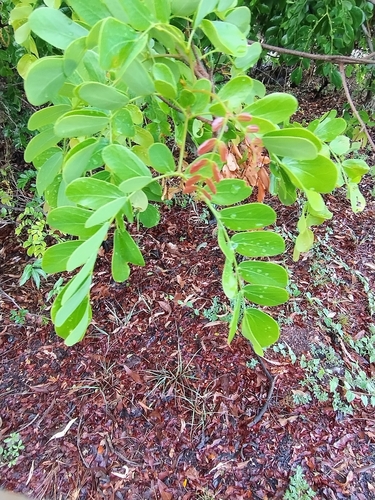
GBIF
Description
A tropical tree in the legume family (Fabaceae) with long seed pods as fruit. Seeds germinate readily in 1-2 weeks given moisture and shade, making it easy to cultivate from seed.
Edible Uses
Although we have no specific information for this species, many members of this genus produce a sweet-tasting edible pulp around the seeds. The seedpods are up to 35cm long and 2.5cm in diameter.
Distribution
It is a tropical plant.
Where It Grows
Andes, Belize, Bolivia, Central America, Colombia, Costa Rica, Ecuador, Guatemala, Honduras, Mexico, Nicaragua, Panama, South America, Venezuela,
Cultivation
Plants grow easily from seeds. Seeds germinate in 1-2 weeks given moisture and shade.
Other Uses
The wood of Inga species is generally attractive, but it has a coarse texture, is susceptible to attack by dry-wood termites and is not durable in the soil. The wood is used for fuel. The tree is used to provide shade in coffee plantations in Honduras. Inga species generally have a number of factors that make them popular for use as shade trees in coffee and cacao plantations:- they grow quickly and so soon make an effecte shade; they respond well to drastic pruning and so are easy to keep within the required size and shade levels; they promote and maintain soil fertility; they are effective soil stabilizers. With its fast rate of growth and ability to fix atmospheric nitrogen, the tree can be used as a pioneer species when re-establishing woodland.
Notes
Also as Mimosaceae.
Synonyms
Also Known As
Butul, Churima, Cuje, Dil, Guama, Nacaspiro
References (5)
- Garcia-Serrano, C. R., & Del Monte, J. P., 2004, The Use of Tropical Forest (Agroecosystems and wild Plant harvesting) as a Source of Food in the Bribri and Cabecar Cultures in the Caribbean Coast of Costa Rica. Economic Botany 58(1) pp 58-71
- Grandtner, M. M. & Chevrette, J., 2013, Dictionary of Trees, Volume 2: South America: Nomenclature, Taxonomy and Ecology. Academic Press p 320
- Kew Plants of the World On line
- Lopez-Diago, D. & Garcia, N., 2021, Wild edible fruits of Colombia. Biota ColomBiana 22 (2) p 37
- Roa, J. A. G. & Boada, D. S. G., 2018, Fundación para el Fortalecimiento de la Fruticultura y Plantas Alimenticias no Convencionales en Colombia.