Albizia anthelmintica
(A. Rich.) Brongn.
Worm-cure albizia
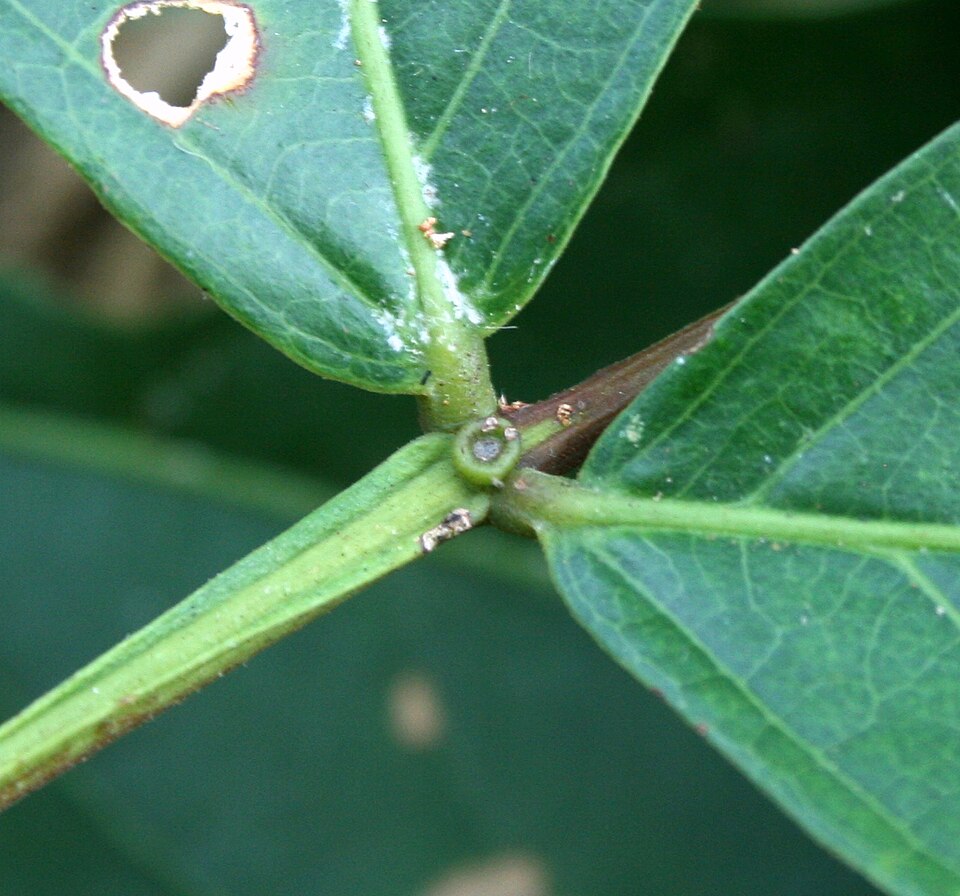
iNaturalist· cc-by-nc
(c) Riana Fourie, some rights reserved (CC BY-NC), uploaded by Riana Fourie
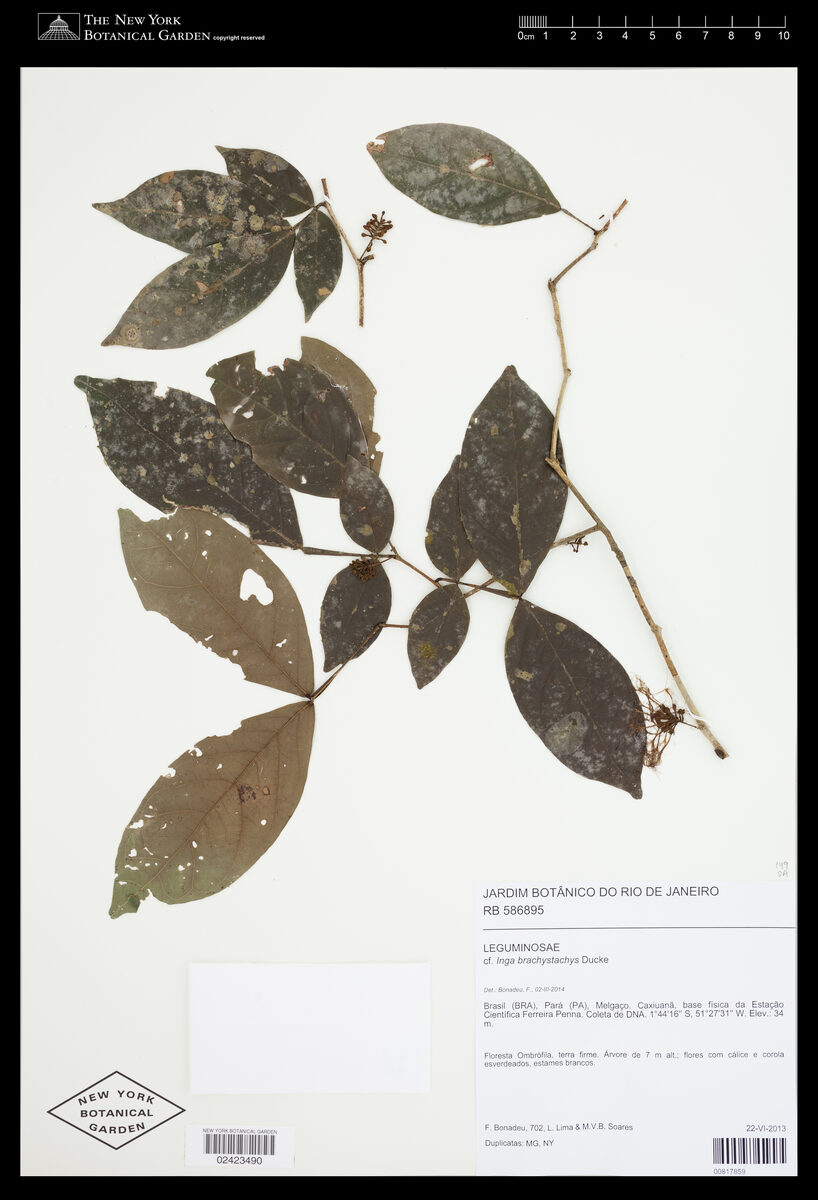
iNaturalist· cc-by
(c) Wynand Uys, some rights reserved (CC BY), uploaded by Wynand Uys
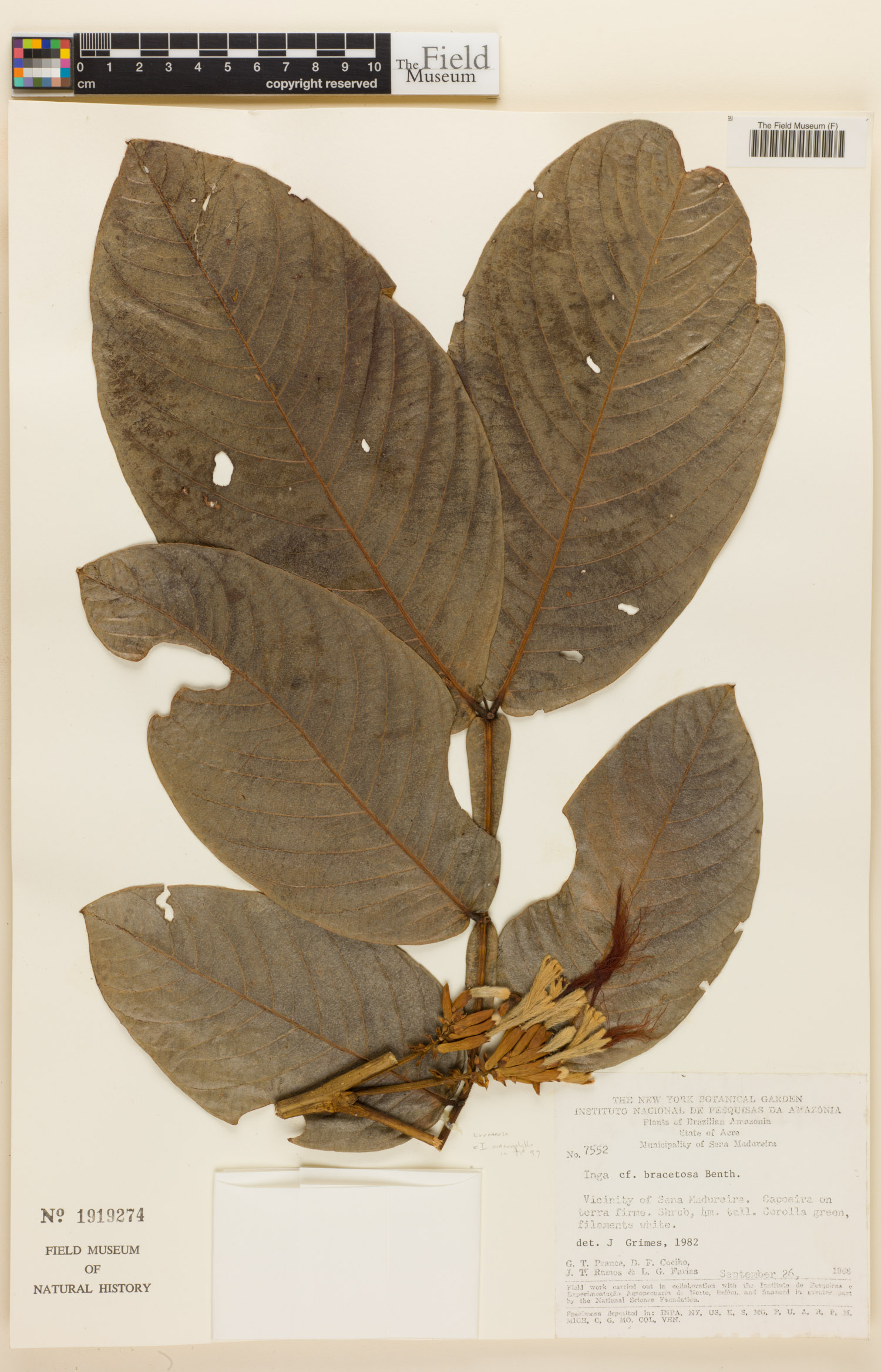
iNaturalist· cc-by-nc
(c) Judy Flatt, some rights reserved (CC BY-NC), uploaded by Judy Flatt
Description
A shrub or tree. It grows 2-9 m high. The bark is smooth and grey. The young branches are smooth but can sometimes have a few soft hairs. There is usually a bent hook ate the end of most leaves. The leaves are compound. There are 1-4 pairs of leaflets along 1 or 2 leaflet stalks. The leaflets are 1-4 cm long by 1-3 cm wide. The flowers are usually on leafless twigs. They are green. The fruit are pods 7-18 cm long by 1-3 cm wide. They are straw coloured when mature. The seeds are about 1 cm across and round and flattened.
Edible Uses
The roots are added to meat and milk-based soups. The bark is used to curdle milk. The leaves are eaten as a vegetable, and a gum is also edible.
Traditional Uses
The roots are added to meat and milk based soups. The bark is used to curdle milk.
This uses section is brief — help expand it
Medicinal Uses
The plant is used in traditional medicine.
Distribution
It is a tropical plant. It grows in drier types of woodland. It can grow up to 1,000 m altitude. It can grow in arid places.
Where It Grows
Africa, Angola, Botswana, Central Africa, East Africa, Eritrea, Eswatini, Ethiopia, Kenya, Malawi, Mozambique, Namibia, Somalia, South Africa, Southern Africa, Sudan, Swaziland, Tanzania, Uganda, Zambia, Zimbabwe,
Cultivation
A plant of semi-arid areas of Africa, it is found growing at an elevation of 400 - 1,500 metres. It succeeds in areas with a mean annual temperature up to 40°c and a mean annual rainfall in the range 400 - 1,000mm. Prefers clayey soils but is also known to perform well in deep, loose red sand soils. Requires a sunny position. The tree is susceptible to wind damage but can withstand frost and drought. The species is becoming rare in the wild due to over-utilisation. This species has a symbiotic relationship with certain soil bacteria, these bacteria form nodules on the roots and fix atmospheric nitrogen. Some of this nitrogen is utilized by the growing plant but some can also be used by other plants growing nearby.
Propagation
Seed - requires no pre-treatment and can be planted directly into pots at a rate of two seeds per pot. Germination occurs 3 - 4 days after planting with a success rate of up to 90%. This moderately fast growing tree with strong light requirements can be sown directly in sunlight. With this method seedlings for transplanting are ready in 60 days.
Other Uses
Tri- and tetra-saccharides from the plant, having triterpene prosthetic groups, possess potent molluscicidal activity. The bark is rich in saponins. It is used to coagulate milks. The twigs are used as toothbrushes for oral hygiene. The heartwood is an attractive, light red-brown colour. The wood used for poles, posts, furniture, implement handles, spoons, carvings and turnery. This tree is known to root deeply and has an important role in soil protection. A deep rooting plant, it has good intercropping potential.
Notes
Also as Mimosaceae. It is used in medicine.
Synonyms
Also Known As
Balauta, Dzangua, Kyalundathi, Kyowa kisamba, Mesanga, Monoga, Munanzwa, Mwowa, Reydab, Xabasho
References (17)
- Flora Zambesiaca. http://apps.kew.org/efloras
- Fowler, D. G., 2007, Zambian Plants: Their Vernacular Names and Uses. Kew. p 34
- Grivetti, L. E., 1980, Agricultural development: present and potential role of edible wild plants. Part 2: Sub-Saharan Africa, Report to the Department of State Agency for International Development. p 70
- http://aflora.africa.kyoto-u.ac.jp
- Molla, A., Ethiopian Plant Names. http://www.ethiopic.com/aplants.htm
Show all 17 references Hide references
- Mutie, F. G., 2020, Conservation of Wild Food Plants and Their Potential for Combatting Food Insecurity in Kenya as Exemplified by the Drylands of Kitui County. Plants 2020, 9, 1017
- Mutie, F. M., et al, 2023, Important Medicinal and Food Taxa (Orders and Families) in Kenya, Based on Three Quantitative Approaches. Plants 2023, 12, 1145
- Peters, C. R., O'Brien, E. M., and Drummond, R.B., 1992, Edible Wild plants of Sub-saharan Africa. Kew. p 128
- Roodt, V., 1998, Trees & Shrubs of the Okavango Delta. Medicinal Uses and Nutritional value. The Shell Field Guide Series: Part 1. Shell Botswana. p 195
- Royal Botanic Gardens, Kew (1999). Survey of Economic Plants for Arid and Semi-Arid Lands (SEPASAL) database. Published on the Internet; http://www.rbgkew.org.uk/ceb/sepasal/internet [Accessed 27th April 2011]
- Ruiters-Welcome, A. K., 2019, Food plants of southern Africa. Ph.D. thesis. Univ. of Johannesburg p 55
- Scudder, 1962, 1971,
- van Wyk, Ben-Erik, 2019, The diversity and multiple uses of southern African legumes. Australian Systematic Botany, 2019, 32, 519–546
- Welcome, A. K. & Van Wyk, B.-E., 2019, An inventory and analysis of the food plants of southern Africa. South African Journal of Botany 122 (2019) 136–179
- World Checklist of Useful Plant Species 2020. Royal Botanic Gardens, Kew
- www.worldagroforestrycentre.org/treedb/
- www.zimbabweflora.co.zw 2011