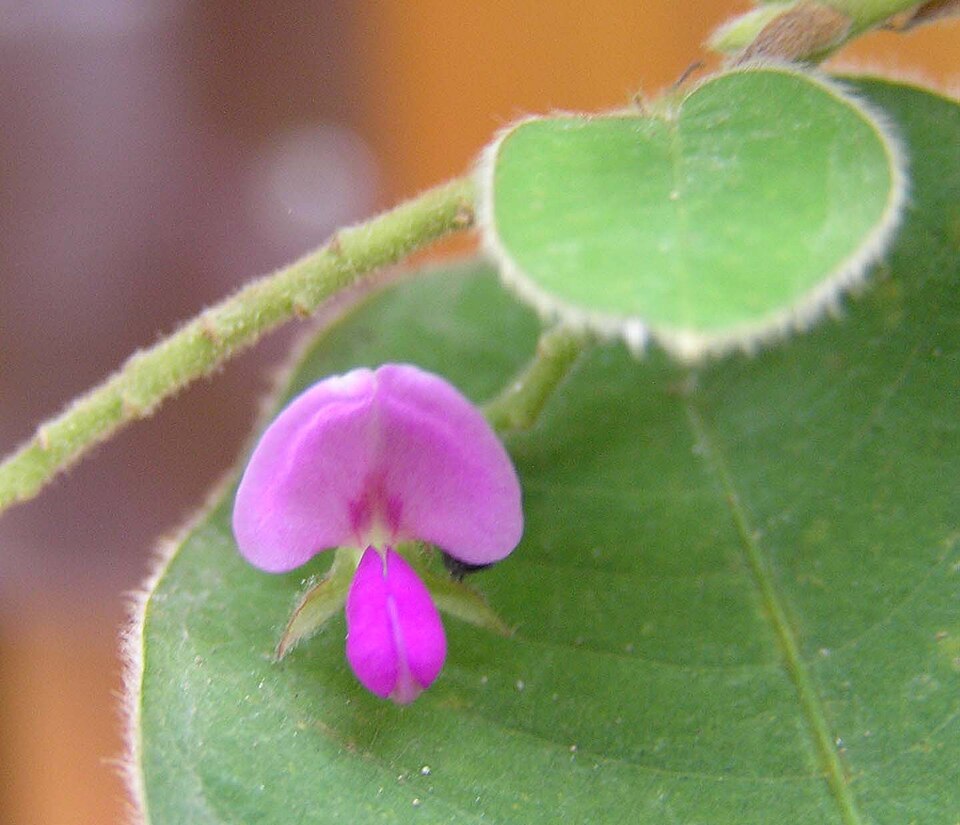
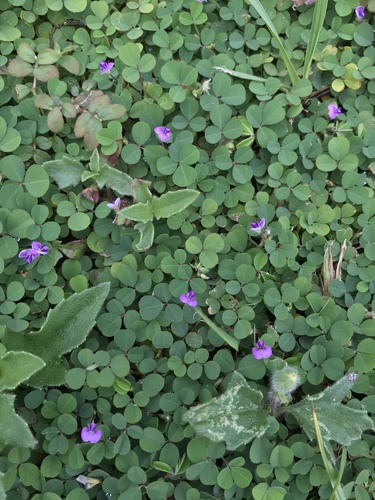
Albizia chevalieri
Harms
iNaturalist· cc-by-nc-sa
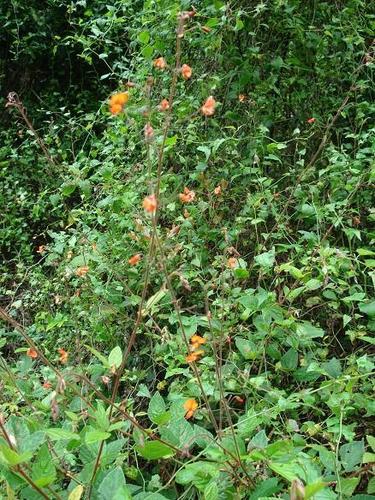
(c) Marco Schmidt, some rights reserved (CC BY-NC-SA)
iNaturalist· cc-by-nc-sa
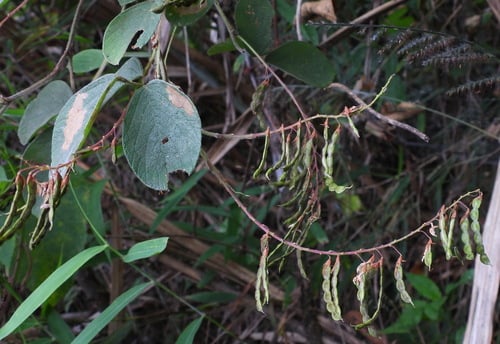
(c) Marco Schmidt, some rights reserved (CC BY-NC-SA)
iNaturalist· cc-by-nc
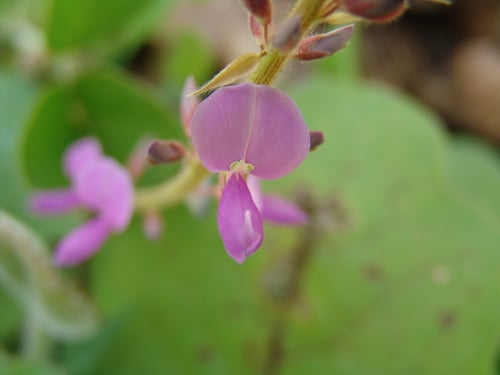
(c) u_hassan, some rights reserved (CC BY-NC)
Summary
Source: WikipediaAlbizia chevalieri is a shrub or small tree within the family Fabaceae. It is native to West Africa and parts of Central Africa and is found in drier parts of the savanna.
Description
A shrub or small tree. It grows to about 6 m tall. The crown is umbrella shaped. The bark is grey and corky. The branches are softly hairy. The leaves have 8-12 pairs of pinnae each with 20-40 pairs of leaflets. The leaflets are 1 cm long. The flowers are in round heads and on stalks 5 cm long. The pods are 10-15 cm long and 2-3 cm wide. There are 7-10 seeds.
Edible Uses
The young shoots are cooked and eaten as a vegetable.
Traditional Uses
The young shoots are cooked and eaten.
This uses section is brief — help expand it
Distribution
A tropical plant. It grows in the Sahel. It needs slightly moist sites and sandy soils. It grows in areas with an annual rainfall between 500-1,200 mm. It can grow in arid places.
Where It Grows
Africa, Benin, Burkina Faso, Cameroon, Central Africa, Chad, Côte d'Ivoire, Ghana, Ivory Coast, Mali, Niger, Nigeria, Sahel, Senegal, Sudan, West Africa,
Cultivation
A plant of the semi-arid tropics, where it is found at elevations up to 1,000 metres. It grows best in areas where annual daytime temperatures are within the range 24 - 30°c, but can tolerate 18 - 35°c. It prefers a mean annual rainfall in the range 600 - 900mm, but tolerates 500 - 1,000mm. Requires a sunny position. Prefers a well-drained, light soil of moderate fertility. Prefers a pH in the range 5.5 - 6.5, tolerating 4.5 - 7.5. This species has a symbiotic relationship with certain soil bacteria, these bacteria form nodules on the roots and fix atmospheric nitrogen. Some of this nitrogen is utilized by the growing plant but some can also be used by other plants growing nearby.
Propagation
Seed - it has a hard seedcoat and may benefit from scarification before sowing to speed up germination. This can usually be done by pouring a small amount of nearly boiling water on the seeds (being careful not to cook them!) and then soaking them for 12 - 24 hours in warm water. By this time they should have imbibed moisture and swollen - if they have not, then carefully make a nick in the seedcoat (being careful not to damage the embryo) and soak for a further 12 hours before sowing.
Other Uses
The bark is a source of tannins. The fine roots are used as threads to repair calabashes. The pale-yellow coloured wood is of medium density. It is used for making furniture, occasionally for construction.
Notes
There are 145-150 Albizia species. They grow in the tropics and subtropics. Also as Mimosaceae.
References (7)
- Abbiw, D.K., 1990, Useful Plants of Ghana. West African uses of wild and cultivated plants. Intermediate Technology Publications and the Royal Botanic Gardens, Kew. p 41
- Bonou, A., et al, 2013, Valeur economique des Produits Forestiers Non Ligneux (PFNL) au Benin. Editions Universitaires Europeennes p 85
- Bot. Jahrb. Syst. 40:15. 1907
- Jardin, C., 1970, List of Foods Used In Africa, FAO Nutrition Information Document Series No 2.p 52
- Martin, F.W. & Ruberte, R.M., 1979, Edible Leaves of the Tropics. Antillian College Press, Mayaguez, Puerto Rico. p 197
Show all 7 references Hide references
- Maydell, H. von, 1990 Trees and shrubs of the Sahel: their characteristics and uses. Margraf. p 157
- Royal Botanic Gardens, Kew (1999). Survey of Economic Plants for Arid and Semi-Arid Lands (SEPASAL) database. Published on the Internet; http://www.rbgkew.org.uk/ceb/sepasal/internet [Accessed 27th April 2011]