Solanum pseudoquina
A. St.-Hil.
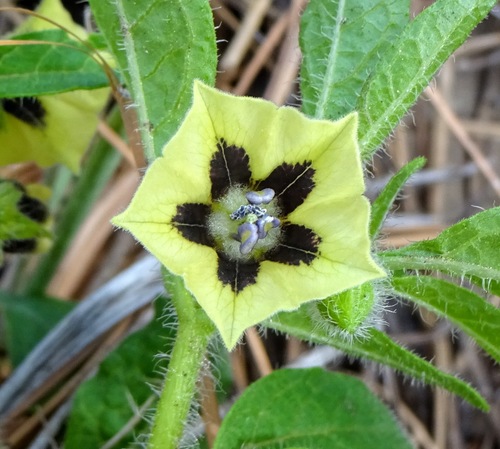
iNaturalist· cc-by-nc-nd
(c) Marcelo Leandro Brotto, some rights reserved (CC BY-NC-ND), uploaded by Marcelo Leandro Brotto
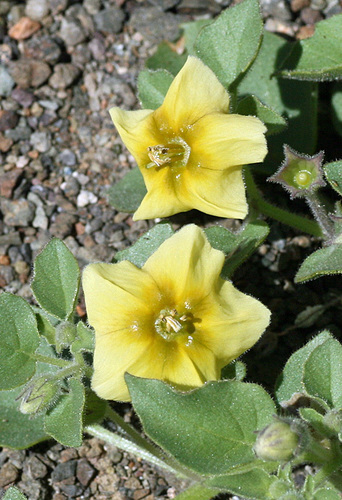
iNaturalist· cc-by
(c) Fabrício Mil Homens Riella, some rights reserved (CC BY), uploaded by Fabrício Mil Homens Riella
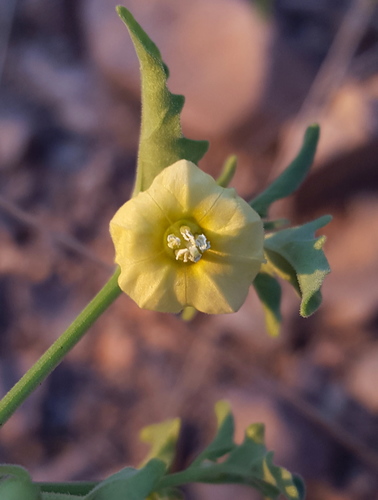
iNaturalist· cc-by-nc-nd
(c) Marcelo Leandro Brotto, some rights reserved (CC BY-NC-ND), uploaded by Marcelo Leandro Brotto
Summary
Source: WikipediaSolanum pseudoquina is a species of plant in the family Solanaceae. It is endemic to Brazil. A rare plant, it is dependent on conservation of its habitat to prevent it from becoming a threatened species. S. inaequale as described by da Conceição Vellozo is an invalid name for this plant that is sometimes still seen. Altogether, the following synonyms are assigned to this species: Cyphomandra flagrans (Ten.) Walp. Pionandra flagrans (Ten.) Miers Solanum flagrans Ten. Solanum inaequale Vell. (nonHornem.: preoccupied) S. inaequale Hornem. is S. lanceolatum Cav.. S. inaequale C.Presl is S. lanceifolium Jacq.. Solanum leiophyllum Dunal (non Benth.: preoccupied) Solanum pseudochina Spreng. Solanum ramosissimum Dunal Solanum undatifolium Dunal
Description
A shrub or small tree. It loses many leaves during the year. It grows 2-10 m tall. The crown is round. The trunk is 20-30 cm across. The fruit are round and yellowish-brown and 15 mm across.
Edible Uses
Fruit - raw. A sweetish and succulent pulp. The yellowish-brown, globose fruit is around 15mm in diameter.
Traditional Uses
The fruit are eaten raw.
This uses section is brief — help expand it
Medicinal Uses
The bark is astringent, contains a bitter principal and is used as a febrifuge. Considered to be an effective treatment of intermittent diseases such as malaria, and widely used within its native range. Solanum-type alkaloids have been isolated from the plant, one of them with convulsive action.
Known Hazards
Although providing many well-known foods for people, including the potato, tomato, pepper and aubergine, most species in this genus also contain toxic alkaloids. Whilst these alkaloids can make the plant useful in treaing a range of medical conditions, they can also cause problems such as nausea, vomiting, salivation, drowsiness, abdominal pain, diarrhoea, weakness and respiratory depression. Unless there are specific entries with information on edible uses, it would be unwise to ingest any part of this plant.
Distribution
It is a tropical plant. It is in open forest. It is best in fertile, well-drained soils. It needs a sunny position. Once established it can tolerate drought. In Argentina it grows from sea level to 1,000 m above sea level.
Where It Grows
Argentina, Brazil, Paraguay, South America*,
Cultivation
Requires a sunny position. Prefers a moist, fertile, well-drained soil that can be on the heavy side. Established plants are drought tolerant. The plant self-sows freely and can invade pasture land and roadsides. A fast growing plant, able to reach a height of 3 metres or more within 2 years from seed. The flowers are very aromatic.
Propagation
Seed - best sown as soon as it is ripe in a sunny position in a nursery seedbed. A high germination rate can usually be expected, with the seed sprouting within 4 - 8 days.
Other Uses
The wood is medium-textured, cross-grained, moderately heavy, with poor mechanical properties and very subject to rot. It is only used for low value items such as boxes, pencils, toothpicks etc. The wood is used for fuel, though it is of low quality. A fast-growing tree that readily invades open land, it is an excellent species for use in reforestation projects to restore native woodland, and can also be used when establishing a woodland garden. It should only be used within its native range, however, because of its ability to invade open areas.
Production
It is fast growing.