Nicotiana rustica
L.
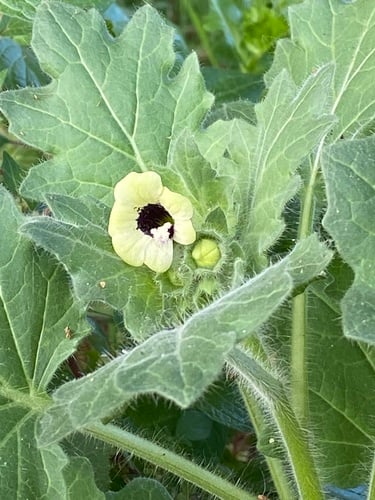
iNaturalist· cc-by-nc-sa
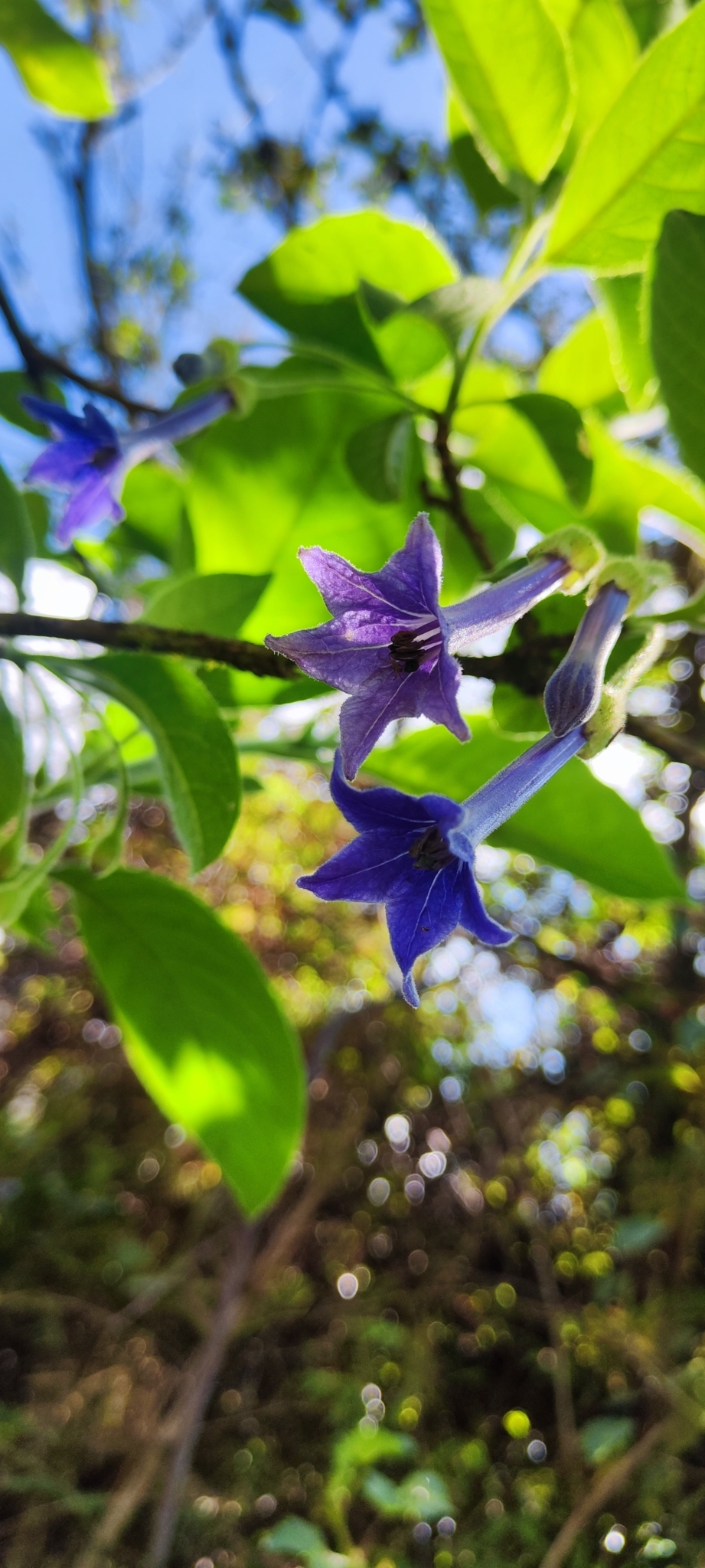
(c) Ana Mireya Guerrero G., some rights reserved (CC BY-NC-SA), uploaded by Ana Mireya Guerrero G.
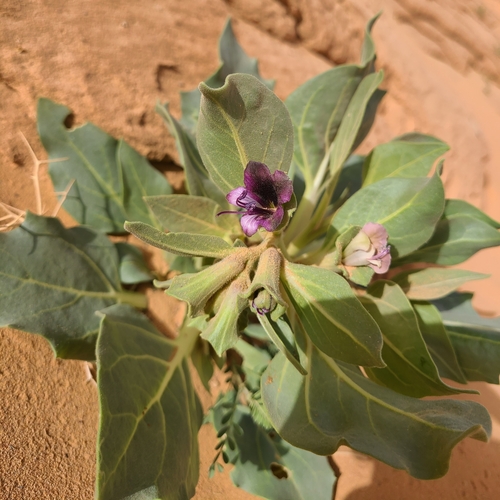
iNaturalist· cc-by-nc-sa
(c) Ana Mireya Guerrero G., some rights reserved (CC BY-NC-SA), uploaded by Ana Mireya Guerrero G.
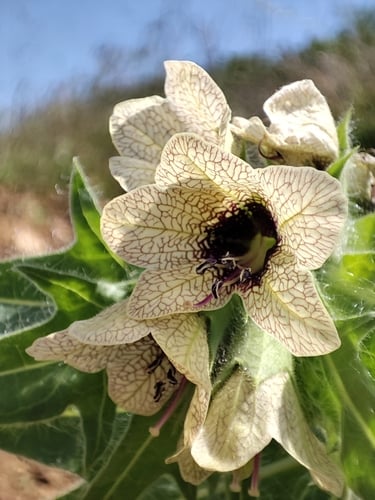
iNaturalist· cc-by-nc
(c) jltasset, some rights reserved (CC BY-NC), uploaded by jltasset
Summary
Source: WikipediaNicotiana rustica, commonly known as Aztec tobacco or strong tobacco, is a rainforest plant in the family Solanaceae native to South America. It is a very potent variety of tobacco, containing up to nine times more nicotine than common species of Nicotiana such as Nicotiana tabacum (common tobacco). More specifically, N. rustica leaves have a nicotine content as high as 9%, whereas N. tabacum leaves contain about 1 to 3%. The high concentration of nicotine in its leaves makes it useful for producing pesticides, and it has a wide variety of uses specific to cultures around the world. However, N. rustica is no longer cultivated in North America (except in small quantities by certain Native American tribes) as N. tabacum has replaced it.
Description
A herb. It grows each year from seed. It grows 40-60 cm tall. The leaves are oval or oblong and 10-30 cm long. There are many flowers in a group. They are greenish-yellow.
Edible Uses
The leaves have been dried and then chewed as a stimulant or made into snuff for sniffing, or smoked. This species contains more nicotine (between 4 - 9.5%) than Nicotiana tabacum (the species normally cultivated for cigarettes), and so has a harsher flavour. Although used extensively for recreational purposes, tobacco frequently causes pathological conditions and death.
Traditional Uses
The dried leaves are chewed.
This uses section is brief — help expand it
Medicinal Uses
All parts of the plant contain nicotine, a strong narcotic. The leaves are antispasmodic, cathartic, emetic, narcotic, and sedative, and are used externally as a poultice and wash in treating rheumatic swelling, skin diseases, and scorpion stings.
Known Hazards
The plant contains the toxic alkaloid nicotine. Widely used in all parts of the world as a stimulant, usually by smoking the plant or chewing it, in larger doses nicotine causes vomiting, diarrhoea, slow pulse, dizziness, collapse, and respiratory failure.
Distribution
It is a subtropical plant.
Where It Grows
Africa, Asia, Australia, Burkina Faso, Central Asia, China, India, Korea, Myanmar, Northeastern India, SE Asia, St Helena, Tajikistan, Tasmania, West Africa,
Cultivation
Prefers a well-drained deep rich moist soil in a sunny position. This plant was formerly cultivated for its use as an insecticide but it has now been largely replaced by N. tabacum. Plants require more than 14 hours daylight per day in order to induce flowering.
Propagation
Surface sow seed in a warm greenhouse about 10 weeks before the last expected spring frosts. Germination typically takes 10–20 days at 20°C. Keep the soil moist and pot up seedlings as soon as they are large enough to handle, planting out after the last expected frosts.
Other Uses
All parts of the plant contain nicotine, which has been extracted and used as an insecticide; dried leaves remain effective for up to 6 months after drying. The leaves have also been dried and chewed as a stimulant, made into snuff for sniffing, or smoked. This species is more potent than N. tabacum, the species normally cultivated for cigarettes. The plant is also a dynamic accumulator.
Other Information
Leaves are sold in local markets.
Also Known As
Damalai, Dum hna, Say
References (2)
- Medhi, P. & Borthakur, S. K., 2012, Phytoresources from North Cachur Hills of Assam -3: Edible plants sold at Hflong market. Indian Journal of Natural Products and Resources. 3(1) pp 84-109
- World Checklist of Useful Plant Species 2020. Royal Botanic Gardens, Kew