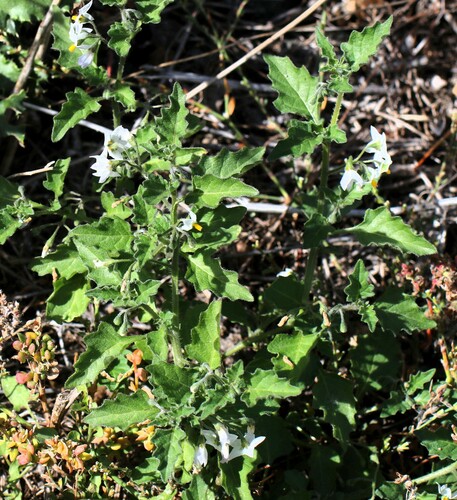
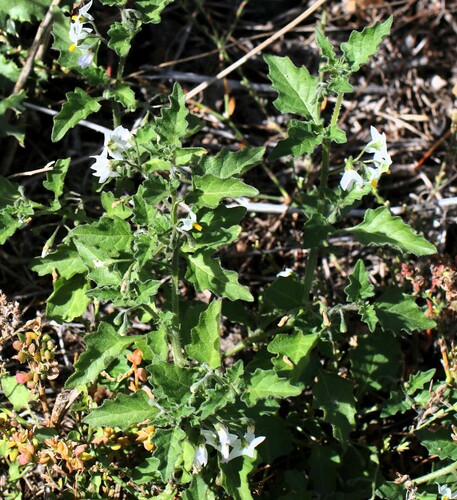
Physalis acutifolia
(Miers) Sandwich
Sharp-leaf ground cherry
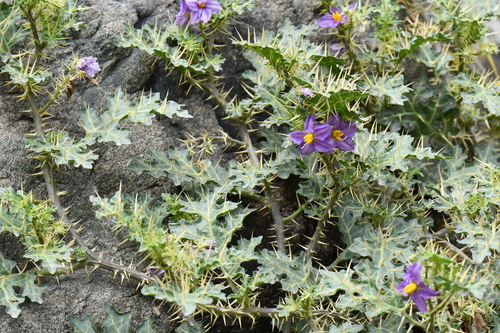
iNaturalist· cc-by-nc
(c) James Bailey, some rights reserved (CC BY-NC), uploaded by James Bailey
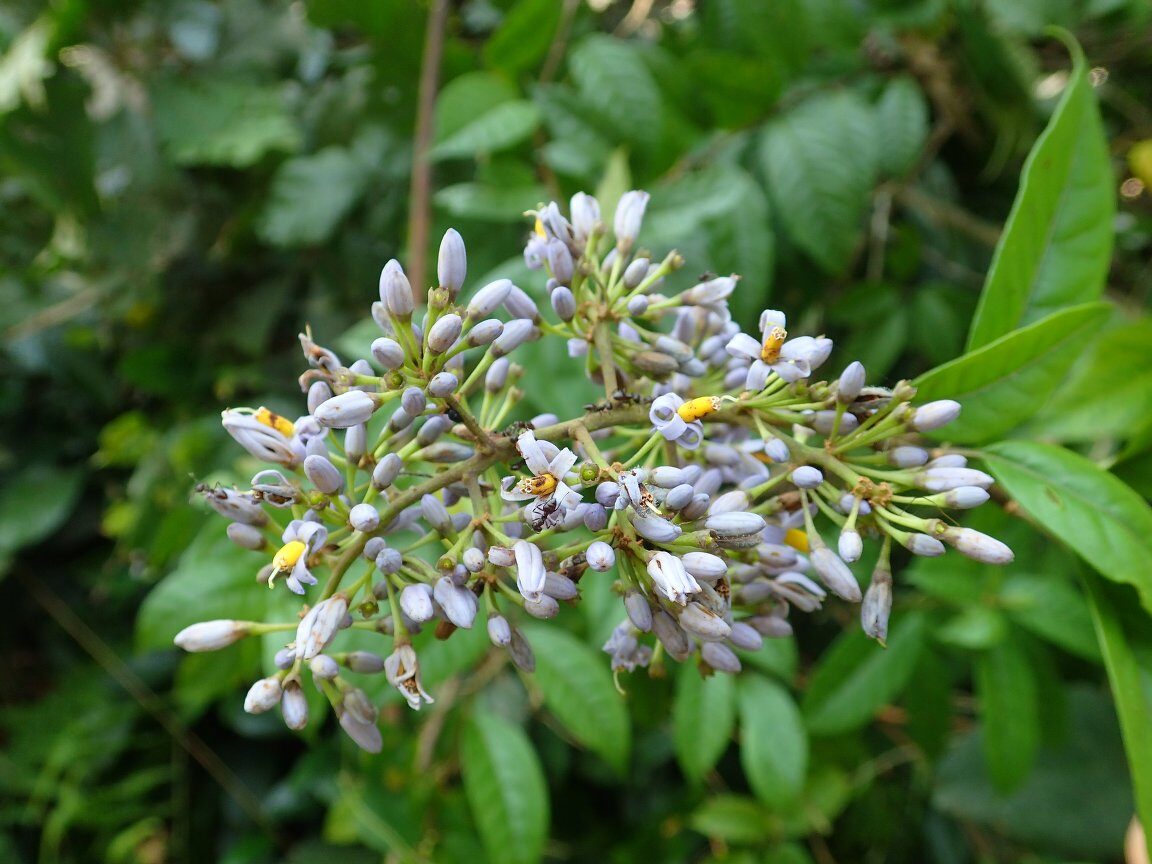
iNaturalist· cc-by-nc
(c) Theodore, some rights reserved (CC BY-NC), uploaded by Theodore
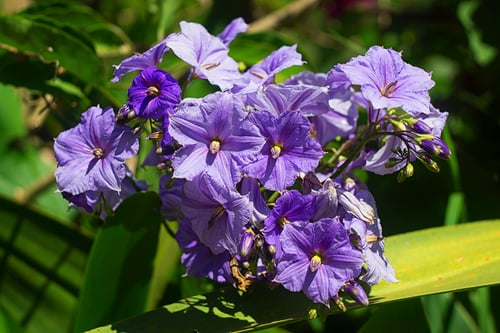
iNaturalist· cc-by-nc
(c) Jorge Chacon, some rights reserved (CC BY-NC), uploaded by Jorge Chacon
Summary
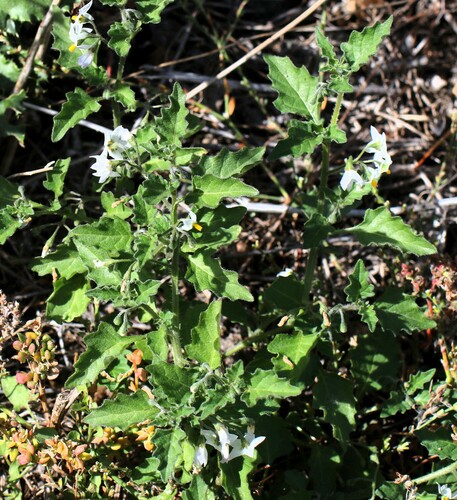
Source: WikipediaPhysalis acutifolia is a species of flowering plant in the nightshade family known by the common names sharpleaf groundcherry and Wright's ground-cherry. It is native to the southwestern United States from California to Texas, and northern Mexico, where it can be found in many types of habitat, including disturbed areas. It is sometimes a weed when it springs up in agricultural fields, but it is generally not weedy in wild habitat. This is an annual herb producing a branching stem up to a meter tall. The lance-shaped to oval leaves are up to 12 cm long and have edges lined with shallow, smooth teeth. The herbage is coated thinly in hairs appressed flat against the surface. The flowers growing from the leaf axils are round and flat-faced and sometimes over 2 cm wide. They are white to pale yellow with wide, bright yellow centers. The five stamens are each tipped with an anther about 3 mm long. The star-shaped calyx of sepals at the base of the flower enlarges as the fruit develops, becoming an inflated, ribbed lantern-shaped structure about 2 cm long which contains the berry.
Description
An annual herb. It grows about 1 m tall. The berry is in a lantern shaped structure 2 cm long.
This description is brief — help expand it
Edible Uses
The fruit can be eaten raw or cooked. Each fruit is neatly enclosed in a papery husk that naturally protects it from pests and the elements.
Traditional Uses
The fruit are eaten fresh. They are also boiled in a small amount of water and used as a condiment.
This uses section is brief — help expand it
Medicinal Uses
None known.
Distribution
It is a temperate plant.
Where It Grows
Asia, Korea, Mexico, North America, USA,
Propagation
Sow seed in March or April in a greenhouse, barely covering it. Germination is generally quick and reliable. Prick seedlings out into individual pots of reasonably rich soil once large enough to handle, then plant outside after the last expected frosts, ideally with cloche protection until they are growing well. Diurnal temperature fluctuations aid germination. Division in spring is straightforward — larger divisions can go directly into permanent positions. Smaller divisions are better potted up and grown on in light shade in a cold frame until well established, then planted out in late spring or early summer. For basal cuttings in early summer, harvest shoots with plenty of underground stem when about 8–10cm above ground. Pot individually and keep in light shade in a cold frame or greenhouse until rooting well, then plant out during summer.
Other Uses
None known.
Other Information
The fruit are eaten especially by children.
Notes
There are about 75-100 Physalis species.
Synonyms
References (7)
- https://www.fireflyforest.com/flowers/category/edible-plants/ Edible Plants – Southeastern Arizona Wildflowers and Plants
- Kew Bull. 14:232. 1960
- LaRochelle, S. & Berkes F., 2003, Traditional Ecological Knowledge and practice for Edible Wild Plants - Mexico. Int. J. Sustain Dev. World Ecol. 10:361-375 (As Physalis wrightii)
- Moerman, D. F., 2010, Native American Ethnobotany. Timber Press. p 395
- Plants for a Future database, The Field, Penpol, Lostwithiel, Cornwall, PL22 0NG, UK. http://www.scs.leeds.ac.uk/pfaf/ (Also as Physalis wrightii)
Show all 7 references Hide references
- Proc. Amer. Acad. Arts 10:63. 1874 (As Physalis wrightii)
- Wikipedia