Nicotiana tabacum
L.
Tobacco, Cultivated tobacco
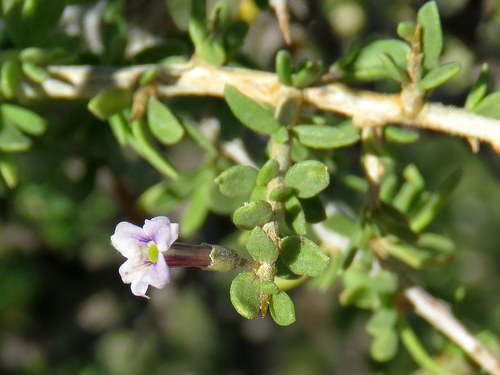
iNaturalist· cc0
no rights reserved, uploaded by 葉子
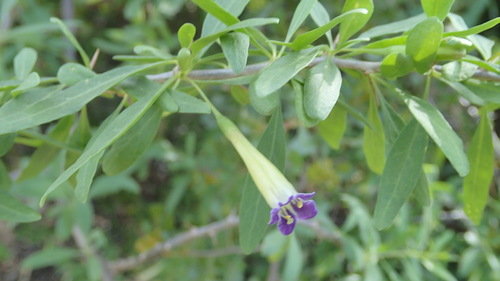
iNaturalist· cc0
no rights reserved, uploaded by 葉子
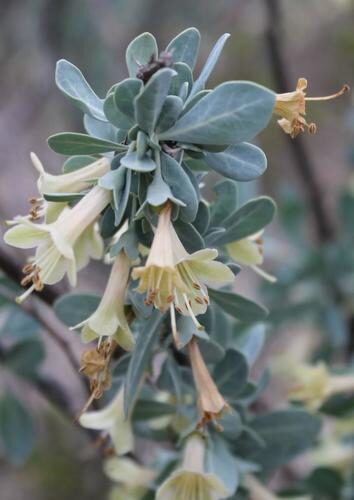
iNaturalist· cc0
no rights reserved, uploaded by 葉子
Description
Nicotiana tabacum is a ANNUAL growing to 1.2 m (4ft). See above for USDA hardiness. It is hardy to UK zone 8 and is frost tender. It is in flower from July to September, and the seeds ripen from August to October. The species is hermaphrodite (has both male and female organs) and is pollinated by Bees, Lepidoptera (Moths & Butterflies). It is noted for attracting wildlife. Suitable for: light (sandy), medium (loamy) and heavy (clay) soils and prefers well-drained soil. Suitable pH: mildly acid, neutral and basic (mildly alkaline) soils. It cannot grow in the shade. It prefers moist soil.
Edible Uses
Egg OilA protein can be extracted from the leaves. It is an odourless, tasteless white powder and can be added to cereal grains, vegetables, soft drinks and other foods. It can be whipped like egg whites, liquefied or gelled and can take on the flavour and texture of a variety of foods. It is 99.5% protein, contains no salt, fat or cholesterol. It is currently (1991) being tested as a low calorie substitute for mayonnaise and whipped cream.
Medicinal Uses
Antispasmodic Diuretic Emetic Expectorant Homeopathy Irritant Narcotic Sedative Sialagogue. Tobacco has a long history of use by medical herbalists as a relaxant, though since it is a highly additive drug it is seldom employed internally or externally at present. The leaves are antispasmodic, discutient, diuretic, emetic, expectorant, irritant, narcotic, sedative and sialagogue. They are used externally in the treatment of rheumatic swelling, skin diseases and scorpion stings. The plant should be used with great caution, when taken internally it is an addictive narcotic. The active ingredients can also be absorbed through the skin. Wet tobacco leaves can be applied to stings in order to relieve the pain. They are also a certain cure for painful piles. A homeopathic remedy is made from the dried leaves. It is used in the treatment of nausea and travel sickness.
Known Hazards
All parts of the plant are poisonous. They contain a volatile oil called nicotine, this is a virulent poison that produces nausea, vomiting, sweating, palpitations and nausea.
Distribution
S. America. Naturalized in C. and S. Europe.
Where It Grows
Coming Soon
Cultivation
Prefers a well-drained deep rich moist soil in a sunny position. Plants are not very hardy in Britain, but they can be grown as biennials in areas where winter temperatures do not fall below about -5°c. A polymorphic species. Tobacco is very widely cultivated for its leaves, there are many named varieties. As well as being used as an insecticide, the leaves are used to make cigarettes, cigars, snuff and for chewing. There are many long-term health problems associated with these uses, especially from cancer, lung, circulatory and heart diseases. The plant accumulates potassium. The plant has sweetly scented flowers that release most of their scent in the evening and attract moths. Plant requires more than 14 hours daylight per day in order to induce flowering.
Propagation
Seed - surface sow in a warm greenhouse about 10 weeks before the last expected spring frosts. The seed usually germinates in 10 - 20 days at 20°c. Keep the soil moist and pot up as soon as the plants are big enough to handle, planting them out after the last expected frosts.
Other Uses
Insecticide Oil Repellent. All parts of the plant contain nicotine, this has been extracted and used as an insecticide. The dried leaves can also be used, they remain effective for 6 months after drying. The juice of the leaves can be rubbed on the body as an insect repellent. The leaves have been dried and chewed as an intoxicant. The dried leaves are also used as snuff or smoked. This is the main species that is used to make cigarettes and cigars. A drying oil is obtained from the seed. Dynamic accumulator.