Ficus obtusifolia
Kunth
Caxinguba-tinga
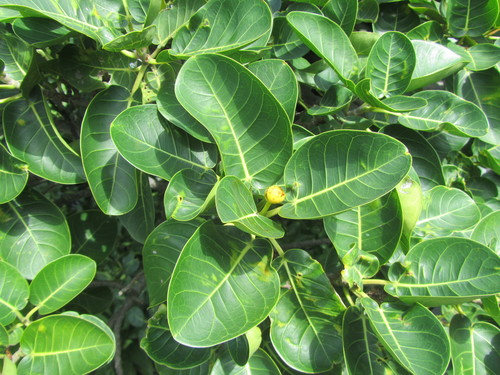
iNaturalist· cc-by-nc
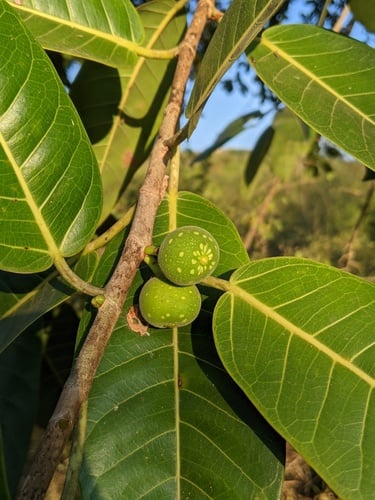
(c) Marvin López M., some rights reserved (CC BY-NC), uploaded by Marvin López M.
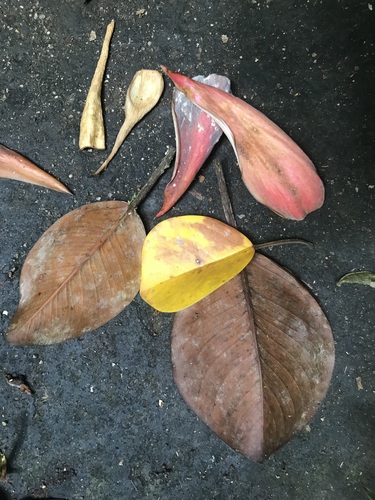
iNaturalist· cc-by-nc
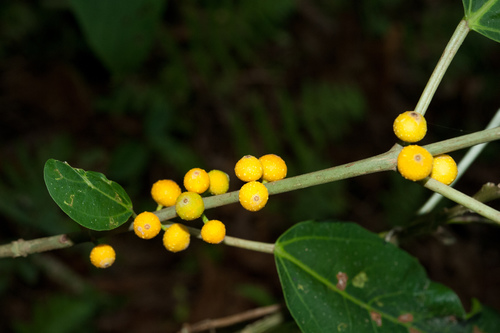
(c) Salvador Luna Vargas, some rights reserved (CC BY-NC), uploaded by Salvador Luna Vargas
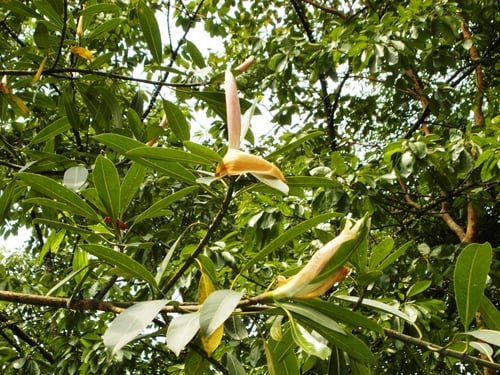
iNaturalist· cc-by-nc-sa
(c) Daniel H. Janzen. Guanacaste Dry Forest Conservation Fund., some rights reserved (CC BY-NC-SA)
Summary
Source: WikipediaFicus obtusifolia is a species of tree in the family Moraceae. It is found in North and South America.
Description
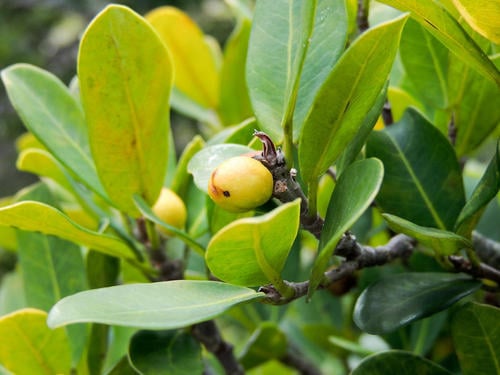
A fig. It is a tree. It can grow 8-25 m tall. The fruit is round and 2 cm across.
This description is brief — help expand it
Edible Uses
The fruit is eaten.
Medicinal Uses
The latex is used in a plaster to ease pain in the abdomen.
Distribution
It is a tropical plant. It grows in lowland forest. It grows from sea level to 1,000 m above sea level. It can grow in wet and in seasonally dry areas.
Where It Grows
Belize, Bolivia, Brazil, Central America, Colombia, Costa Rica, El Salvador, Guatemala, Honduras, Mexico, Nicaragua, North America, South America,
Cultivation
A plant of the lowland tropics, where it is able to thrive both in all year round wet areas and in seasonally very dry areas. Fig trees have a unique form of fertilization, each species relying on a single, highly specialized species of wasp that is itself totaly dependant upon that fig species in order to breed. The trees produce three types of flower; male, a long-styled female and a short-styled female flower, often called the gall flower. All three types of flower are contained within the structure we usually think of as the fruit. The female fig wasp enters a fig and lays its eggs on the short styled female flowers while pollinating the long styled female flowers. Wingless male fig wasps emerge first, inseminate the emerging females and then bore exit tunnels out of the fig for the winged females. Females emerge, collect pollen from the male flowers and fly off in search of figs whose female flowers are receptive. In order to support a population of its pollinator, individuals of a Ficus spp. must flower asynchronously. A population must exceed a critical minimum size to ensure that at any time of the year at least some plants have overlap of emmission and reception of fig wasps. Without this temporal overlap the short-lived pollinator wasps will go locally extinct.
Synonyms
Also Known As
Amate, Amate prieto, Apui, Bibosi, Chalata, Higuerilla, Matapalo, Sak ahua
References (7)
- Fern, K., 2012, Tropical Species Database http://theferns.info/tropical/
- FMNH Botany Collections Database - Mesoamerican Ethnobotany emuweb.field museum.org
- Kermath, B. M., et al, 2014, Food Plants in the Americas: A survey of the domesticated, cultivated and wild plants used for Human food in North, Central and South America and the Caribbean. On line draft. p 371
- Roa, J. A. G. & Boada, D. S. G., 2018, Fundación para el Fortalecimiento de la Fruticultura y Plantas Alimenticias no Convencionales en Colombia.
- Segura, S., et al, 2018, The edible fruit species in Mexico. Genet Resour Crop Evol (2018) 65:1767–1793
Show all 7 references Hide references
- World Checklist of Useful Plant Species 2020. Royal Botanic Gardens, Kew
- www.colecionandofrutas.org