Batocarpus orinocensis
H. Karst.
Orinoco batocarpus
iNaturalist· cc-by-nc
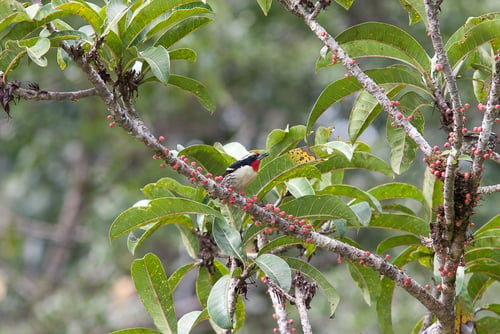
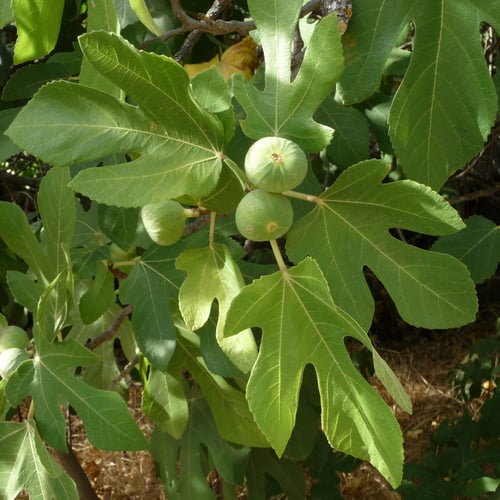
(c) Apipa, some rights reserved (CC BY-NC), uploaded by Apipa
iNaturalist· cc-by-nc
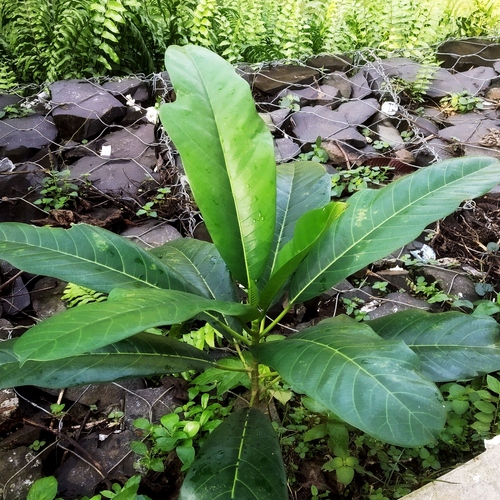
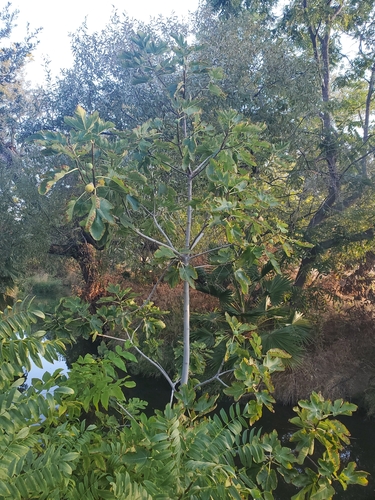
(c) Apipa, some rights reserved (CC BY-NC)
Description
A tree. It grows 14 m tall. The trunk is 20 cm across. The fruit are green. The pulp when ripe is soft, yellow and sweet.
This description is brief — help expand it
Edible Uses
The ripe fruit pulp is eaten. The seeds are boiled and eaten.
Traditional Uses
The fruit are eaten. The seeds are boiled and eaten.
This uses section is brief — help expand it
Distribution
It is a tropical plant.
Where It Grows
Amazon, Andes, Brazil, Central America, Colombia, Ecuador, Panama, Peru, South America*,
Other Information
It is also cultivated.
Synonyms
Also Known As
Anoni, Chinchia, Dei, Frutipan de monte, Huito, Kakaibe, Katabekawe, Kobewe, Kodogimomo, Kodonimowe, Kodowimo, Mallamem, Mano de tigre, Minkia, Ne'mba, Pan de arbol, Paraguay, Pitu, Pitiu, Pituca, Pitucca, Sacha paparahua, Sacha paparan, Sacha paparogua, Sierra, Slutin viri, Tucha pishcu ila, Yakami paparu
References (10)
- Bennett, B. C., 1990, Useful Plants of Amazonian Ecuador. US Agency for International Development. Fifth Progress Report. New York Botanical Gardens. p 39
- Grandtner, M. M., 2008, World Dictionary of Trees. Wood and Forest Science Department. Laval University, Quebec, Qc Canada. (Internet database http://www.WDT.QC.ca)
- Grandtner, M. M. & Chevrette, J., 2013, Dictionary of Trees, Volume 2: South America: Nomenclature, Taxonomy and Ecology. Academic Press p 60
- Jernigan, K. A., 1997, An Ethnobiological Exploration of Sensory and Ecological Aspects of Tree Identification among the Aguaruna Kivaro. PhD thesis. Athens, Georgia. p 110
- Kermath, B. M., et al, 2014, Food Plants in the Americas: A survey of the domesticated, cultivated and wild plants used for Human food in North, Central and South America and the Caribbean. On line draft. p 122
Show all 10 references Hide references
- Kew Plants of the World Online
- Lopez-Diago, D. & Garcia, N., 2021, Wild edible fruits of Colombia. Biota ColomBiana 22 (2) p 43
- Roa, J. A. G. & Boada, D. S. G., 2018, Fundación para el Fortalecimiento de la Fruticultura y Plantas Alimenticias no Convencionales en Colombia.
- Torre, de la, L., et al, 2008, Enciclopedia de las Plantas Útiles del Ecuador. Herbario QCA. Pontificia Universidad Católica del Ecuador. p 446
- Van den Eynden, V., & Cueva, E., 2008, Las plantas en la alimentacion. Enciclopedia de las Plantas Utiles del Ecuador. Herbario QCA & Herbario AAU. Quito & Aarhus. 2008: 62–66