Artocarpus vriesianus
Miq.
Umbopin
gbif· cc-by
Meise Botanic Garden
gbif· cc-by
Meise Botanic Garden
gbif· cc-by
Meise Botanic Garden
Description
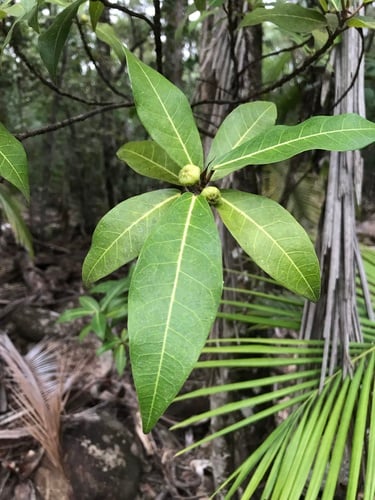
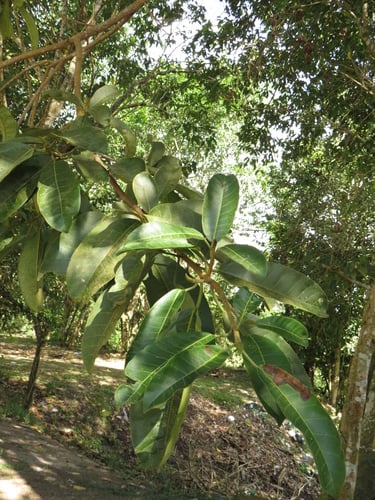
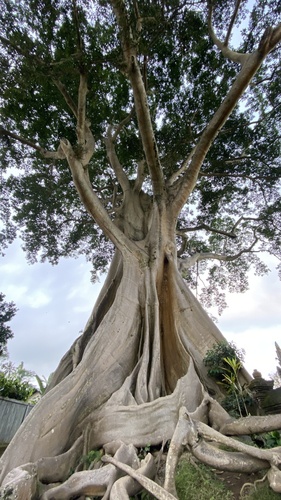
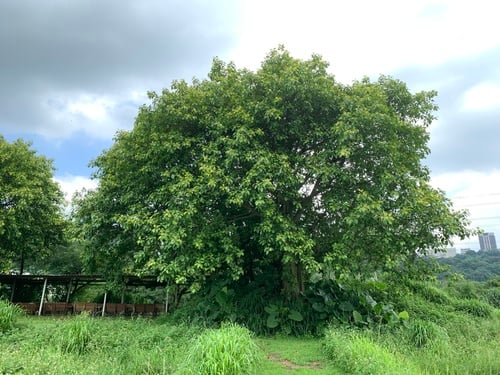
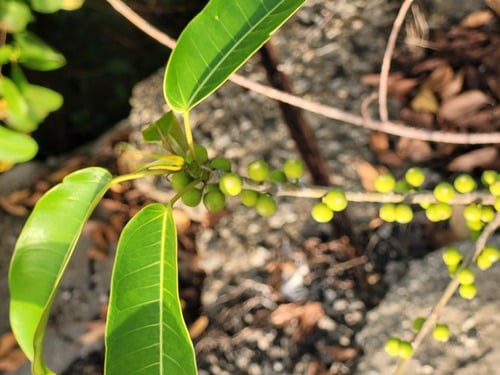
A tall tree. It grows 12 m tall. The branches are brown with shallow cracks along their length. They also have round air pores in the bark. The leaves are thin and can be soft or papery. They are oval and have a tail at the tip. They are smooth and 20 cm wide by 25 cm long. The leaves are mid green above and more pale underneath. The flower cluster has male and female flowers separately. The fruit is a composite fruit with parts fused together. It is 5 cm across. The fruit are orange, pulpy and edible. Four varieties have been recognised.
Edible Uses
The fruit is eaten after cooking. Young fruit are chewed as a substitute for betel nut.
Traditional Uses
The fruit are eaten after cooking. The young fruit are chewed as a substitute for betel nut.
This uses section is brief — help expand it
Distribution
A coastal tropical plant. It is widely distributed around Papua New Guinea except New Ireland and Bougainville. It grows up to 2,000 m above sea level.
Where It Grows
Asia, Indonesia, Pacific, Papua New Guinea, PNG, SE Asia, Solomon Islands,
Cultivation
Plants are mostly self sown. Presumably they grow from seeds.
Other Information
A minor fruit in Papua New Guinea.
Notes
There are about 50 Artocarpus species. They are in the tropics and subtropics of Asia and the Pacific.
Also Known As
Badokas, Matuka, Taas, Yabe yabe
References (8)
- Altschul, S.V.R., 1973, Drugs and Foods from Little-known Plants. Notes in Harvard University Herbaria. Harvard Univ. Press. Massachusetts. no. 694
- Borrell, O.W., 1989, An Annotated Checklist of the Flora of Kairiru Island, New Guinea. Marcellin College, Victoria Australia. p 104
- French, B.R., 2010, Food Plants of Solomon Islands. A Compendium. Food Plants International Inc. p 176
- Hide, R., et al, 1979, A checklist of some plants in the territory of the Sinasina Nimai (Simbai Province, Papua New Guinea), with notes on their uses. Department Anthropology, University of Aukland
- Plants of Papua New Guinea LAE herbarium record
Show all 8 references Hide references
- PROSEA No. 2
- Walter, A. & Sam C., 2002, Fruits of Oceania. ACIAR Monograph No. 85. Canberra. p 278
- World Checklist of Useful Plant Species 2020. Royal Botanic Gardens, Kew