Brosimum acutifolium
Huber
Acuteleaf breadnuttree
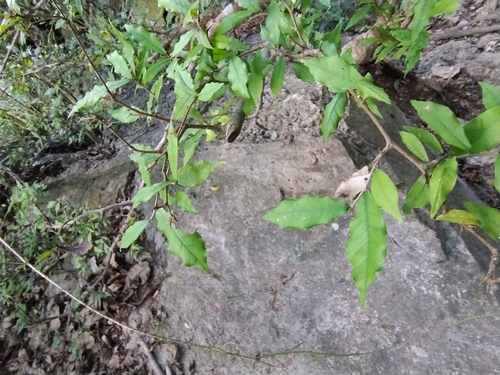
iNaturalist· cc-by-nc
(c) Riley Fortier, some rights reserved (CC BY-NC), uploaded by Riley Fortier
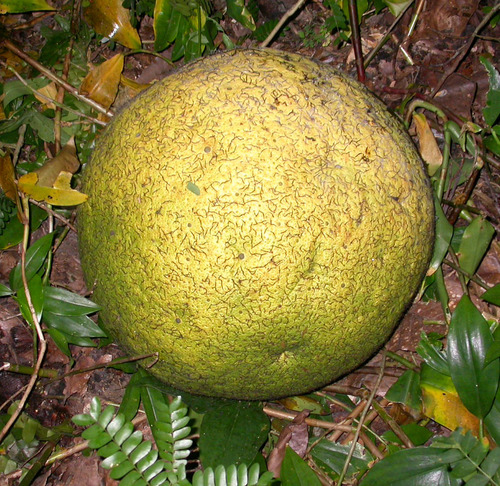
iNaturalist· cc-by-nc
(c) Riley Fortier, some rights reserved (CC BY-NC)
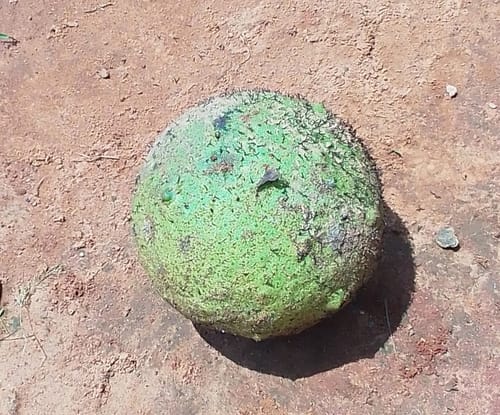
iNaturalist· cc-by-nc
(c) Riley Fortier, some rights reserved (CC BY-NC)
Summary
Source: WikipediaBrosimum acutifolium is a tree of the genus Brosimum that is found in South America. The latex of Brosimum acutifolium contains bufotenin and is used as an entheogen and hallucinogen under the name takini by certain peoples in South America.
Description
A tree. It grows 15-25 m tall. The trunk is straight and only has branches above 11 m.
This description is brief — help expand it
Edible Uses
The seeds and fruit are edible.
Medicinal Uses
Latex flowing from incisions in the bark is used by shamans as an hallucinogenic substance in rituals. The bark is anodyne, anthelmintic, antiarthritic, antibacterial, anticancer, antifungal, anti-inflammatory, aphrodisiac, blood purifier and tonic. It is a very common and well-respected remedy for rheumatism and arthritis, and is also a very common remedy for syphilis. A decoction of the bark is used in the treatment of gastro-intestinal disorders, headaches, muscle pain and injuries, intestinal worms, anaemia, vertigo and loss of balance, to help regulate the nervous system, as a general tonic for debility, for fungal and yeast infections. The decoction is also used to improve the memory, to purify the blood and to regulate the nervous system. The bark is used in baths to treat fevers. The bark contains flavans, flavanoids, lignans, phenylpropanoids, benezoids, and steroids. Many of these chemicals are novel ones never before seen by scientists, including 6 chemicals they’ve named acutifolins and 13 chemicals they’ve named brosimacutins. Crude extracts of the bark have been shown to reduce inflammation. Two of the compounds in the root (mururin A and B) have the ability to inhibit protein kinase a compound in the body that is involved with various conditions and is one of the chemicals that the body uses to actually produce inflammation. People with autoimmune disorders, arthritis, and rheumatoid arthritis usually have elevated protein kinase levels, and protein kinase inhibitors are a new class of drugs under research for treating these types of conditions. In addition to autoimmune disorders and arthritis, protein kinase is also thought to play a role in cancer and tumor cell growth. The ability to inhibit protein kinase might be the reason behind the bark’s documented actions against cancer cells. The bark has also shown antibacterial actions against common bacteria, including Bacillus, Staphylococcus, Helicobacter pylori and Candida albicans, as well as a common strain of skin fungus.
Known Hazards
The bark is used for medicine (caution advised).
Distribution
It is a tropical plant. It grows in the wet tropics.
Where It Grows
Amazon, Bolivia, Brazil, Colombia, Ecuador, French Guiana, Guianas, Guyana, Mexico, Peru, South America, Suriname,
Other Uses
A white to light pink latex is obtained from incisions in the bark and from breaking leaves off branches. It is used medicinally. The heartwood is brown; the sapwood is pale yellow. The texture is medium; the grain is interlocked; lustre is medium; there is no distinctive aroma or taste. The wood seasons rather slowly, with a tendency for curving, cracking and collapsing. The wood is moderately easy to work and finishes well. It is used for purposes such as construction, furniture, flooring, boxes and crates.
Notes
The bark is used for medicine. Caution.
Synonyms
Also Known As
Kari axihi, Muira piranga, Murure, Murure-da-terra-firme, Tamamuri
References (6)
- Ferns, Useful Tropical Plants.
- Grandtner, M. M. & Chevrette, J., 2013, Dictionary of Trees, Volume 2: South America: Nomenclature, Taxonomy and Ecology. Academic Press p 72
- Kermath, B. M., et al, 2014, Food Plants in the Americas: A survey of the domesticated, cultivated and wild plants used for Human food in North, Central and South America and the Caribbean. On line draft. p 148
- Lopez-Diago, D. & Garcia, N., 2021, Wild edible fruits of Colombia. Biota ColomBiana 22 (2) p 43
- Roa, J. A. G. & Boada, D. S. G., 2018, Fundación para el Fortalecimiento de la Fruticultura y Plantas Alimenticias no Convencionales en Colombia.
Show all 6 references Hide references
- www.proyanomami.org