Cordia crenata
Delile
wikimedia· cc0
Wikimedia Commons - Blondeau, Alexandre; Fourier, Jean Baptiste Joseph; France.; France.; France.; Institut d'Egypte (1798-1801); Jacotin, Pierre; Jollois, Jean Baptiste Prosper; Jomard, Edme-François; Monge, Gaspard; Napoleon; Tresca, Salvadore; Villoteau, Guillaume André
wikimedia· cc0
Wikimedia Commons - Scan by NYPL
gbif· cc-by-sa
GBIF
Description
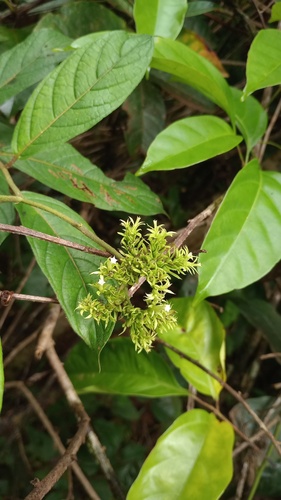
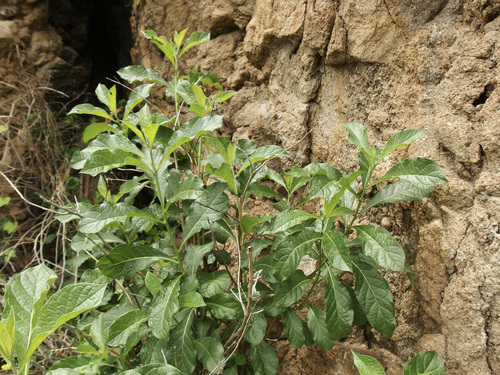
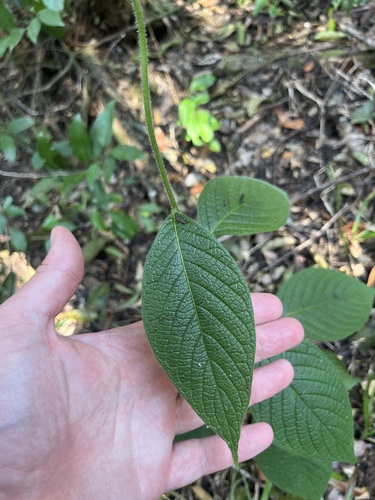
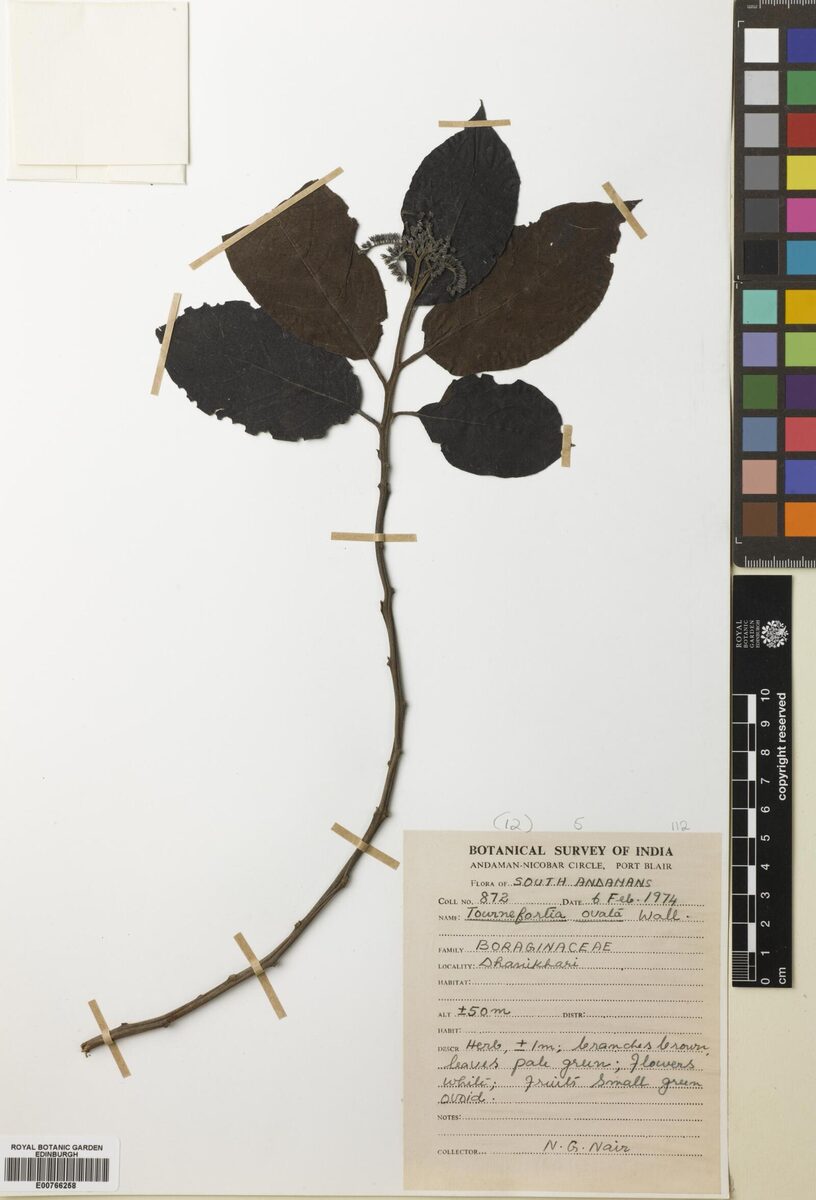
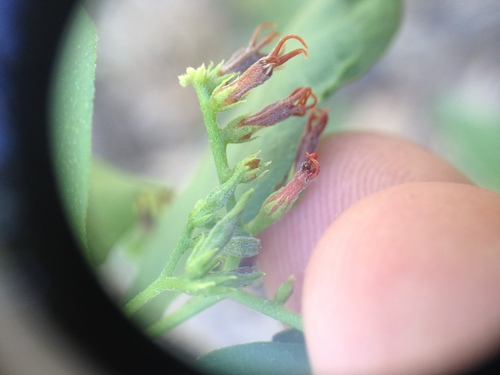
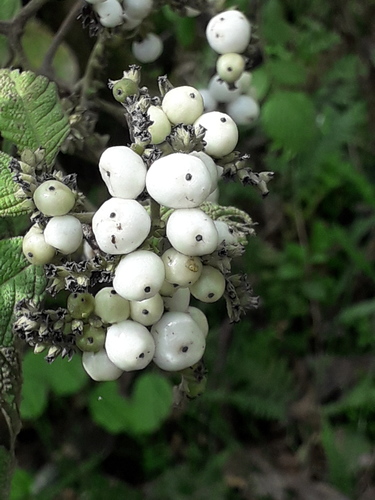
A shrub or small tree. It grows 7 m tall. Young plant parts are hairy. The leaves are oval or wedge shaped and 5-8 cm long by 3 cm wide. They are rough above and hairy underneath. Male and female flowers are on separate plants. The fruit are oval and orange and 13 mm long by 8 mm wide. There is one seed.
Edible Uses
Fruit - raw. In general the fruit comprises a thin to fairly thick layer of pulpy, sweetish-tasting flesh surrounding a single seed. The oblong-ovoid, orange fruit can be 13mm long and 8mm wide.
Traditional Uses
The fruit are eaten raw.
This uses section is brief — help expand it
Distribution
It is a tropical plant.
Where It Grows
Africa, Arabia, Asia, East Africa, Egypt, India, Iran, Kenya, Middle East,
Cultivation
Plants can be grown by seeds.
Other Uses
The flowers are a good source of nectar for bees.
Other Information
It is cultivated.
Synonyms
References (4)
- Fern, K., 2012, Tropical Species Database http://theferns.info/tropical/
- INFOODS:FAO/INFOODS Databases
- Mutie, F. G., 2020, Conservation of Wild Food Plants and Their Potential for Combatting Food Insecurity in Kenya as Exemplified by the Drylands of Kitui County. Plants 2020, 9, 1017
- Mutie, F. M., et al, 2023, Important Medicinal and Food Taxa (Orders and Families) in Kenya, Based on Three Quantitative Approaches. Plants 2023, 12, 1145