Cynoglossum lanceolatum
Forssk.
Lanceleaf forget-me-not, Hound's tongue
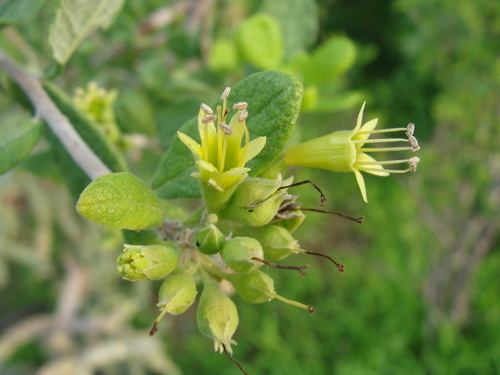
iNaturalist· cc0
no rights reserved, uploaded by 葉子
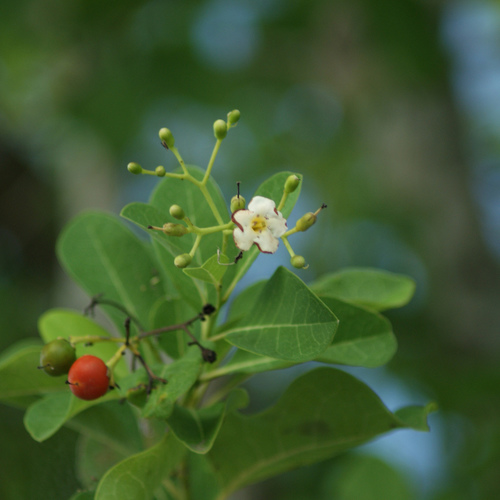
iNaturalist· cc0
no rights reserved, uploaded by 葉子
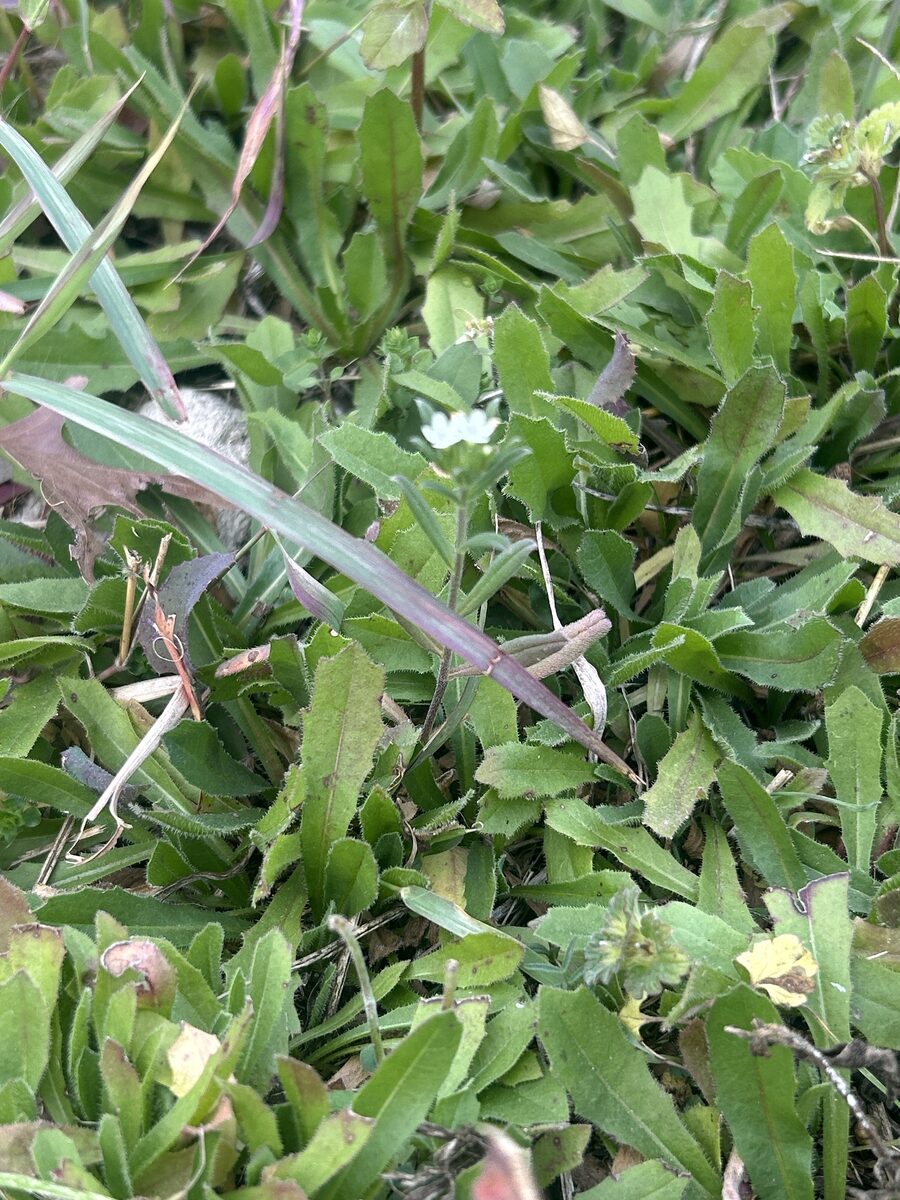
iNaturalist· cc-by
(c) Jacy Chen, some rights reserved (CC BY), uploaded by Jacy Chen
Summary
Source: WikipediaCynoglossum lanceolatum Forssk. is closely related to and grades into Cynoglossum coeruleum Hochst. ex A.DC. It is a much-branched biennial plant, occurring widely with an anthropogenic distribution, harvested from the wild and used as both food and medicine. This species was first described by the Swede Peter Forsskål in 1775 in Flora Aegyptiaco-Arabica 41. Parts of the plant are used as a diaphoretic, a colic medicine for children, a diuretic expectorant, and as a febrifuge and vermifuge. A poultice made from crushed plant parts is applied to wounds by the Basuto, while the roots are used in the treatment of eye ailments. The plant is used in soup. Tests for bitters, alkaloid, volatile oil, hydrocyanic acid, saponin and triterpenoids have proven negative.
Description
A herb. It grows 1.8 m high. It has annual stems. These are bristly. The leaves are 8-15 cm long by 2-4 cm wide. The flowers occur all along the branches. They are 4 mm across. They are white or blue. The fruit is made up of 4 nutlets. These are covered with sticky hairs. There are 2 subspecies.
Edible Uses
The leaves are added to soup or boiled for use in other dishes. The roots are chewed as a mouth freshener.
Traditional Uses
The leaves are added to soup. They are also boiled and then used in other dishes. The roots are chewed as a mouth freshener.
This uses section is brief — help expand it
Medicinal Uses
The roots are used as a mouth freshener.
Known Hazards
No specific mention of toxicity has been seen for this species, but many members of this plant family (Boraginaceae) are known to contain pyrrolizidine alkaloids. These alkaloids have a cumulative effect upon the body and, unless concentrations in a plant are high, occasional use is generally completely safe. They are derived from amino acids including ornithine. Many pyrrolizidine alkaloids have pronounced hepatic toxicity, but the lungs and other organs may be affected as well. Mutagenic and carcinogenic activities of pyrrolizidine alkaloids have also been reported.
Distribution
It is a subtropical plant. It grows in mountain grassland and on river banks. It grows from 1,000-3,000 m altitude. In Sichuan and Yunnan.
Where It Grows
Africa, Arabia, Asia, Cambodia, Cameroon, Central Africa, China, Congo, East Africa, Himalayas, India, Indochina, Kenya, Laos, Liberia, Malawi, Middle East, Mozambique, Myanmar, Nepal, Nigeria, Northeastern India, Pakistan, Philippines, SE Asia, Southern Africa, Sri Lanka, Taiwan, Thailand, West Africa, Zambia, Zimbabwe,
Synonyms
Also Known As
Chicata-mbuzi, Jezgai, Kuro, Sancharik
References (7)
- Ahmad, K. & Pieroni, A., 2016, Folk knowledge of wild food plants among the tribal communities of Thakht-e-Sulaiman Hills, North-West Pakistan. Journal of Ethnobiology and Ethnomedicine, 12:17
- Burkill, H. M., 1985, The useful plants of west tropical Africa, Vol. 1. Kew.
- Flora Zambesiaca. http://apps.kew.org/efloras
- Fowler, D. G., 2007, Zambian Plants: Their Vernacular Names and Uses. Kew. p 78 (Subsp geometricum)
- Grubben, G. J. H. and Denton, O. A. (eds), 2004, Plant Resources of Tropical Africa 2. Vegetables. PROTA, Wageningen, Netherlands. p 561
Show all 7 references Hide references
- Tsering, J., et al, 2017, Ethnobotanical appraisal on wild edible plants used by the Monpa community of Arunchal Pradesh. Indian Journal of Traditional Knowledge. Vol 16(4), October 2017, pp 626-637
- World Checklist of Useful Plant Species 2020. Royal Botanic Gardens, Kew