Cordia uncinulata
De Willd.
gbif· cc-by
Royal Botanic Gardens, Kew
gbif· cc-by
Royal Botanic Gardens, Kew
gbif· cc-by
Royal Botanic Gardens, Kew
Description
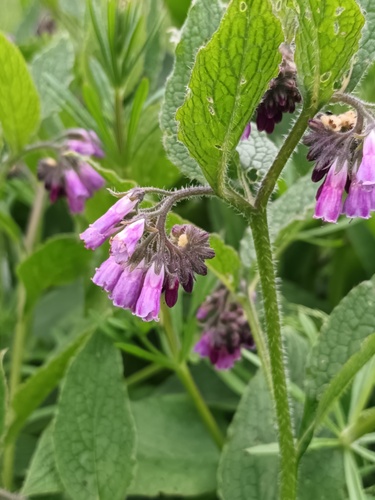
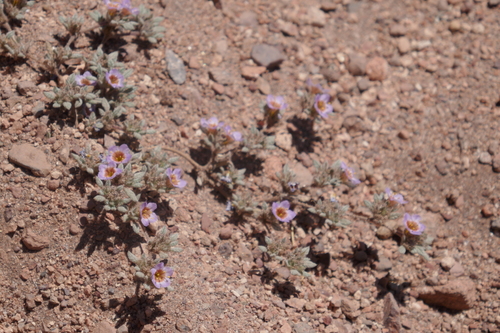
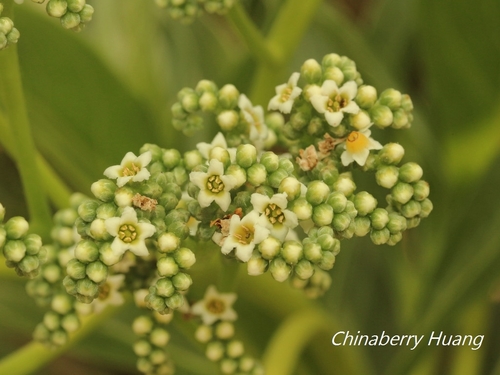
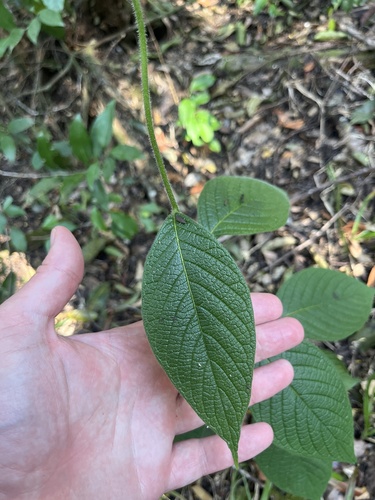
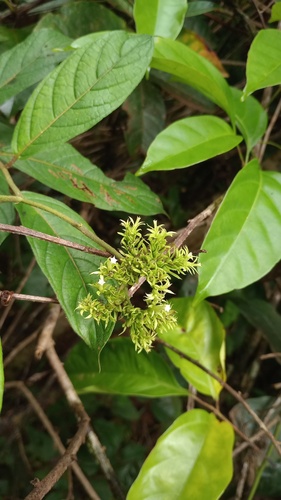
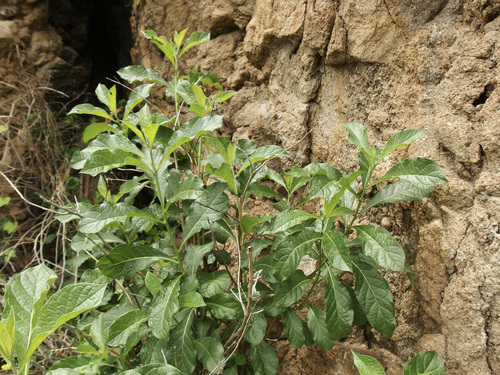
A shrub or creeper. It can grow 1.8 m tall or be 15 m long. The young branches are brown with pale rusty hairs. The leaves are 3-13 cm long and 3-8 cm wide. They taper to the tip and are wedge shaped or rounded at the base. The flowers are in a flat topped arrangement at the ends of the branches. The fruit are oval and orange. They are 1 cm long by 5-6 mm wide. The fruit has one seed.
Edible Uses
The fruit-pulp is sweet and is said to be eaten. In general the fruit comprises a thin to fairly thick layer of pulpy, sweetish-tasting flesh surrounding a single seed.
Traditional Uses
The fruit are eaten raw.
This uses section is brief — help expand it
Distribution
It is a tropical plant. It grows in dry scrub in West Africa. It grows in open forest at about 1,200 m above sea level.
Where It Grows
Africa, Burundi, Central Africa, Central African Republic, CAR, Congo DR, Ethiopia, Nigeria, Rwanda, Senegal, Uganda, West Africa,
Cultivation
Plants are grown from seeds.
Synonyms
References (2)
- Burkill, H. M., 1985, The useful plants of west tropical Africa, Vol. 1. Kew.
- Ferns, Useful Tropical plants.