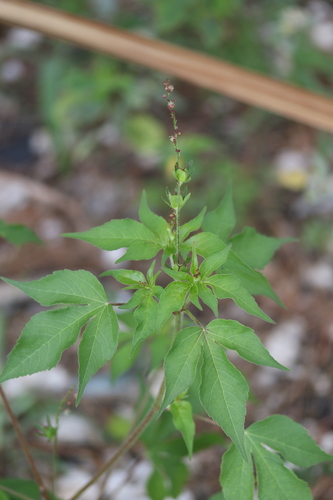
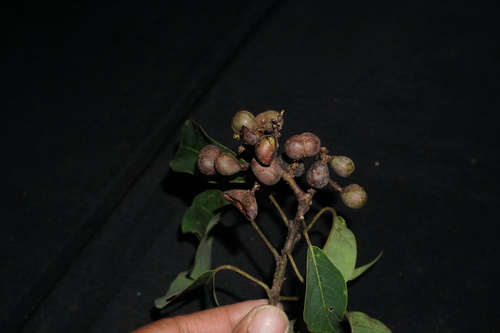
Caryodendron grandifolium
(Muell.-Arg.) Pax
gbif· cc-by-nc
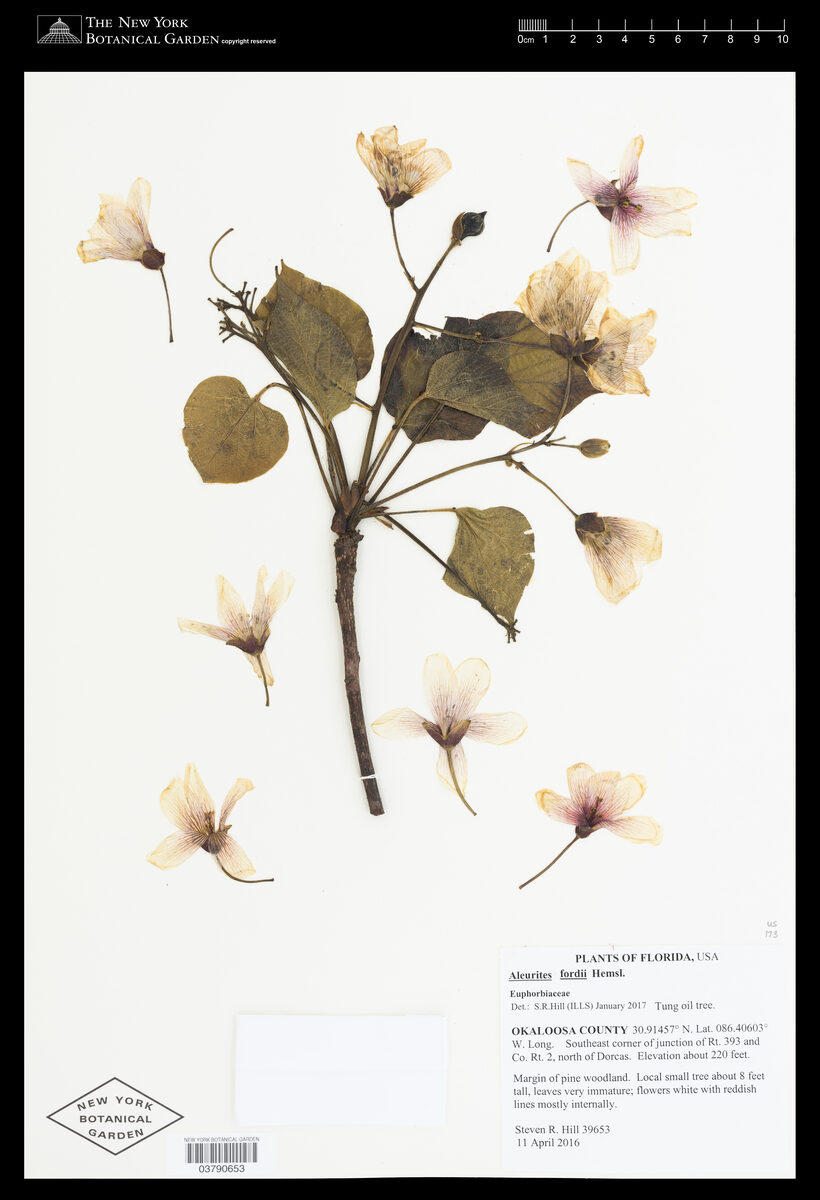
Field Museum of Natural History - Botany Department | GDI 2013-2015
gbif· cc-by-nc
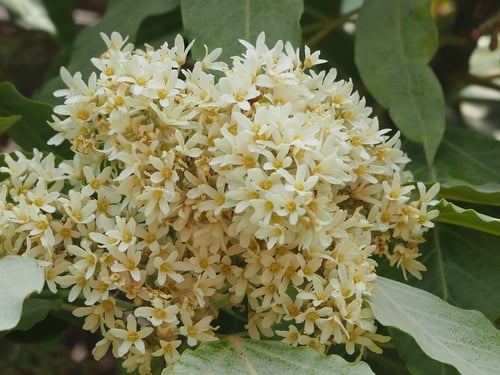
Field Museum of Natural History - Botany Department
gbif· cc-by-nc
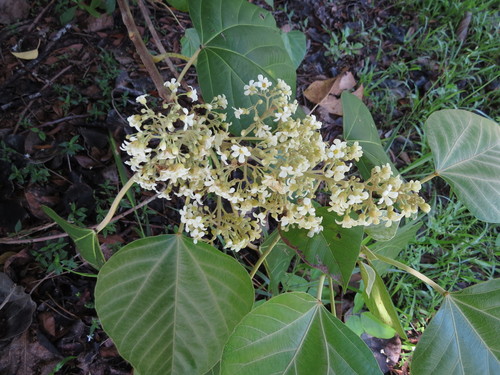
Rapid Reference Collection (RRC) | Field Museum of Natural History - Keller Science Action Center
Description
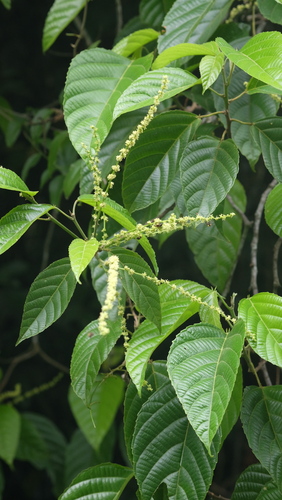
A tropical tree in the Euphorbiaceae family with angled branches. It produces seeds that can be eaten toasted or processed for oil.
This description is brief — help expand it
Edible Uses
The seeds are toasted and eaten whole, or mashed and processed to extract oil for use in soups.
Traditional Uses
The seeds are toasted and eaten. They are also mashed and the oil used as a soup.
This uses section is brief — help expand it
Distribution
It is a tropical plant.
Where It Grows
Amazon, Brazil, Ecuador, Peru, South America,
Also Known As
Inchi, Metabuayo, Pao podre
References (4)
- Daly, D. C., An Index of Common Names of Plants in Acre, Brazil. New York Botanical Garden Universidade Federal do Acre.
- Kermath, B. M., et al, 2014, Food Plants in the Americas: A survey of the domesticated, cultivated and wild plants used for Human food in North, Central and South America and the Caribbean. On line draft. p 193
- Macbride, J. F., 1951, Flora of Peru. Vol. 8 Part 3A No. 1. Field Museum Natural History. Chicago. p 154
- Vasquez, R. and Gentry, A. H., 1989, Use and Misuse of Forest-harvested Fruits in the Iquitos Area. Conservation Biology 3(4): 350f