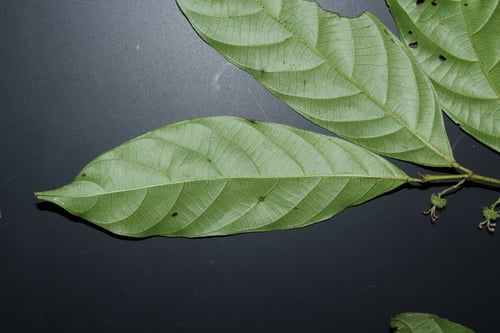
Hevea nitida
Mart. ex Mull.Arg.
Glossy rubber tree
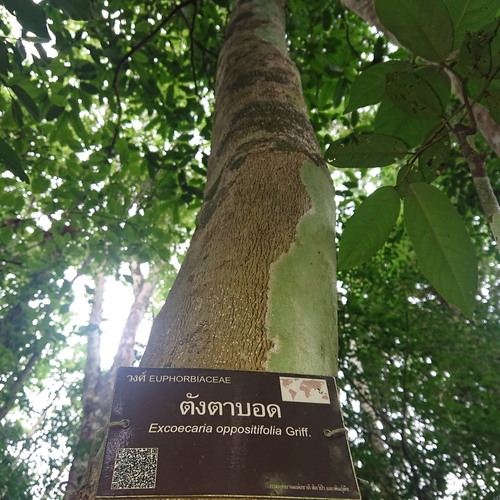
wikimedia· cc0
Wikimedia Commons - Eichler, August Wilhelm; Endlicher, István László; Fenzl, Eduard; Martius, Karl Friedrich Philipp von; Mary, Benj.; Oldenburg, R.; Urban, Ignaz
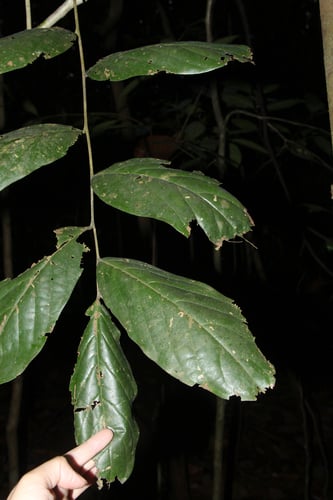
gbif· cc-by-nc
Andrew I. Gallardo : Field Museum of Natural History - Department of Zoology
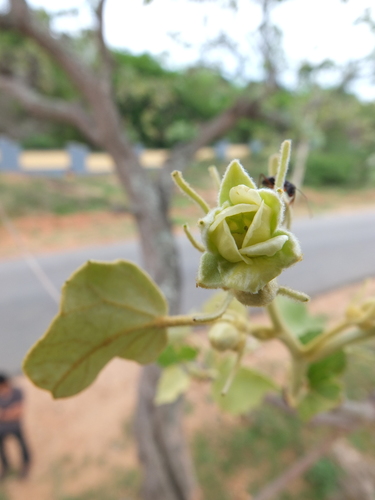
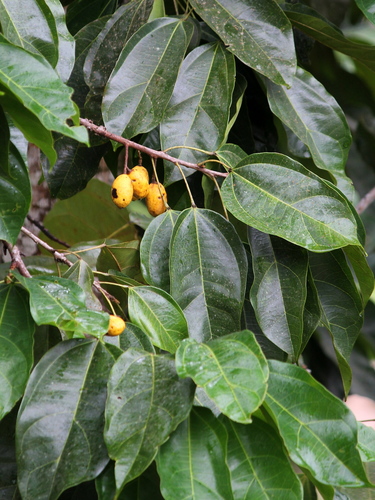
gbif· cc-by-nc
C. Dennis : Field Museum of Natural History - Botany Department
Summary
Source: WikipediaHevea nitida is a species of rubber tree in the genus Hevea, belonging to the family Euphorbiaceae. It is a medium-sized evergreen tree up to 27 m (90 ft) tall. It is native to the rainforests of northern Brazil and Colombia.
Description
A medium sized evergreen tree. The crown is sparse. It rgwos 28 m tall.
This description is brief — help expand it
Edible Uses
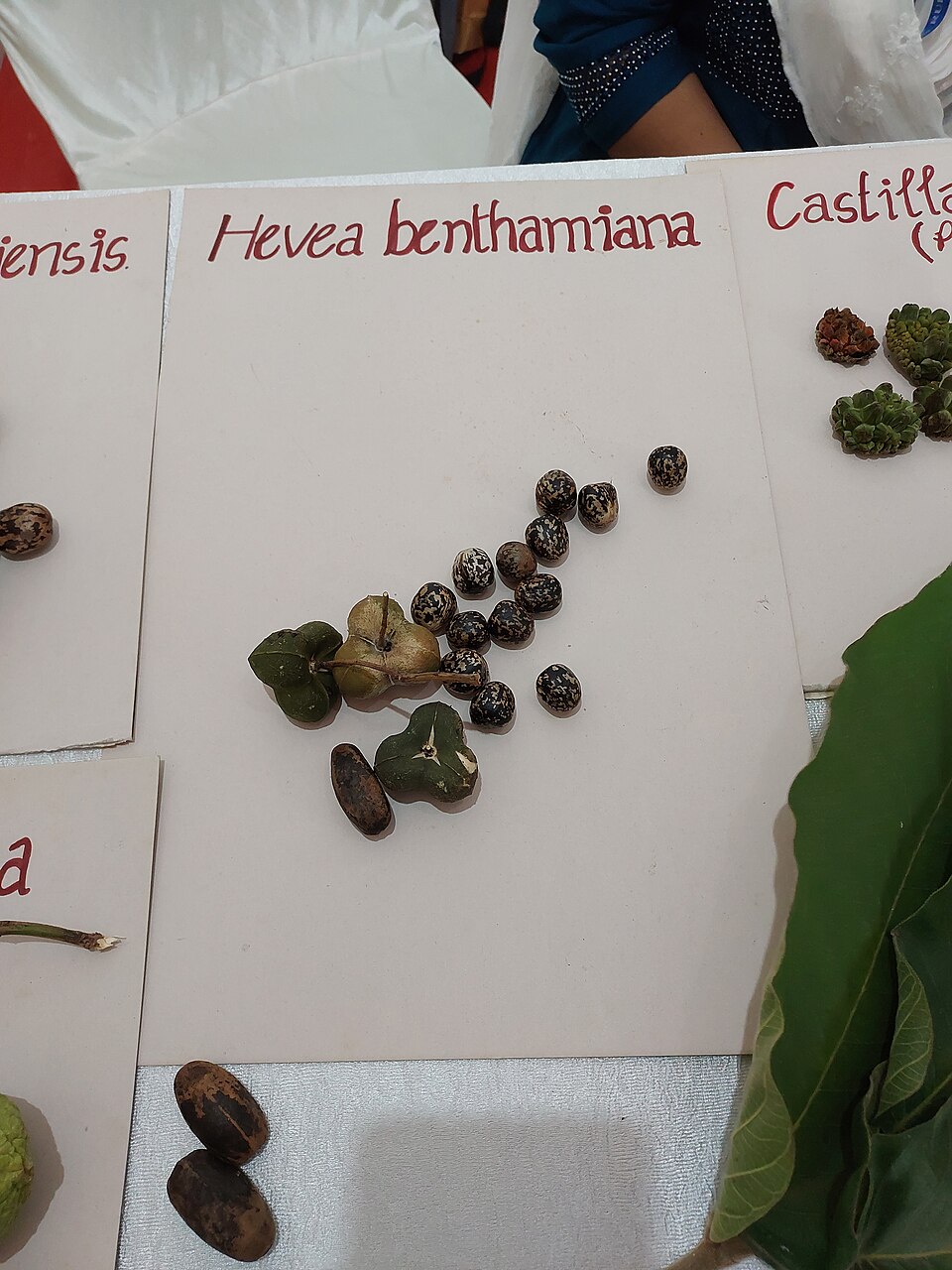
The seeds are poisonous when raw but can be eaten when well-boiled. Some native tribes consume them regularly, but others regard them as famine food only to be eaten at times of food scarcity. Tapping the tree gives a thin latex that has the undesirable quality of preventing coagulation when mixed with the latex from other rubber tree species.
Traditional Uses
The seeds are cooked and eaten. Caution: The seeds contain cyanide and and are poisonous unless well cooked.
This uses section is brief — help expand it
Known Hazards
The seeds contain cyanic compounds are poisonous to humans unless treated. See notes on edible uses below.
Distribution
It is a tropical plant. It grows in sparse forests on well-drained sandy soils. It can grow up to 1,000 m above sea level. It grows in 'Caatinga' dry forest where it is hot and dry. The average rainfall is 250-1,000 mm per year and the annual temperature is 24-26°C.
Where It Grows
Amazon, Brazil, Colombia, Peru, South America,
Cultivation
Plants are grown from seeds.
Other Uses
A thin, white latex is obtained from the tree. This latex is of no value as a source of rubber; indeed, if it is mixed (as has often happened when new jungle areas were opened to tapping) with the latex of other species, it acts as an anti-coagulant.
Other Information
In some places the seeds are an important food and in others only a famine food.
Also Known As
Ay-yeca, Basokee, Caucho, Jebe debil, Lechoco, Pegajoso, Shiringa, Siringa pegahosa, Yeckake
References (4)
- Fern, K., 2012, Tropical Species Database http://theferns.info/tropical/
- Grandtner, M. M. & Chevrette, J., 2013, Dictionary of Trees, Volume 2: South America: Nomenclature, Taxonomy and Ecology. Academic Press p 300
- Journal of the Arnold Arboretum Vol 37. 1956, http://www.bioversitylibrary.org
- Roa, J. A. G. & Boada, D. S. G., 2018, Fundación para el Fortalecimiento de la Fruticultura y Plantas Alimenticias no Convencionales en Colombia.