Hevea spruceana
(Benth.) Mull.Arg.
Para rubber tree
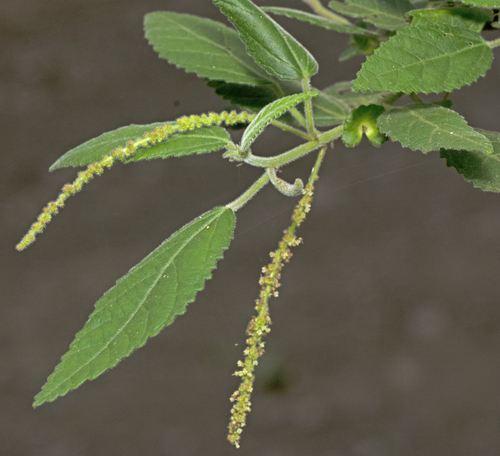
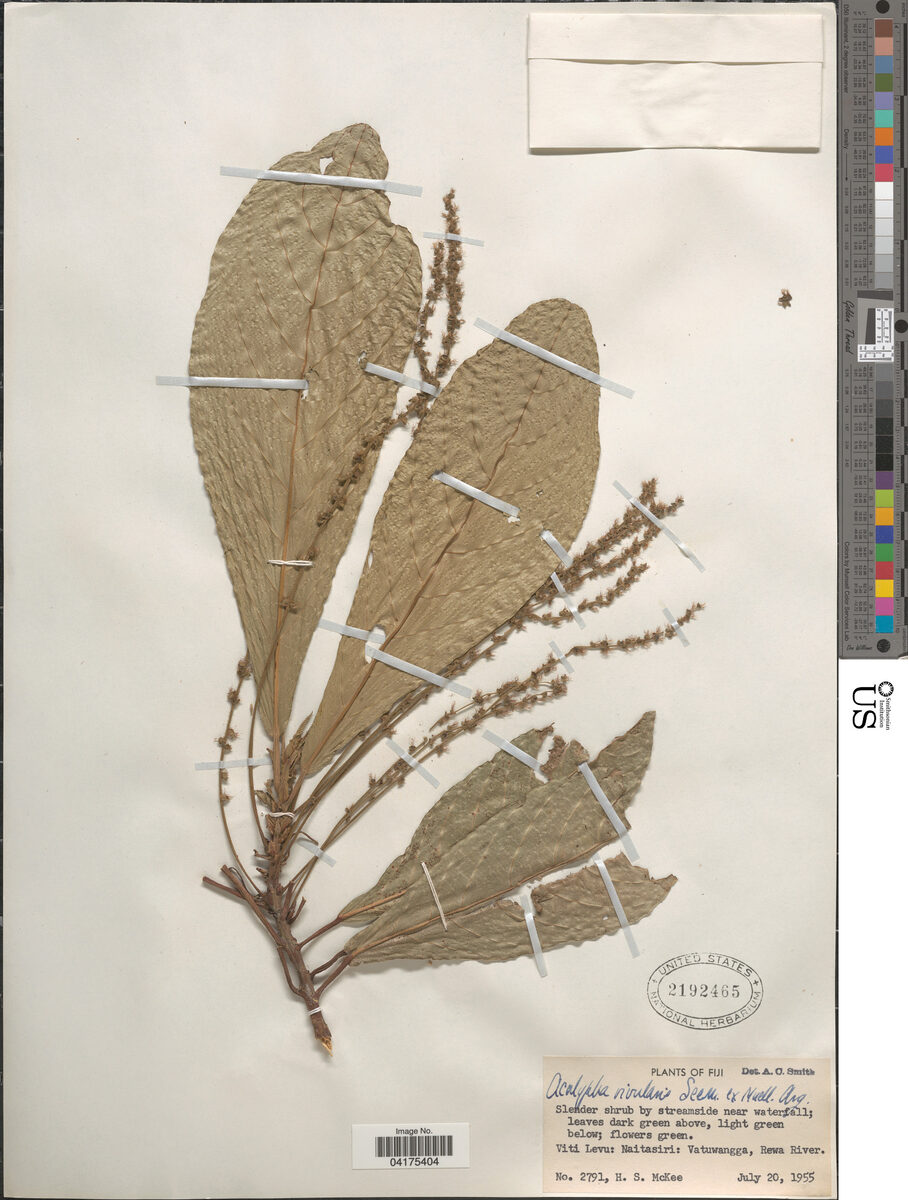
wikimedia· cc0
Wikimedia Commons - Vis M
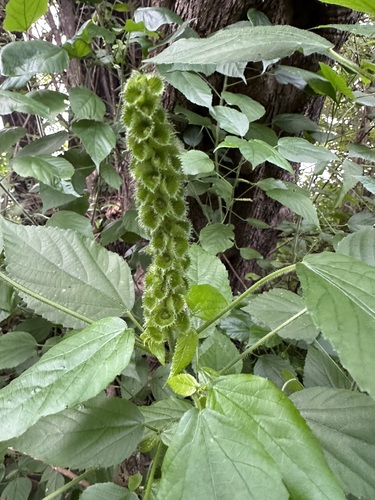
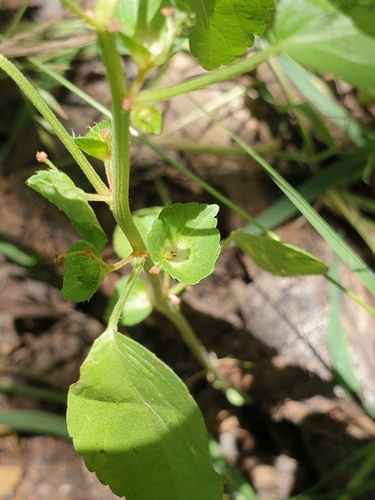
iNaturalist· cc-by
(c) Enrique Salazar, niektóre prawa zastrzeżone (CC BY), przesłane przez użytkownika Enrique Salazar
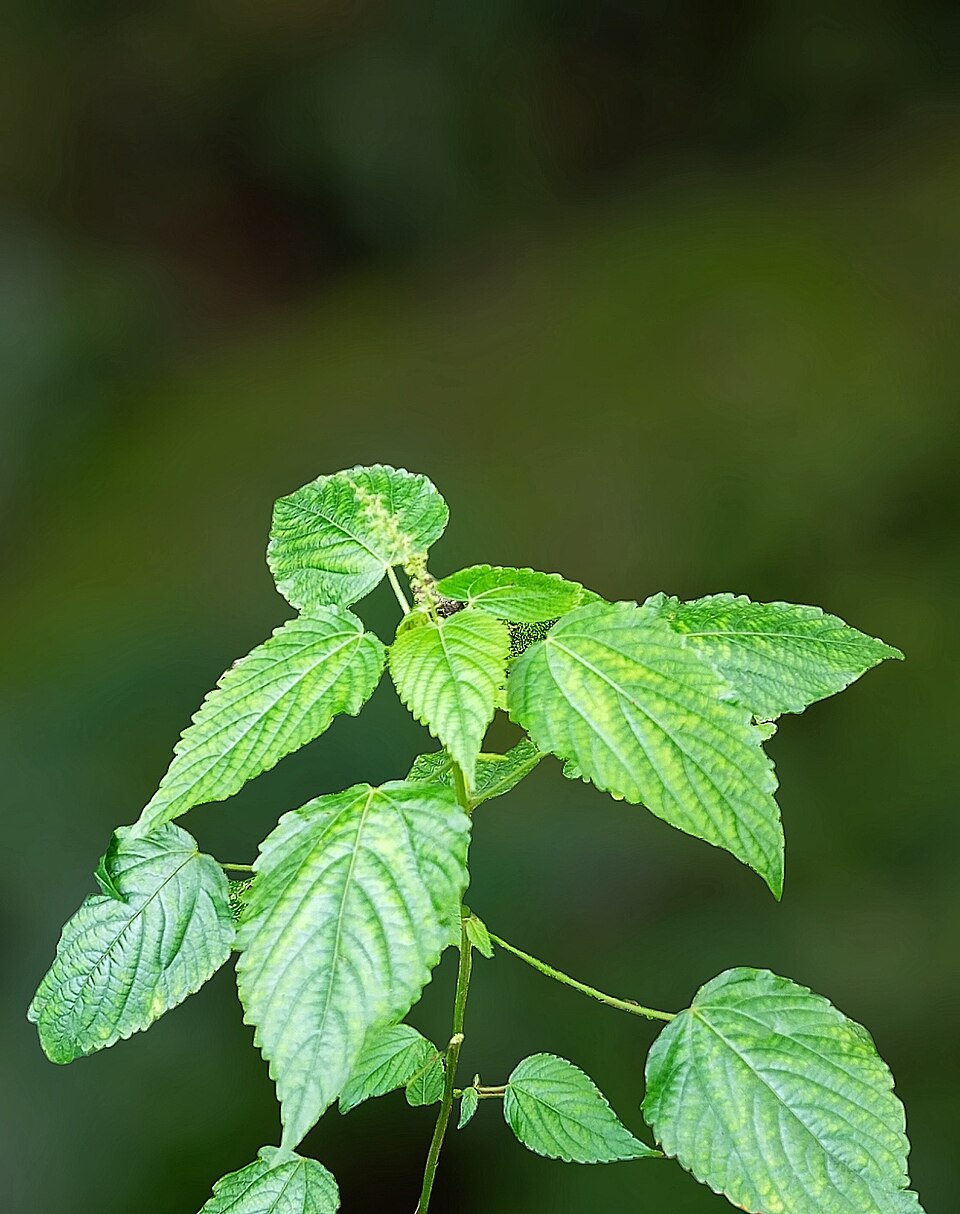
iNaturalist· cc-by
(c) Enrique Salazar, niektóre prawa zastrzeżone (CC BY), przesłane przez użytkownika Enrique Salazar
Summary
Source: WikipediaHevea spruceana is a species of rubber tree in the genus Hevea, belonging to the family Euphorbiaceae. It is native to the rainforests of northern Brazil and Guyana. It is named in honour of the English botanist Richard Spruce who spent the years 1849 to 1864 exploring the Amazon basin and sending botanical specimens back to Europe.
Description
An deciduous tree. It grows 40 m tall. The trunk is swollen at the base. The bark is smooth and brown. The leaves are arranged in spirals. They are compound and the leaflets are narrowly oval. The flowers are small and yellow. The fruit is a capsule exploding into 3 lobes.
Edible Uses
The seeds are cooked and eaten, and in some places are an important food source, while in others they are only eaten during famines.
Traditional Uses
The seeds are cooked and eaten. Caution: The seeds contain cyanide and are poisonous unless well cooked.
This uses section is brief — help expand it
Known Hazards
The seeds contain cyanide and are poisonous unless well cooked.
Distribution
It is a tropical plant. It grows in low and deeply flooded river-banks in the rainforest.
Where It Grows
Asia, Bolivia, Brazil*, Colombia, Guyana, Indonesia, SE Asia, South America,
Cultivation
Plants are grown from seeds. It can also be grown from cuttings.
Other Uses
A latex obtained from the plant can be used to make rubber. The plant yields a watery, white latex that is almost devoid of rubber.
Other Information
In some places the seeds are an important food and in others only a famine food.
Synonyms
Also Known As
Pohon karet para
References (4)
- Fern, K., 2012, Tropical Species Database http://theferns.info/tropical/
- Journal of the Arnold Arboretum Vol 37. 1956, http://www.bioversitylibrary.org
- Roa, J. A. G. & Boada, D. S. G., 2018, Fundación para el Fortalecimiento de la Fruticultura y Plantas Alimenticias no Convencionales en Colombia.
- Sukarya, D. G., (Ed.) 2013, 3,500 Plant Species of the Botanic Gardens of Indonesia. LIPI p 323