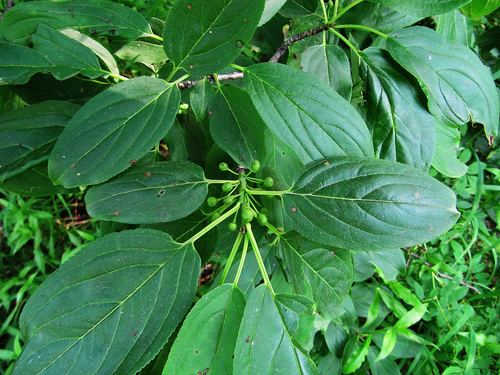
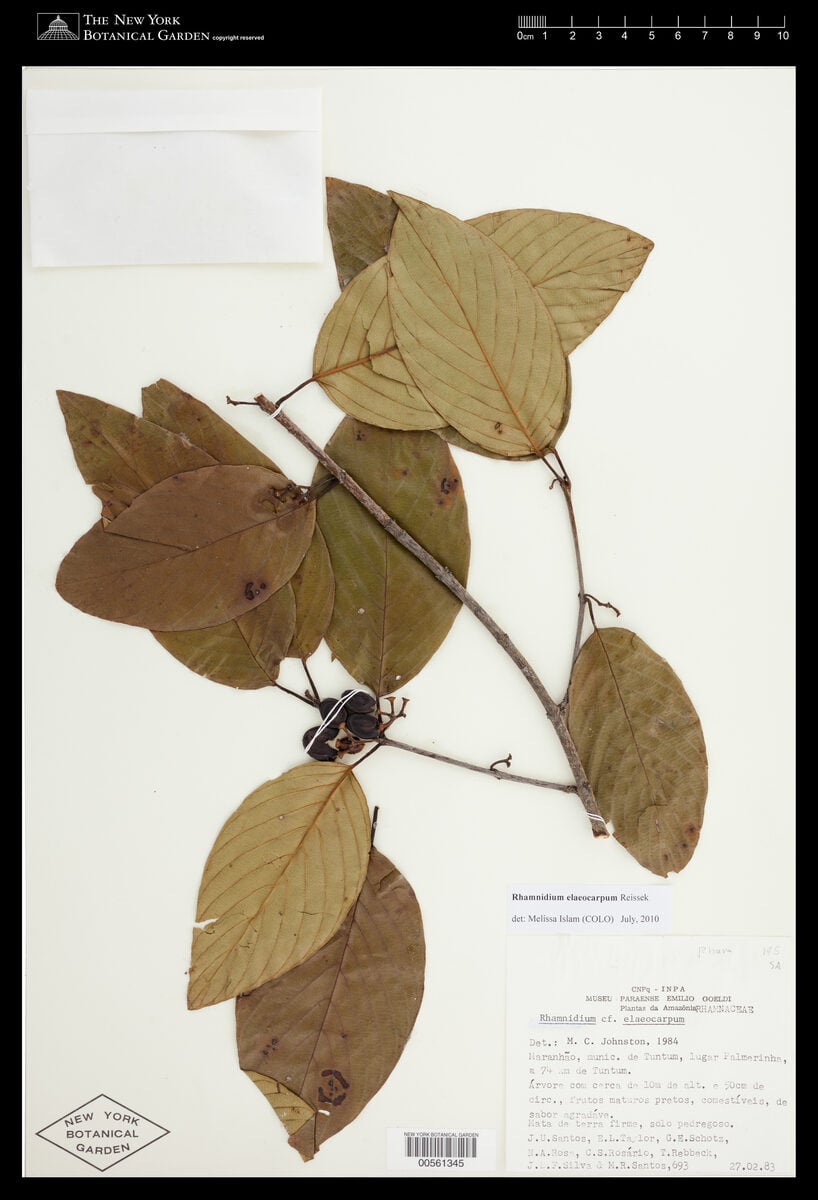
Rhamnus alpina
L.
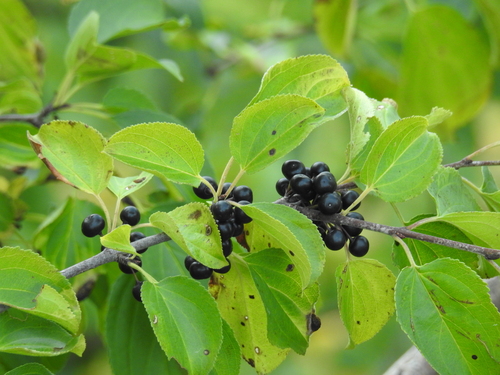
iNaturalist· cc-by-nc
(c) Stefano Doglio, some rights reserved (CC BY-NC), uploaded by Stefano Doglio
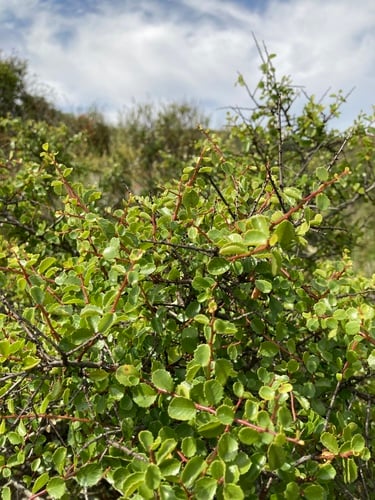
iNaturalist· cc-by-nc
(c) felixf, some rights reserved (CC BY-NC)
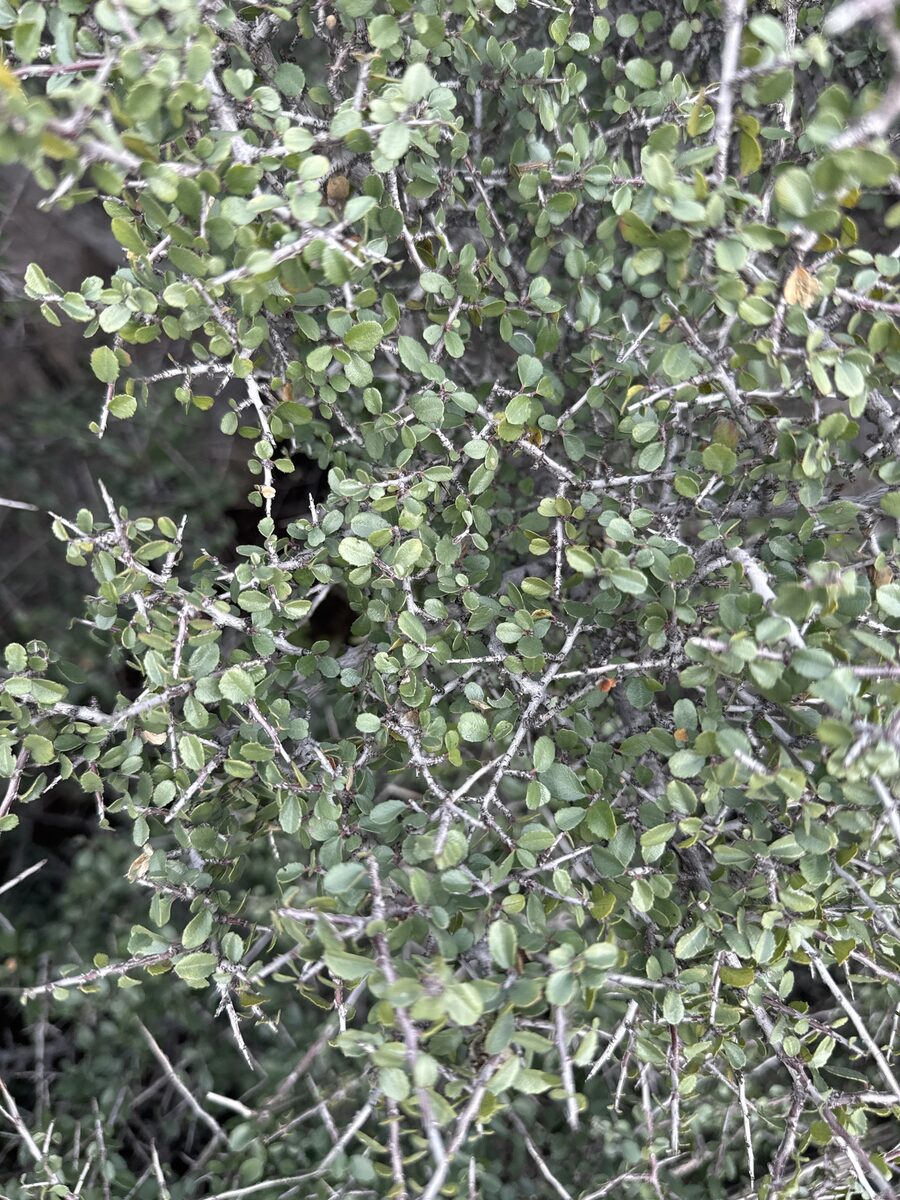
iNaturalist· cc-by-nc
(c) Irena Hrovat, some rights reserved (CC BY-NC)
Description
A temperate shrub or small tree in the Rhamnaceae family.
This description is brief — help expand it
Edible Uses
The fruit are eaten as a snack.
Traditional Uses
The fruit are eaten as a snack.
This uses section is brief — help expand it
Medicinal Uses
The fruit of most species contain a yellow dye and the seeds are rich in protein. Oils from the seeds are used for making lubricating oil, printing ink, and soap. Many species have been used to make dyes. R. utilis provides china green, a dye used to give a bright green color to silk and wool. The bark of some species of Rhamnus afford a beautiful yellow dye. The fruit of the Avignon buckthorn (R. saxatilis), called the Persian berry, produces a yellow dye. Some species may cause demyelinating polyneuropathies. The purging buckthorn (R. cathartica) is a widespread European native species used in the past as a purgative. It was in mid 17th-century England the only native purgative. It was also known pre-Linnaeus as Spina Cervina. The berries of Spina Cervina are black and contain a greenish juice, along with four seeds apiece; this serves to distinguish them from those of the black alder and dogberry, which contain only one or two apiece. Its syrup is said to be churlish. Its toxicity makes this a very risky herbal medicine, and it is no longer in use. Rhamnus prinoides is known as gesho in Ethiopia, where it is used to make a mead called tej. The species Rhamnus alaternus shows some promise for medicinal use as well.
Distribution
It is a temperate plant.
Where It Grows
Andorra, Balkans, Europe, Macedonia,
References (1)
- Pieroni, A. et al, 2013, One century later: the folk botanical knowledge of the last remaining Albanians of the upper Reka Valley, Mount Korab, Western Macedonia. Journal of Ethnobiology and Ethnomedicine. 9:22