Berchemia floribunda
(Wall.) Brongn.
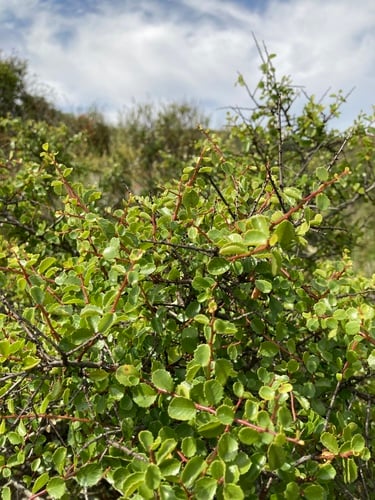
iNaturalist· cc-by-nc-nd
(c) Sunnetchan, some rights reserved (CC BY-NC-ND), uploaded by Sunnetchan
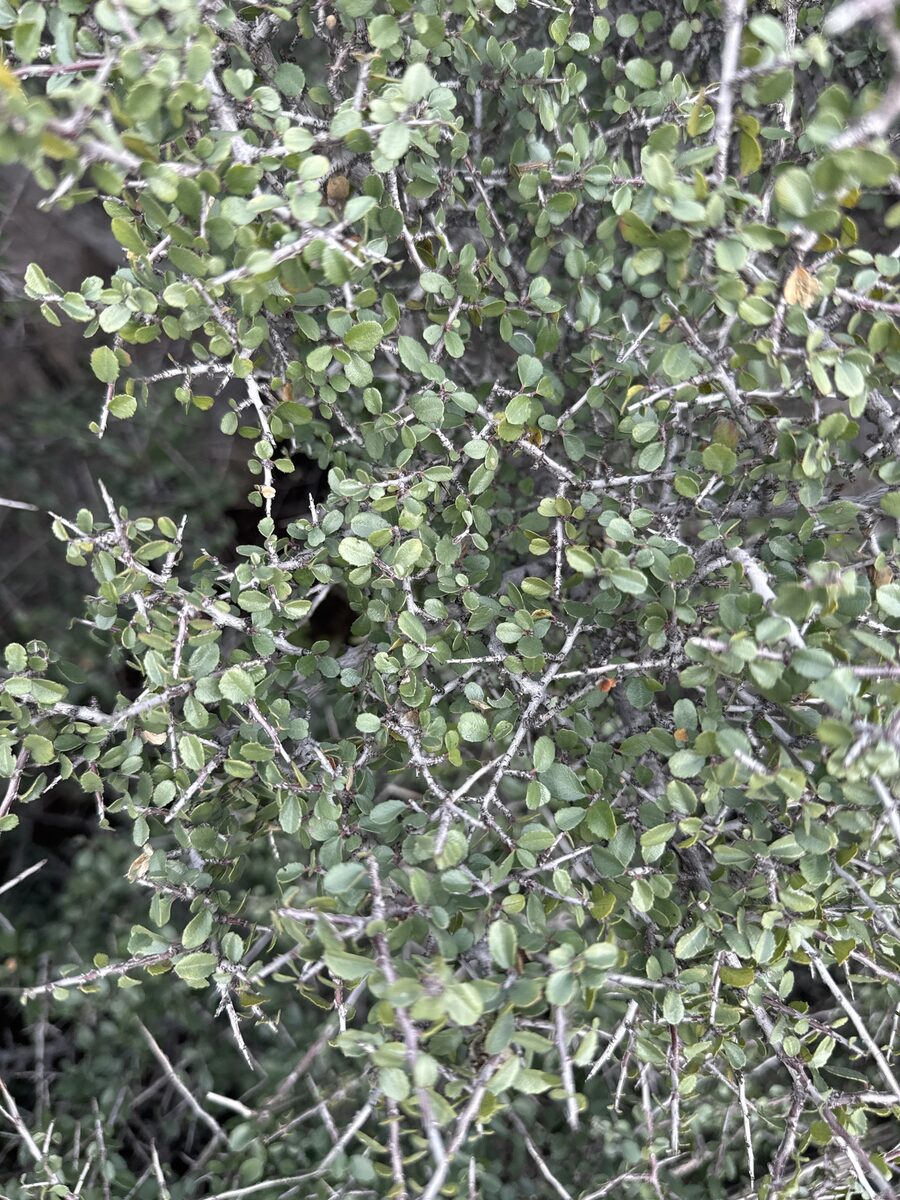
iNaturalist· cc-by-nc
(c) stimes, some rights reserved (CC BY-NC)
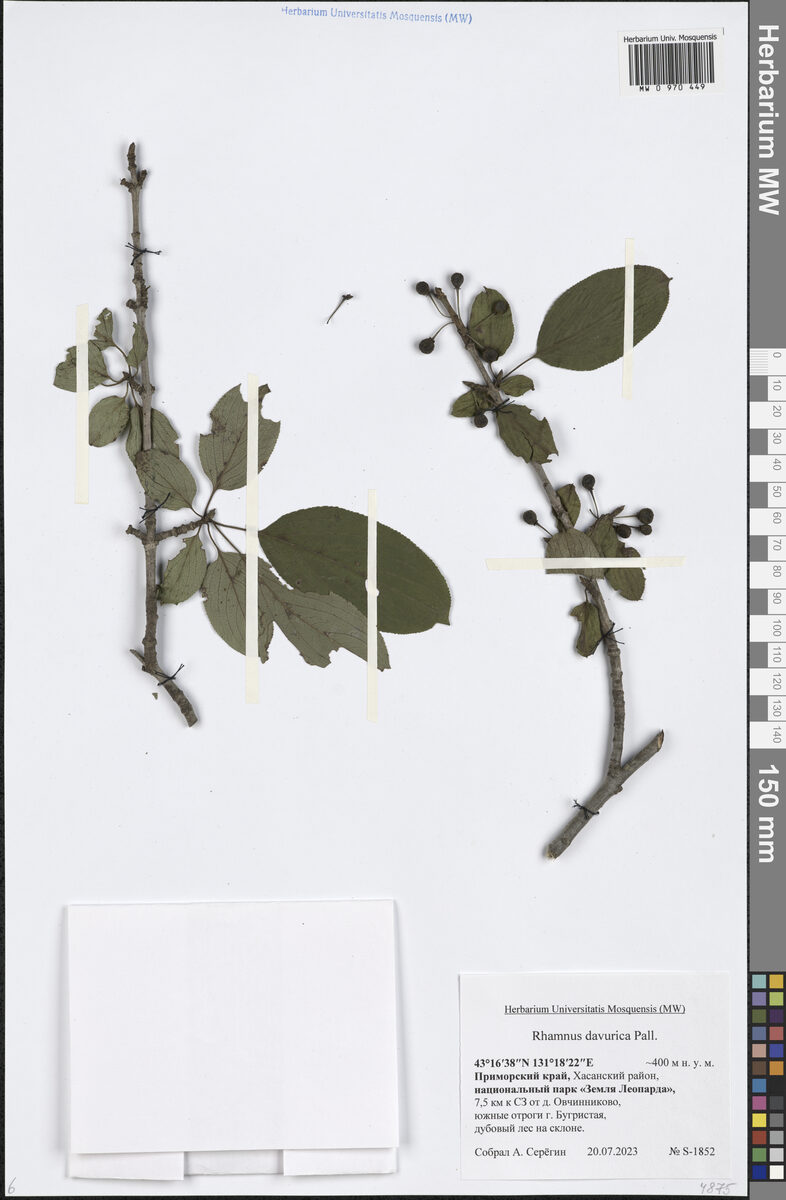
iNaturalist· cc-by-nc
(c) stimes, some rights reserved (CC BY-NC)
Description
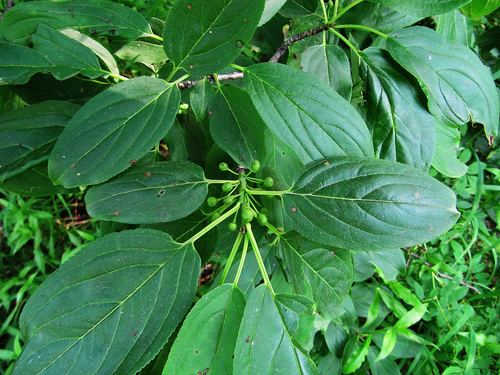
A large twining shrub. The twigs are cylinder shape and tapering. The leaves are 5-12 cm long by 3-4 cm wide. They are narrowly oval. They are more pale underneath. The flowers are in tufts of 3-6. They are in large groups 12-15 cm long at the ends of branches. The fruit is fleshy and 8-20 mm long. The seed is covered in a hard coat and is flattened and smooth.
Edible Uses
The roots are cooked with pig feet or egg. The leaves are used as a vegetable or brewed as tea. The fruit is also edible.
Traditional Uses
The root is cooked with pig feet or egg. The leaves are used as a vegetable.
This uses section is brief — help expand it
Medicinal Uses
No medicinal uses recorded in available data.
Distribution
It is a tropical plant. It grows in mountain forests and the edges of forests below 2,600 m in China. In Sichuan and Yunnan.
Where It Grows
Asia, Bangladesh, Bhutan, China, Himalayas, India, Indochina, Korea, Laos, Myanmar, Nepal, Northeastern India, Pakistan, SE Asia, Sikkim, Taiwan, Thailand, Tibet, Vietnam,
Notes
There are 12 Berchemia species.
Synonyms
Also Known As
Amili, Helonia, Kala lag, Kouloi, Rungyeong rik, Sugreekung, Year ao, Year-ow
References (6)
- Altschul, S.V.R., 1973, Drugs and Foods from Little-known Plants. Notes in Harvard University Herbaria. Harvard Univ. Press. Massachusetts. no. 2627
- Ambasta S.P. (Ed.), 2000, The Useful Plants of India. CSIR India. p 71
- Ann. Sci. Nat., Bot. ser. 1, 10:357. 1826
- Gangwar, A. K. & Ramakrishnan, P. S., 1990, Ethnobotanical Notes on Some Tribes of Arunachal Pradesh, Northeastern India. Economic Botany, Vol. 44, No. 1 pp. 94-105
- Hu, Shiu-ying, 2005, Food Plants of China. The Chinese University Press. p 528
Show all 6 references Hide references
- Murtem, G. & Chaudhrey, P., 2016, An ethnobotanical note on wild edible plants of Upper Eastern Himalaya, India. Brazilian Journal of Biological Sciences, 2016, v. 3, no. 5, p. 63-81.