Berchemia racemosa
Siebold. & Zucc.
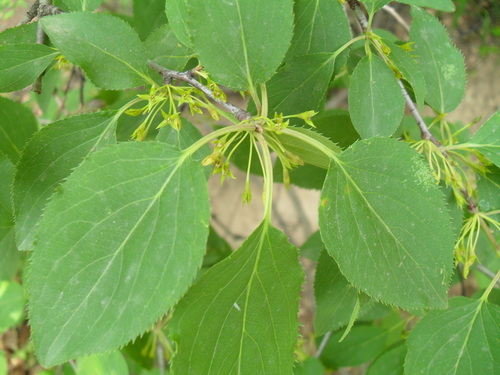
iNaturalist· cc-by-nc
(c) Dailun Shi, some rights reserved (CC BY-NC)
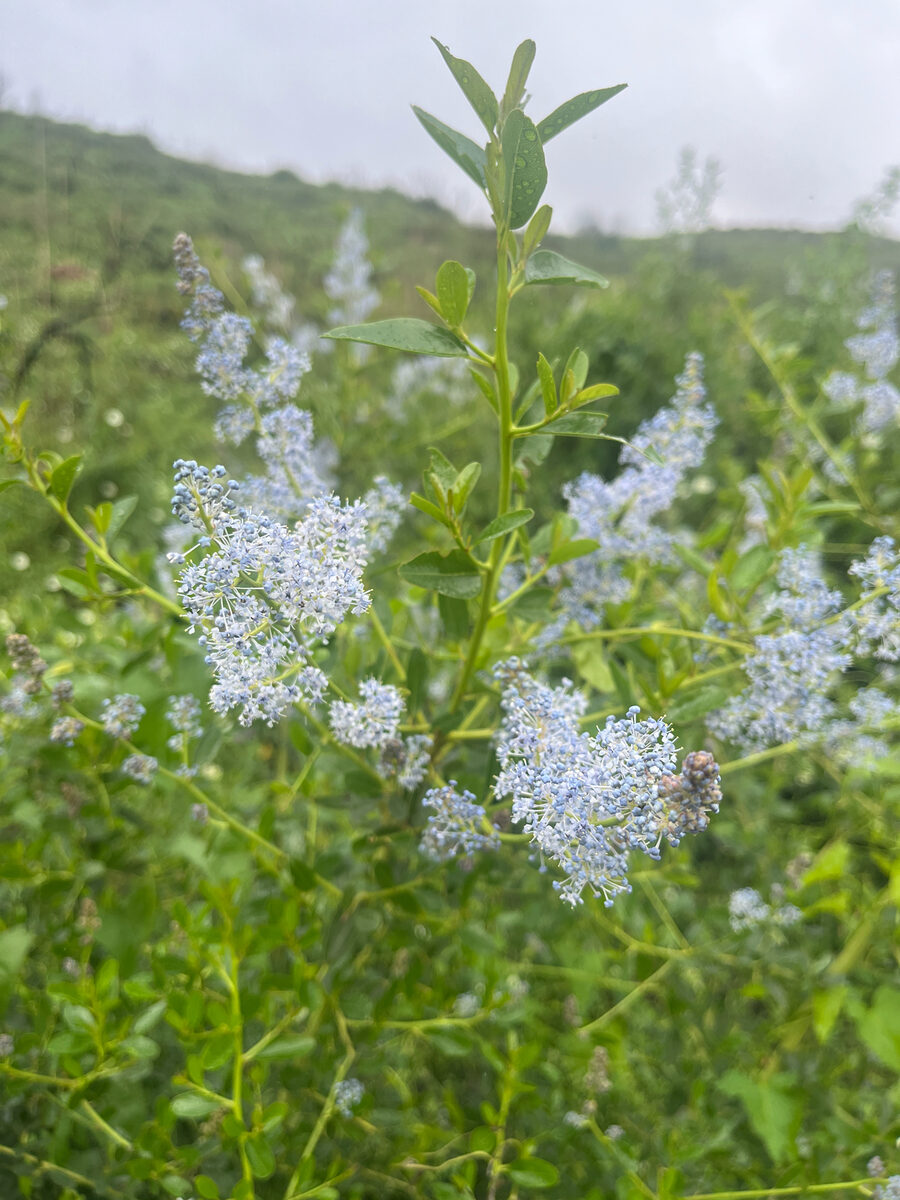
iNaturalist· cc-by-nc
(c) stimes, some rights reserved (CC BY-NC)
iNaturalist· cc-by-nc
(c) stimes, some rights reserved (CC BY-NC)
Summary
Source: WikipediaBerchemia racemosa, commonly known as paniculous supplejack, is a shrub in the genus Berchemia.
Description
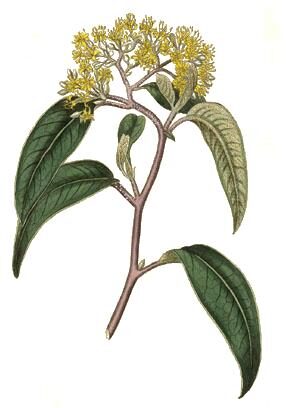
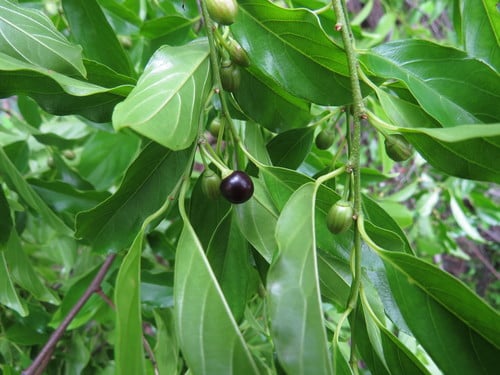
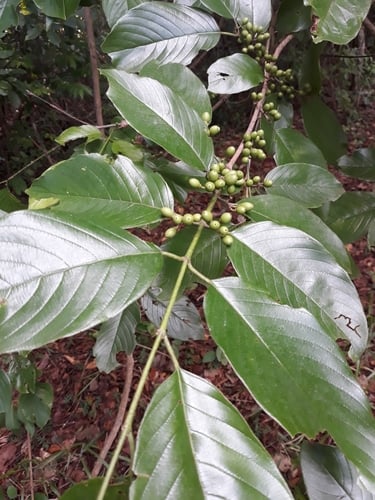
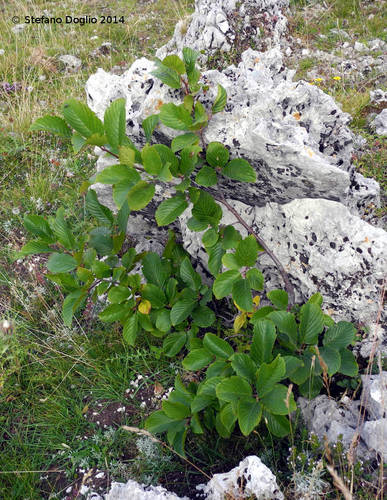
A shrub that loses its leaves. It grows 4 m high and spreads 1.5 m across. The stem is erect and the branches are slender. The leaves are oval and taper to the end. They are bright green. The flowers are small and white. The fruit are red berries that turn black as they ripen.
Edible Uses
Edible Parts: Fruit Leaves Edible Uses: Tea Fruit. The ripe fruit is eaten. The fruit is about 8mm in diameter. Leaves - cooked and used as a vegetable. The leaves are a tea substitute.
Traditional Uses
The ripe fruit are edible but tasteless.
This uses section is brief — help expand it
Medicinal Uses
None known
Distribution
It is a tropical plant. It is best in light sandy soils. It can be in swamps. It needs a protected sunny position. It is damaged by drought or frost.
Where It Grows
Asia, Australia, Britain, China, Europe, Japan*,
Cultivation
Requires a good moist well-drained loam, succeeding in full sun if the soil does not dry out otherwise it is best in light shade. Plants are hardy to about -15°c. Plants climb by means of twining around supports. They are useful for covering walls, fences and tree stumps. The fruit takes about one year to ripen. It is only produced in Britain after a hot summer. Plants do not normally require pruning.
Propagation
Seed - sow spring or autumn in a cold frame. When they are large enough to handle, prick the seedlings out into individual pots and grow them on in the greenhouse for at least their first winter. Plant them out into their permanent positions in late spring or early summer, after the last expected frosts. Cuttings of half-ripe wood, July/August in a frame. Cuttings of mature wood of the current season's growth, November to January in a frame. Root cuttings in winter. Layering of young stems in winter.
Other Uses
None known Special Uses
Notes
There are 12 Berchemia species.
Synonyms
References (3)
- Abh. Math.-Phys. Cl. Kounigl. Bayer. Akad. Wiss. 4(2):147. 1843
- Bodkin, F., 1991, Encyclopedia Botanica. Cornstalk publishing, p 142
- Plants for a Future database, The Field, Penpol, Lostwithiel, Cornwall, PL22 0NG, UK. http://www.scs.leeds.ac.uk/pfaf/