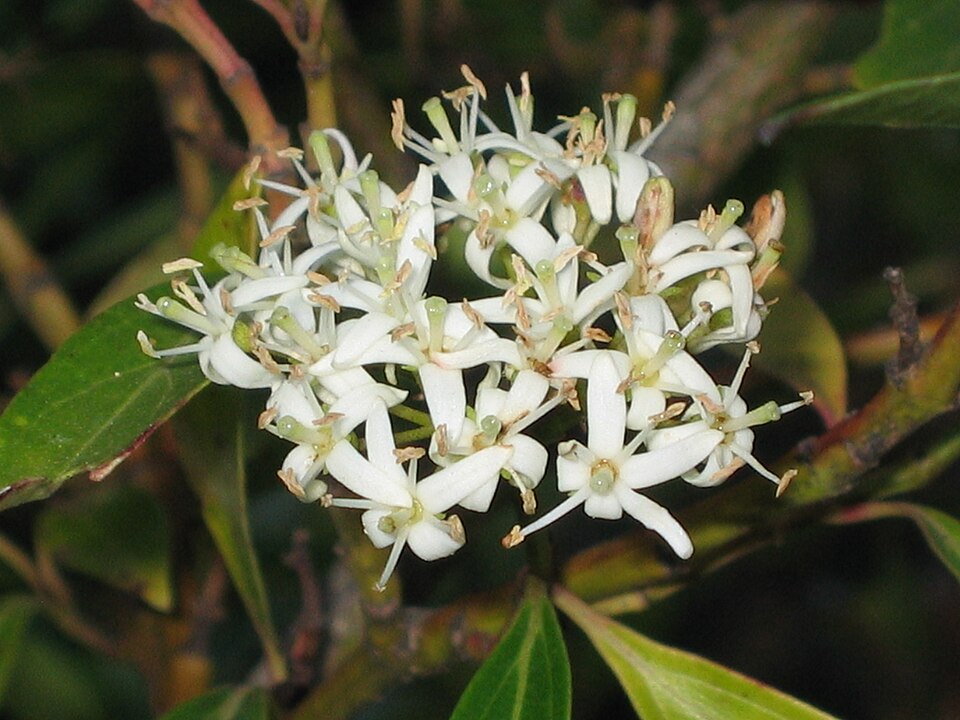
Davidia involucrata var. vilmoriniana
Baill., (Dode) Wangerin
iNaturalist· cc-by-nc-sa
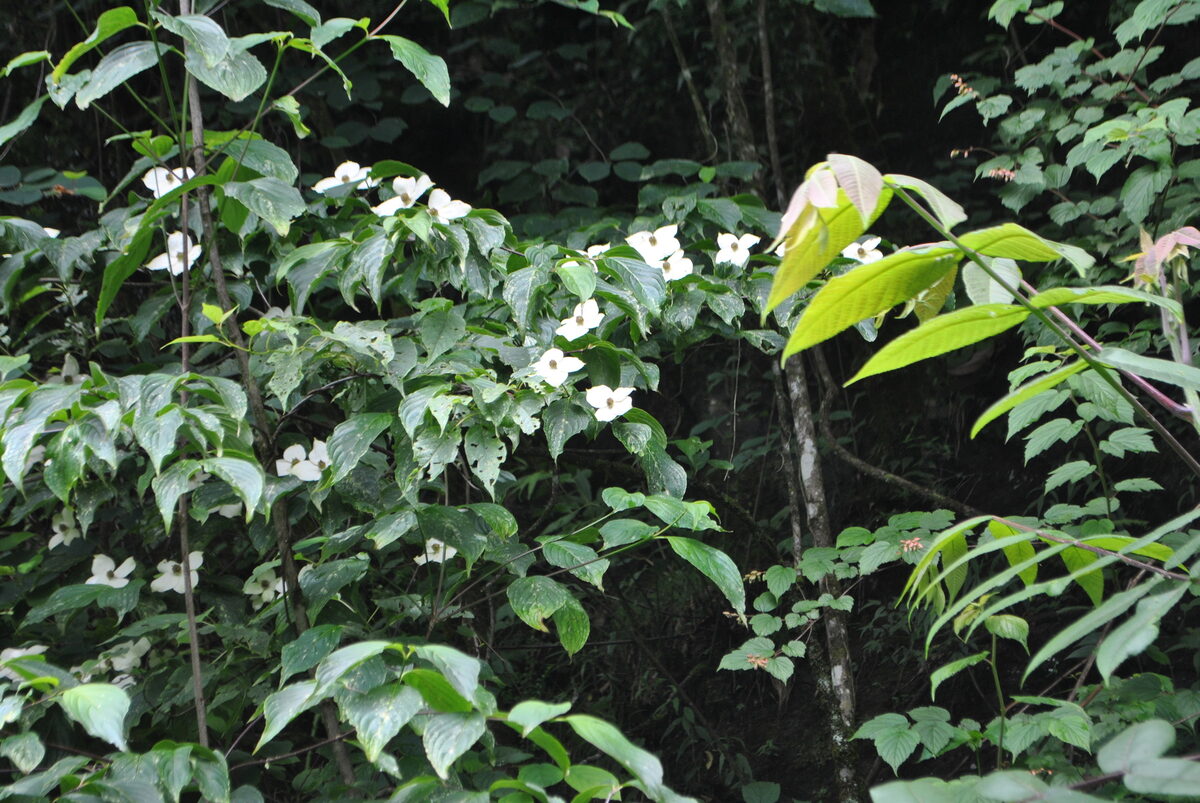
(c) marie, some rights reserved (CC BY-NC-SA)
iNaturalist· cc-by-nc
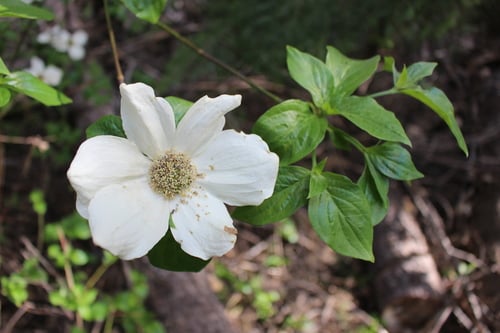
(c) Thorsten Usée, some rights reserved (CC BY-NC), uploaded by Thorsten Usée
iNaturalist· cc-by-nc
(c) FoodForestNZ, some rights reserved (CC BY-NC), uploaded by FoodForestNZ
Summary
Source: WikipediaDavidia involucrata, the dove tree, ghost tree, handkerchief tree, pocket handkerchief tree, or is a medium-sized deciduous tree in the family Nyssaceae. It is the only living species in the genus Davidia. It was previously included with tupelos in the dogwood family, Cornaceae. Fossil species are known extending into the Upper Cretaceous.
Description
A tree. It grows 20 m tall. It loses its leaves during the year. The leaves have a few silky hairs underneath when young. They are broadly oval and 8-15 cm long by 7-12 cm wide. There are teeth along the edge. The fruit occur singly. They are green with a purple shine. They are pear shaped and 3-4 cm long by 2 cm wide.
Edible Uses
The fruit are eaten fresh.
Traditional Uses
Fruit are eaten fresh.
This uses section is brief — help expand it
Distribution
It is a subtropical plant. It grows in mixed forests between 1,100-2,600 m above sea level. It grows in Sichuan and Yunnan in China.
Where It Grows
Asia, China, Tibet,
Production
In Yunnan fruit are available in September and October.
Notes
Also put in the family Nyssaceae.
Also Known As
Labizi, Ru ra
References (2)
- Cheng, Z., et al, 2022, Ethnobotanical study on wild edible plants used by Dulong people in northwestern Yunnan, China. Journal of Ethnobiology and Ethnomedicine (2022) 18:3
- Ju, Y., et al, 2013, Eating from the wild: diversity of wild edible plants used by Tibetans in Shangri-la region, Yunnan, China, Journal of Ethnobiology and Ethno medicine 9:28