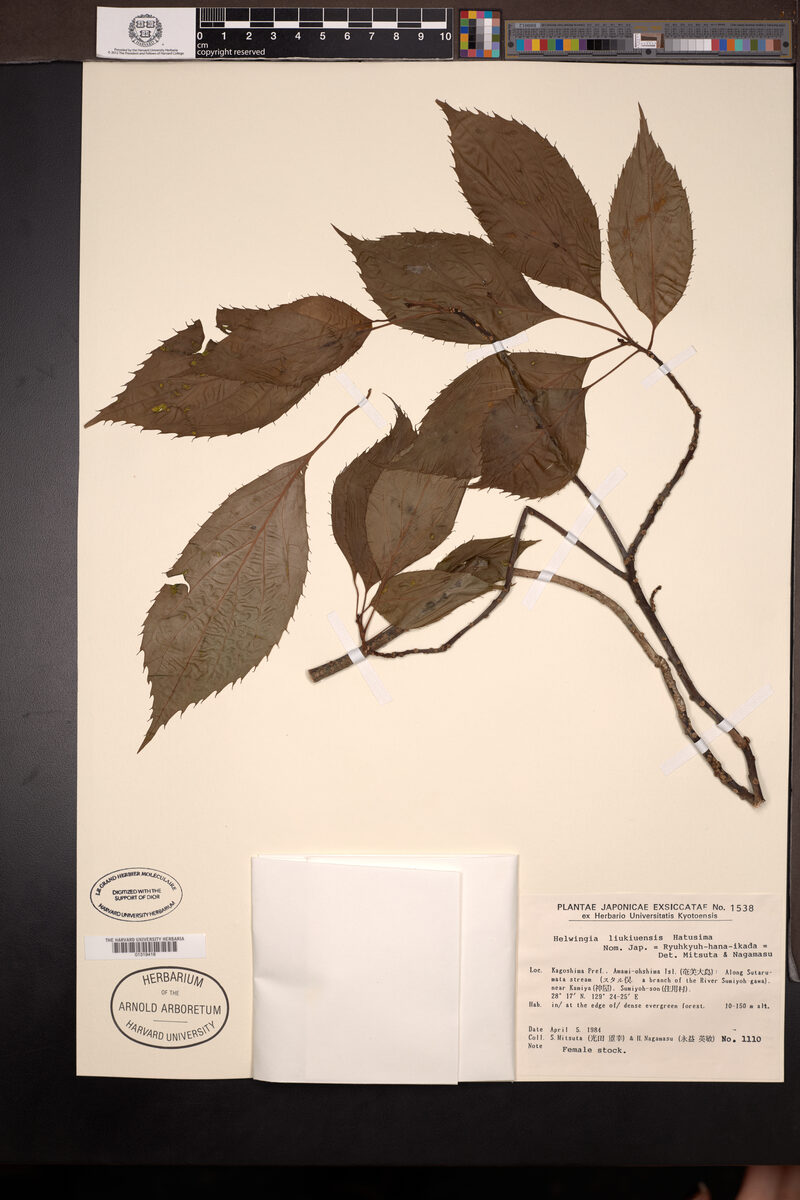
Alangium chinense
(Lour.) Harms
Alangier, Chinese alangium
iNaturalist· cc-by-nc
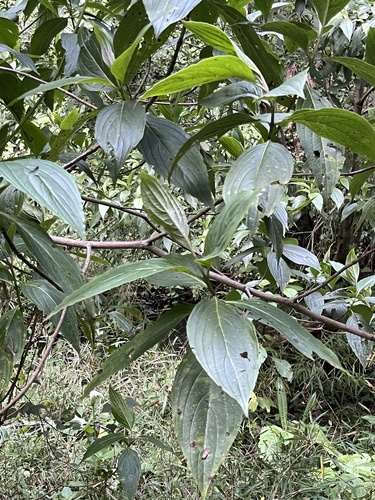
(c) biobank-lantauhk, some rights reserved (CC BY-NC), uploaded by biobank-lantauhk
iNaturalist· cc-by-nc
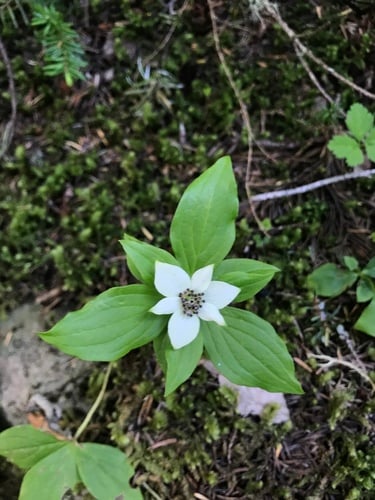
(c) 雨林木风, some rights reserved (CC BY-NC), uploaded by 雨林木风
iNaturalist· cc-by
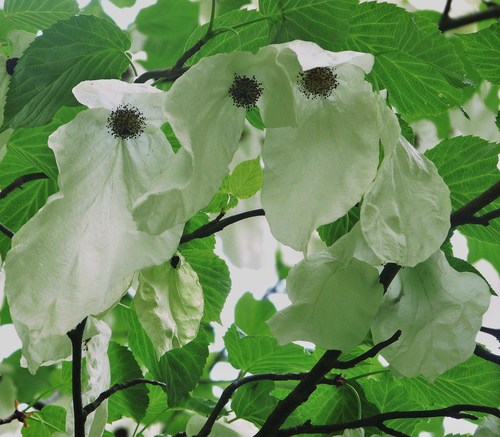
(c) Toby Y, some rights reserved (CC BY), uploaded by Toby Y
Summary
Source: WikipediaAlangium chinense is a species of flowering plant in the family Cornaceae. It has the Chinese name (Chinese: 八角枫; pinyin: bā jiǎo fēng).
Description
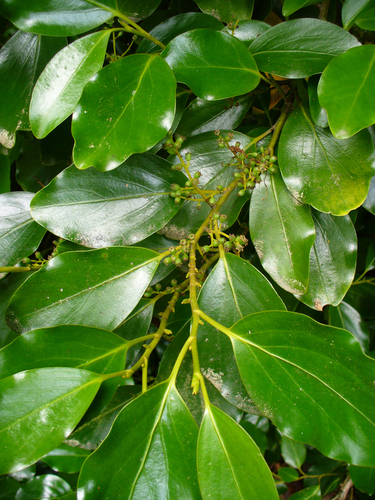
A shrub or small tree. It grows 3-5 m tall. The young branches are hairy. The leaves are oval and 8-20 cm long by 5-12 cm wide. Underneath their are hairs where the veins join. There are 3-15 flowers in a group. The flowers are 2 cm across. The fruit is oval and 5-7 mm across. There is one seed.
Edible Uses
An oil can be extracted from the seeds and is used for burning in lamps, though no edible uses are currently documented for this species.
Medicinal Uses
This plant holds an established place in Chinese herbalism and is counted among the 50 fundamental herbs. The roots and stems act as a blood tonic, carminative, and contraceptive, and are used to treat rheumatism, numbness, traumatic injuries, wounds, and snakebites. A decoction of the leafy shoots is considered tonic. A paste made from the roots is applied around dislocated joints to assist in setting. The shoots, root bark, and whole plant are all used medicinally.
Distribution
It is a tropical plant. It grows on the edges of forests and in exposed places below 2,500 m above sea level. It needs well-drained moist soils. In Sichuan and Yunnan.
Where It Grows
Africa, Asia, Bhutan, Cameroon, China, East Africa, Ethiopia, Himalayas, India, Indochina, Indonesia, Kenya, Laos, Mozambique, Nepal, Nigeria, Northeastern India, Rwanda, Sao Tome and Principe, SE Asia, Sikkim, Taiwan, Tanzania, Tibet, Vietnam, West Africa, Zimbabwe,
Cultivation
Plants can be grown by seeds or cuttings.
Propagation
No specific germination details are available for this species. Sowing seed in a greenhouse in spring is recommended. Prick seedlings into individual pots once large enough to handle and grow on under glass through at least their first winter. Plant out in early summer, with some cold protection advisable during the first winter outdoors. Half-ripe cuttings can be taken in July/August in sand in a frame.
Other Uses
An oil extracted from the seeds is used to fuel lamps. The plant is also noted for its scent.
Synonyms
Also Known As
Firfire, Pohon alangi cina, Singarey, Umuruundambaazo
References (5)
- Chinh, N. N., et al, 1996, Vietnam Forest Trees. Agricultural Publishing House. Hanoi. p 29
- Dash, S. S. & Singh, P. Trees of Sikkim
- PROTA
- Sukarya, D. G., (Ed.) 2013, 3,500 Plant Species of the Botanic Gardens of Indonesia. LIPI p 115
- World Checklist of Useful Plant Species 2020. Royal Botanic Gardens, Kew