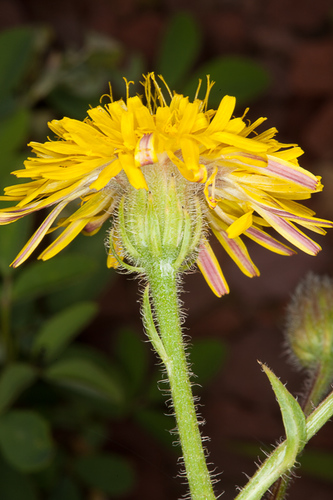
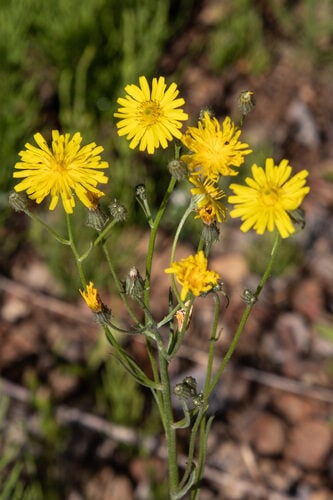
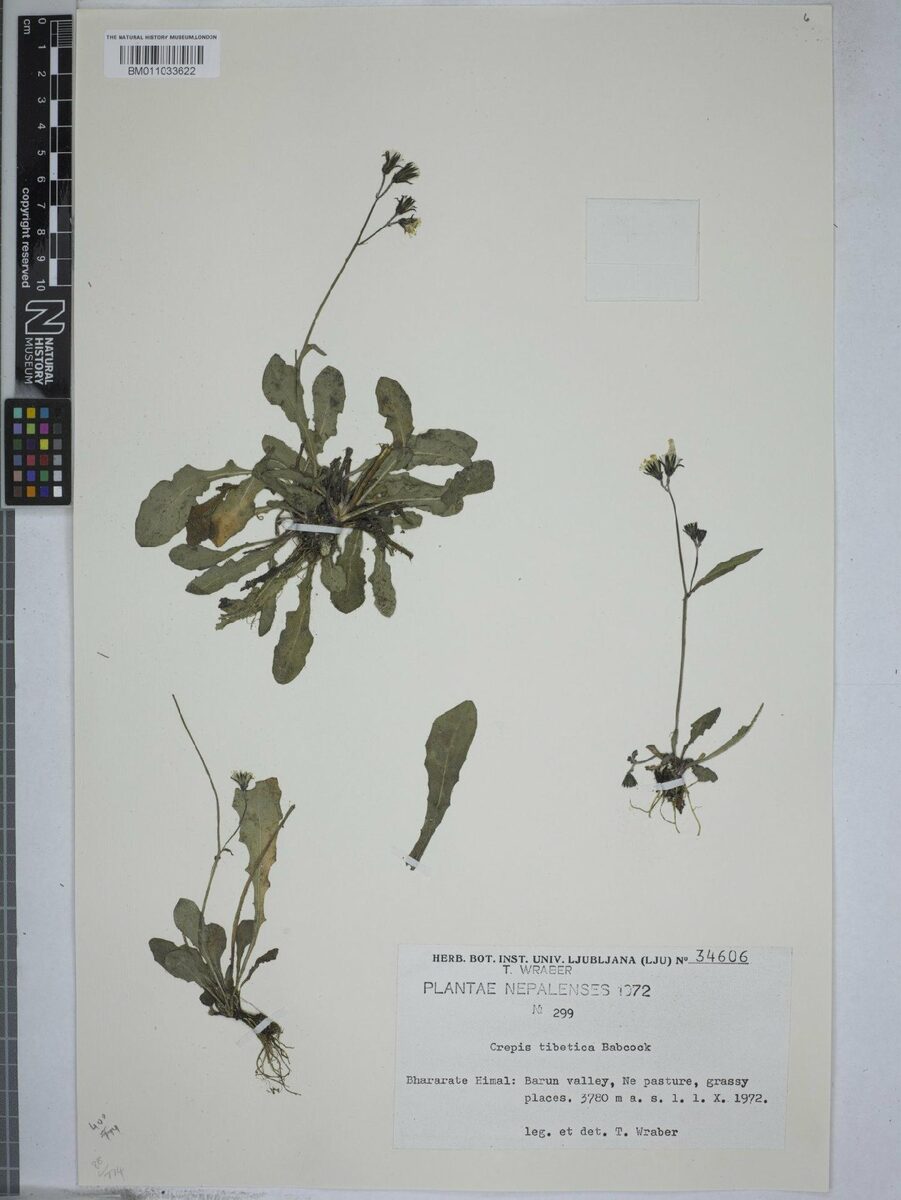
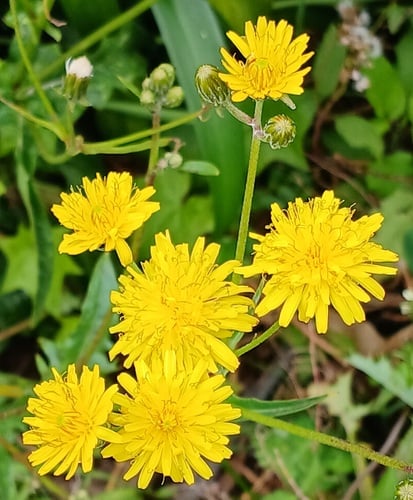
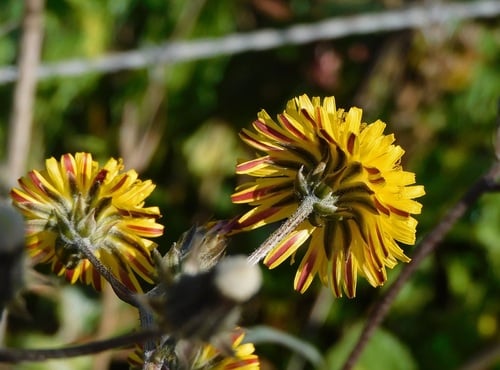
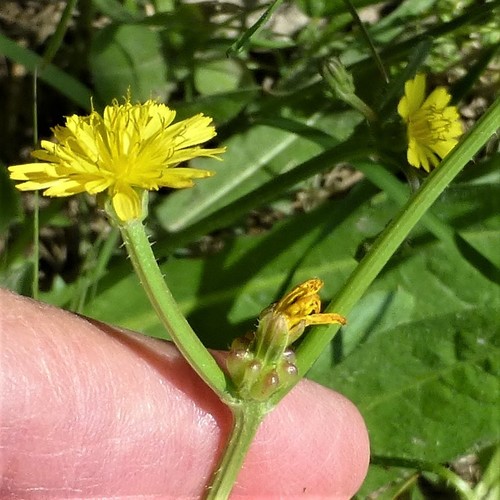
Centaurea depressa
M. Bieb.
Gokcebas
iNaturalist· cc-by-nc
(c) faluke, some rights reserved (CC BY-NC), uploaded by faluke
iNaturalist· cc-by
(c) Nasser Halaweh, some rights reserved (CC BY), uploaded by Nasser Halaweh
iNaturalist· cc-by-nc
(c) Shahrzad Fattahi, some rights reserved (CC BY-NC)
Summary
Source: WikipediaCentaurea depressa, the low cornflower, is a species of Centaurea. It is native to southwestern and central Asia. Its common name is Iranian knapweed. The plant grows to 0.3 m (1 ft) tall and flowers from July to August. It can grow in nutritionally poor soil and is drought tolerant.
Description
Annual to perennial growing 0.3 m tall, hardy to UK zone 7, flowering July to August. Hermaphrodite and self-fertile, pollinated by bees, flies, and butterflies. Adapts to light sandy, medium loamy, and heavy clay soils with good drainage; tolerates mildly acid through very alkaline pH. Full sun needed; handles both dry and moist soils with good drought tolerance.
Edible Uses
The root can be cooked and eaten, and has an agreeable flavour.
Traditional Uses
The young leaves are fried in butter and then prepared as an omelette. The flower heads are used for tea.
This uses section is brief — help expand it
Medicinal Uses
None known.
Distribution
It is a temperate plant.
Where It Grows
Central Asia, Europe, Iran, Mediterranean, Middle East, Tajikistan, Turkey,
Cultivation
Succeeds in ordinary garden soil. Prefers a well-drained fertile soil and a sunny position. Tolerates dry, low fertility and alkaline soils. A very ornamental plant. Members of this genus are rarely if ever troubled by browsing deer.
Propagation
Sow seed in April in a cold frame. Once seedlings are large enough to handle, prick them into individual pots and plant out into permanent positions during the summer. Seed can also be sown as soon as it is ripe in late summer in a greenhouse, with plants going out the following late spring. Division in autumn works well — larger clumps can be replanted directly, while smaller ones are better potted up and grown on in a cold frame until rooted, then planted out in summer or the following spring. Divide at least every three years to maintain plant vigour. For basal cuttings in spring, take shoots about 10–15cm long with plenty of underground stem, pot individually, and hold in light shade in a cold frame or greenhouse until well rooted before planting out in summer.
Other Uses
None known.
Notes
There are 400 to 600 Centaurea species.
Synonyms
Also Known As
Gokbas, Peygamber cicegi, Tay Boncugu
References (7)
- Ari, S., et al, 2015, Ethnobotanical survey of plants used in Afyonkarahisar-Turkey. Journal of Ethnobiology and Ethnomedicine 11:84
- Dogan, A. & Tuzlaci, E., 2015, Wild Edible Plants of Pertek (Tunceli-Turkey). Marmara Pharmaceutical Journal 19: 126-135
- Ertug, F., 2000, An Ethnobotanical Study in Central Anatolia (Turkey). Economic Botany Vol. 54. No. 2. pp. 155-182
- Fl. taur.-cauc. 2:346. 1808
- Kargioglu, M., et al, 2008, An Ethnobotanical Survey of Inner-West Anatolia, Turkey. Human Ecology 36:763-777
Show all 7 references Hide references
- Plants for a Future database, The Field, Penpol, Lostwithiel, Cornwall, PL22 0NG, UK. http://www.scs.leeds.ac.uk/pfaf/
- Rivera, D. et al, 2006, Gathered Mediterranean Food Plants - Ethnobotanical Investigations and Historical Development, in Heinrich M, Müller WE, Galli C (eds): Local Mediterranean Food Plants and Nutraceuticals. Forum Nutr. Basel, Karger, 2006, vol 59, pp 18–74