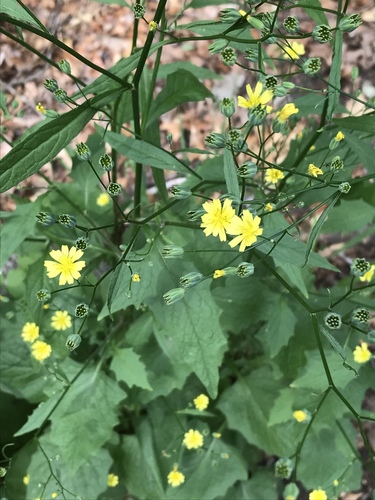
Ambrosia maritima
L.
Sea ambrosia
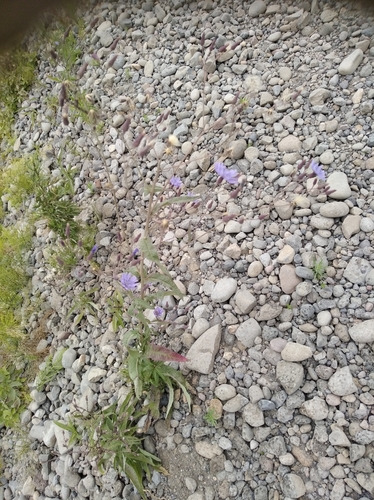
iNaturalist· cc-by-nc
(c) fotis-samaritakis, some rights reserved (CC BY-NC), uploaded by fotis-samaritakis
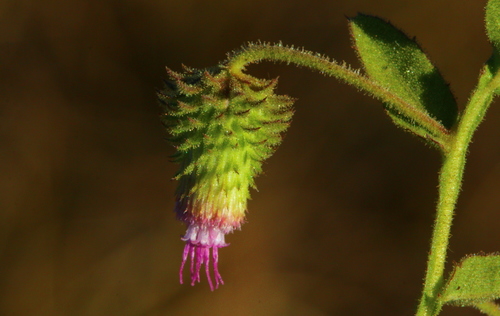
iNaturalist· cc-by-nc
(c) fotis-samaritakis, some rights reserved (CC BY-NC), uploaded by fotis-samaritakis
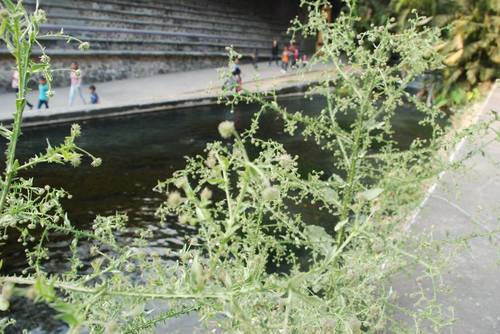
iNaturalist· cc-by-nc
(c) fotis-samaritakis, some rights reserved (CC BY-NC), uploaded by fotis-samaritakis
Summary
Source: WikipediaAmbrosia maritima, the sea ragweed, is a species of herb in the family Asteraceae. They have a self-supporting growth form and broad leaves. Individuals can grow to 40 cm (16 in).
Description
A herb. It has a woody rootstock and can last a few years. It grows 1 m high. The stems have lines along them. The flowers are small and greenish-yellow.
Edible Uses
The leaves are used to flavor soup.
Traditional Uses
The leaves are used to flavour soup.
This uses section is brief — help expand it
Known Hazards
Many plants in this genus cause hay fever and asthma.
Distribution
A tropical plant. It grows in open spaces and near rivers.
Where It Grows
Africa, Albania, Burkina Faso, Central Africa, Congo, East Africa, Europe, France, Madagascar, Mediterranean, Mozambique, Nigeria, Sao Tome and Principe, Senegal, Tanzania, Turkey, Türkiye, Uganda, West Africa,
Notes
Many plants in this genus cause hay fever and asthma.
Synonyms
Also Known As
Baaba, Manariandro, Matsermama
References (6)
- Bircher, A. G. & Bircher, W. H., 2000, Encyclopedia of Fruit Trees and Edible Flowering Plants in Egypt and the Subtropics. AUC Press. p 23
- Burkill, H. M., 1985, The useful plants of west tropical Africa, Vol. 1. Kew.
- Jardin, C., 1970, List of Foods Used In Africa, FAO Nutrition Information Document Series No 2.p 55
- Martin, F.W. & Ruberte, R.M., 1979, Edible Leaves of the Tropics. Antillian College Press, Mayaguez, Puerto Rico. p 183
- Seidemann J., 2005, World Spice Plants. Economic Usage, Botany, Taxonomy. Springer. p 33
Show all 6 references Hide references
- Sp. pl. 2:988. 1753