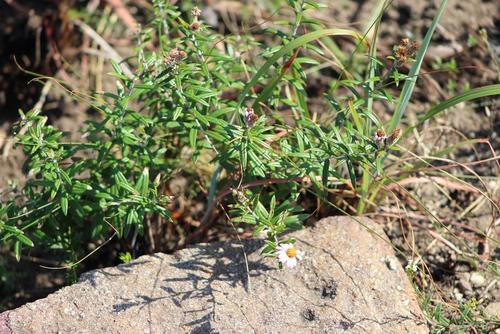
Ambrosia artemisiifolia
L.
Ragweed
iNaturalist· cc-by-sa
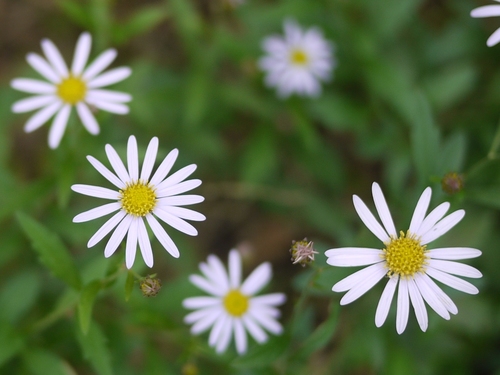
(c) Qwert1234, some rights reserved (CC BY-SA)
iNaturalist· cc-by-nc
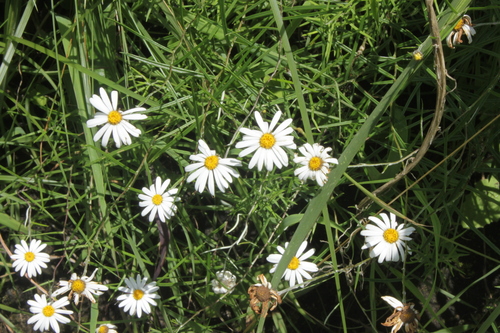
(c) Felix Riegel, some rights reserved (CC BY-NC), uploaded by Felix Riegel
iNaturalist· cc-by-nc
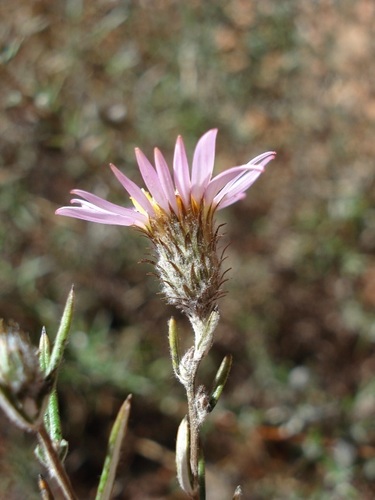
(c) Matthew Brown, some rights reserved (CC BY-NC), uploaded by Matthew Brown
Summary
Source: WikipediaAmbrosia artemisiifolia, with the common names common ragweed, annual ragweed, and low ragweed, is a species of the genus Ambrosia native to regions of the Americas.
Description
A coarse hairy annual herb. It grows 30 cm - 1.5 m tall. The leaves are light green and highly dissected. They are 10 cm long. Male and female flowers are separate. Male flowers are small and in heads of 15-20 flowers. They are at the top of the plant. The female flowers do not have stalks and are in the axils of leaves.
Edible Uses
The seeds can be processed for oil.
Medicinal Uses
Ambrosia artemisiifolia has been a traditional medicinal plant for Native American tribes, including the Cherokee, Lakota, Iroquois, Dakota, and Delaware. Historically, A. artemisiifolia was used by the Otoe Native American tribe in the Missouri River region as a remedy for nausea. It was used on the surface of the abdomen, where the patient was scarified and then dressed with the bruised leaves. It was also utilized by the Houma tribe in Louisiana for menstruation pain by making a tea out of the boiled roots.
Distribution
It is a temperate plant. It grows in wet and dry soils below 1,000 m above sea level in China.
Where It Grows
Afghanistan, Africa, Alaska, Albania, Algeria, Asia, Australia, Austria, Belarus, Belgium, Botswana, Brazil, Britain, Bulgaria, China, Canada, Caucasus, Central Asia, Czech Republic, Denmark, Dominican Republic, Egypt, Eswatini, Europe, France, Germany, Greece, Hawaii, Hungary, India, Indonesia, Iran, Ireland, Italy, Japan, Kazakhstan, Korea, Kyrgyzstan, Lebanon, Mauritius, Netherlands, North America*, Northeastern India, Norway, Pacific, Palestine, Peru, Poland, Portugal, Romania, Russia, Siberia, Slovenia, South Africa, Southern Africa, South America, Spain, Swaziland, Switzerland, Syria, Taiwan, Tajikistan, Turkey, Türkiye, Ukraine, USA, West Indies, Yugoslavia, Zambia,
Synonyms
Also Known As
Cravorana, Losna-selvagem, Navadna ambrozija
References (10)
- Bircher, A. G. & Bircher, W. H., 2000, Encyclopedia of Fruit Trees and Edible Flowering Plants in Egypt and the Subtropics. AUC Press. p 23
- Facciola, S., 1998, Cornucopia 2: a Source Book of Edible Plants. Kampong Publications, p 9
- Kermath, B. M., et al, 2014, Food Plants in the Americas: A survey of the domesticated, cultivated and wild plants used for Human food in North, Central and South America and the Caribbean. On line draft. p 50
- Kew Plants of the World Online
- Kinupp, V. F., 2007, Plantas alimenticias nao-convencionais da regiao metropolitana de Porto Alegre, RS, Brazil p 64 (As Ambrosia elatior)
Show all 10 references Hide references
- MacKinnon, A., et al, 2009, Edible & Medicinal Plants of Canada. Lone Pine. p 337
- Sp. pl. 2:988. 1753
- Swaziland's Flora Database http://www.sntc.org.sz/flora
- Uphof,
- World Checklist of Useful Plant Species 2020. Royal Botanic Gardens, Kew