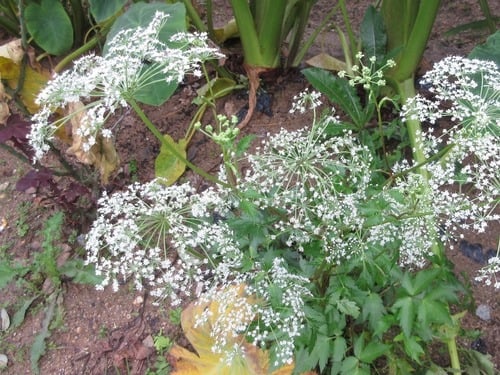
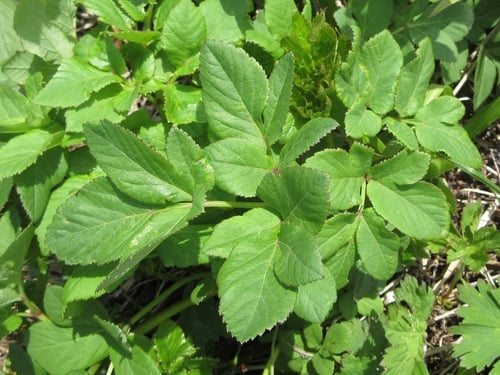
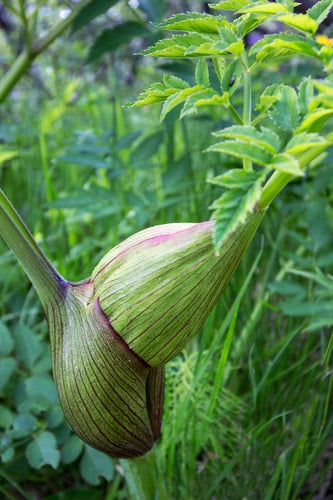
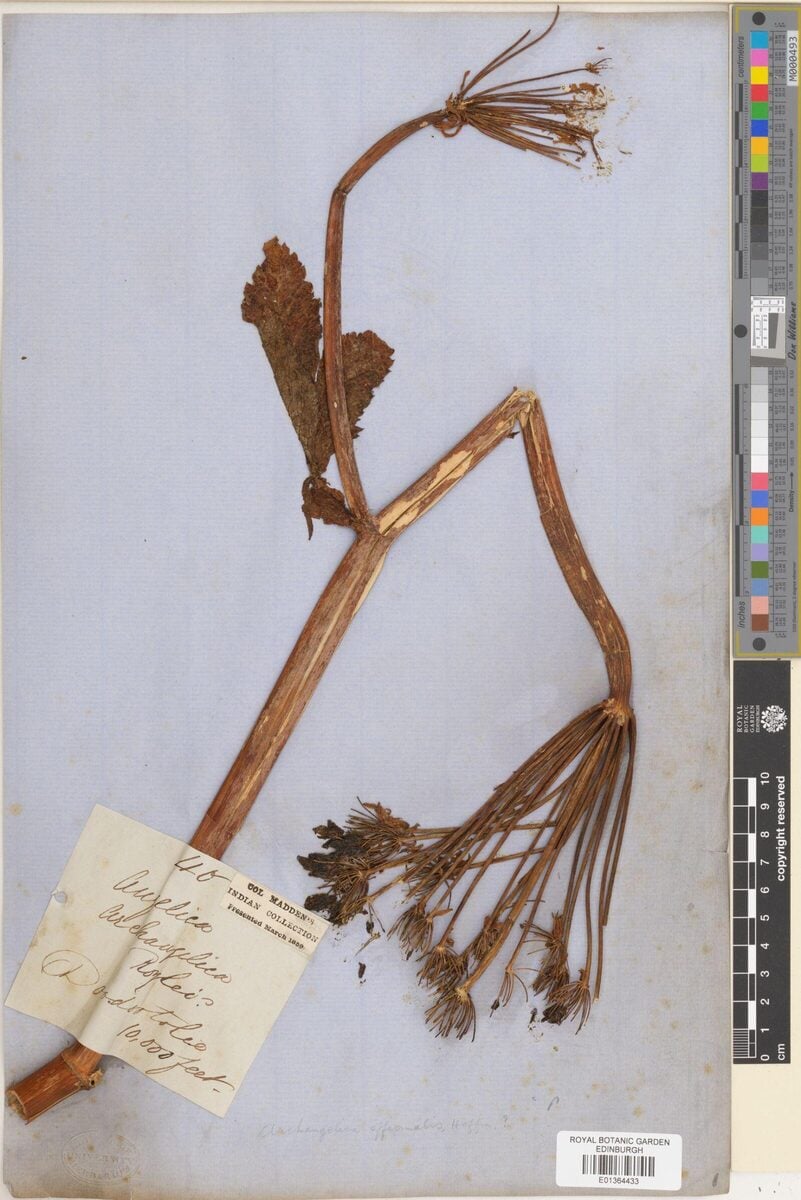
Ferula gummosa
Boiss.
Galbanum
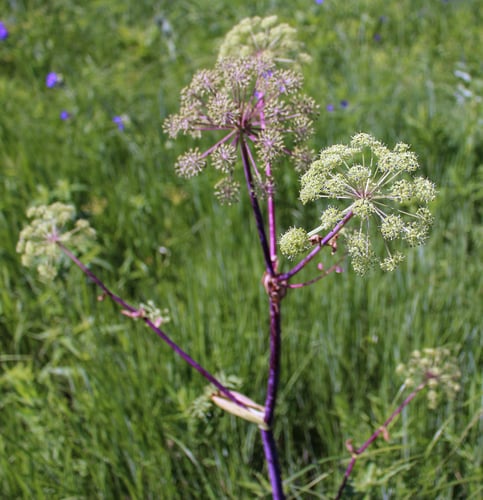
iNaturalist· cc-by-nc-sa
(c) Shayan Ghiaseddin, some rights reserved (CC BY-NC-SA), uploaded by Shayan Ghiaseddin
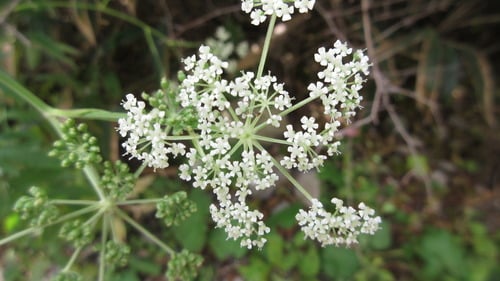
iNaturalist· cc-by-nc
(c) Houman Doroudi 𐏃𐎻𐎶𐎴 𐎯𐎽𐎮, some rights reserved (CC BY-NC)
Summary
Source: WikipediaFerula gummosa is a perennial herb of Ferula in the family Apiaceae. It is native to Iran and Turkmenistan. Its gum resin is called galbanum.
Description
A perennial herb reaching 1 m in height and spread. Hardy to UK zone 6. Flowers May to June with seeds ripening June to August. Hermaphrodite flowers pollinated by flies with self-fertility. Grows in light sandy, medium loamy, or heavy clay well-drained soils. Tolerates mildly acidic to mildly alkaline pH. Requires full sun and adapts to both dry and moist soil.
Edible Uses
The gum resin obtained from the root serves as a celery-like flavouring in food.
Medicinal Uses
The whole plant, especially the root, yields the gum resin galbanum, which is antispasmodic, carminative, expectorant, and stimulant. Internally, it is used to treat chronic bronchitis, asthma, and other chest complaints, and acts as a digestive stimulant that reduces flatulence, griping pains, and colic. Externally, it is applied as a plaster for inflammatory swellings, ulcers, boils, wounds, and skin complaints.
Distribution
It is a temperate plant. It grows on the steppes. It suits hardiness zones 5-9.
Where It Grows
Afghanistan, Central Asia, Europe, Iran, Middle East, Russia, Turkey, Türkiye,
Cultivation
Succeeds in most soils. Requires a deep fertile soil in a sunny position. This species is not hardy in the colder areas of the country, it tolerates temperatures down to between -5 and -10°c. Another report says that it tolerates temperatures down to at least -15°c and should therefore succeed outdoors in most parts of the country. Plants are intolerant of root disturbance due to their long taproot. They should be planted into their final positions as soon as possible. The flowers have an unpleasant smell.
Propagation
Sow seed as soon as it is ripe in a greenhouse in autumn, or alternatively in April in a greenhouse. Prick out seedlings into individual pots as soon as they are large enough to handle, then plant into permanent positions while still small, as the plants dislike root disturbance. Provide a protective mulch for at least the first winter outdoors. Division can be carried out in autumn, though this may be inadvisable given the plant's sensitivity to root disturbance.
Other Uses
The aromatic gum resin galbanum is collected by removing soil from around the top of the root, cutting a slice from the root, or making incisions in the stem. It has medicinal applications and is also used as an ingredient in incense, historically playing an important role in the incense used by the Israelites.
Synonyms
References (4)
- Plants For a Future.
- Seidemann J., 2005, World Spice Plants. Economic Usage, Botany, Taxonomy. Springer. p 156
- Wiersema, J. H. & Leon, B., 2013, World Economic Plants. A Standard Reference CRC Press. 2nd Ed. p 302
- World Checklist of Useful Plant Species 2020. Royal Botanic Gardens, Kew