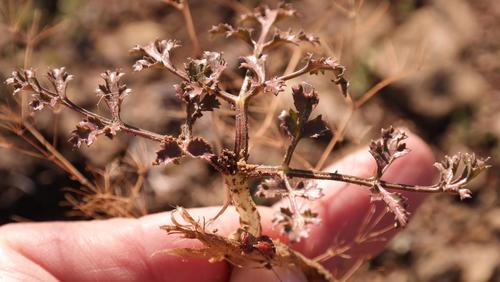
Angelica archangelica var. himalaica
Linn., (C. B. Clarke) Krishna & Badwar
gbif· cc0
Royal Botanic Garden Edinburgh
gbif· cc0
Royal Botanic Garden Edinburgh
Summary
Source: WikipediaAngelica archangelica, commonly known as angelica, garden angelica, wild celery, and Norwegian angelica, is a biennial plant from the family Apiaceae, a subspecies of which is cultivated for its sweetly scented edible stems and roots. Like several other species in Apiaceae, its appearance is similar to several poisonous species (Conium, Heracleum, and others), and should not be consumed unless it has been identified with absolute certainty. Synonyms include Archangelica officinalis Hoffm. and Angelica officinalis Moench.
Description
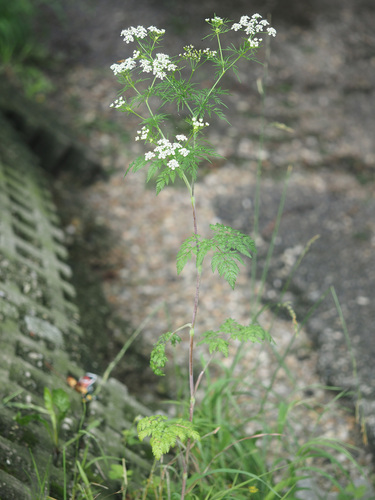
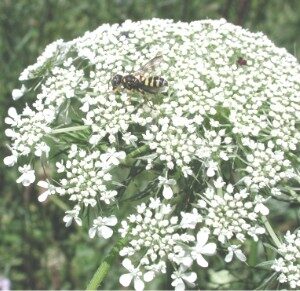
A herb. It grows 2-3 m tall. The stems are stout and have ridges. The leaves are divided 2-3 times. The leaflets do not have stalks. They are oval and 4-15 cm long by 2-8 cm wide. The leaf bases form sheaths. The flower stalks are 8-15 cm long. There are 15-40 rays. There are many white flowers.
Edible Uses
The leaf stalks are candied. The leaves are used as a condiment and flavouring.
Traditional Uses
The leaf stalks are candied. The leaves are used as a condiment.
This uses section is brief — help expand it
Distribution
It is a temperate plant. In Pakistan it grows in the Himalayas between 2,500-4,000 m altitude.
Where It Grows
Asia, Himalayas, India, Northeastern India, Pakistan, Sikkim,
Notes
There are 50 Angelica species. They are temperate plants.
Dangerous Lookalikes
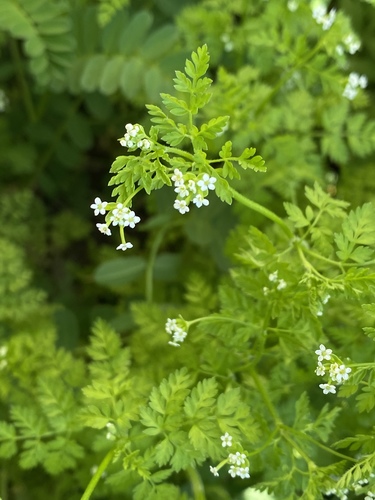
This plant can be confused with the following toxic species. Always verify identification carefully before consuming any wild plant.
Giant Hogweed
Heracleum mantegazzianum
anastasiiamerkulova
Angelica archangelica var. himalaica
Angelica archangelica var. himalaica
Royal Botanic Garden Edinburgh
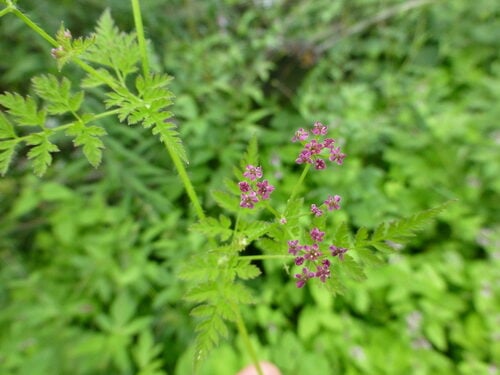
Giant Hogweed: Very large (4-5m), stems 6cm+ diameter with purple spots, sap causes severe burns in sunlight.
Angelica archangelica var. himalaica: Smaller (1-2m), green-purple smooth stems, aromatic sweet scent.
Synonyms
References (3)
- Ambasta S.P. (Ed.), 2000, The Useful Plants of India. CSIR India. p 41
- Arora, R. K., 2014, Diversity in Underutilized Plant Species - An Asia-Pacific Perspective. Bioversity International. p 100
- Flora of Pakistan. www.eFloras.org