Croton eluteria
(L.) W. Wright
Cascarilla, Seaside balsam
iNaturalist· cc-by-nc
(c) Zachary Tonzetich, some rights reserved (CC BY-NC), uploaded by Zachary Tonzetich
wikimedia· cc0
Wikimedia Commons - Franz Eugen Köhler, Köhler's Medizinal-Pflanzen
Summary
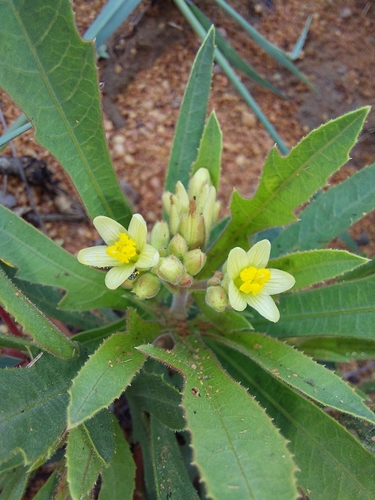
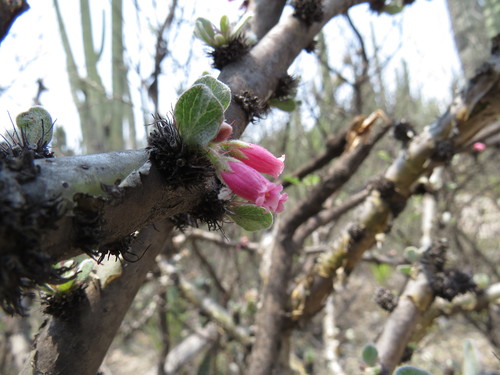
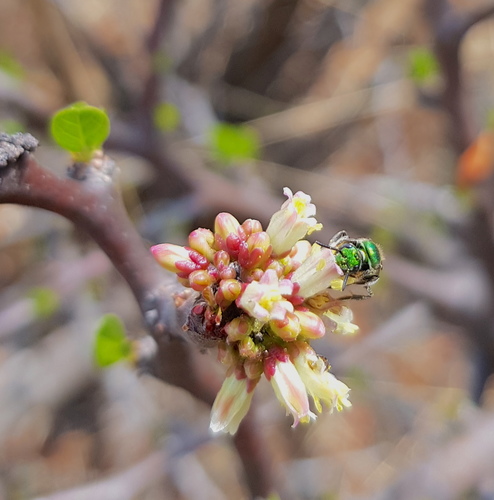
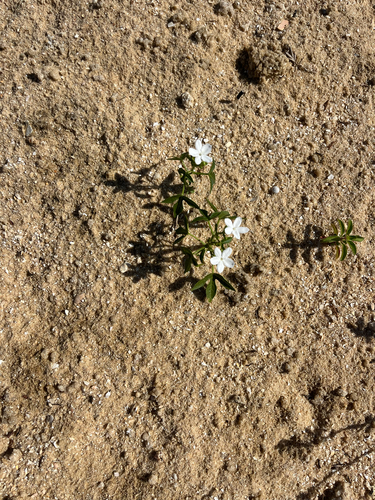
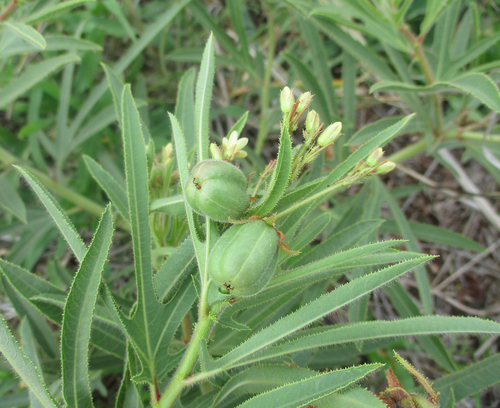
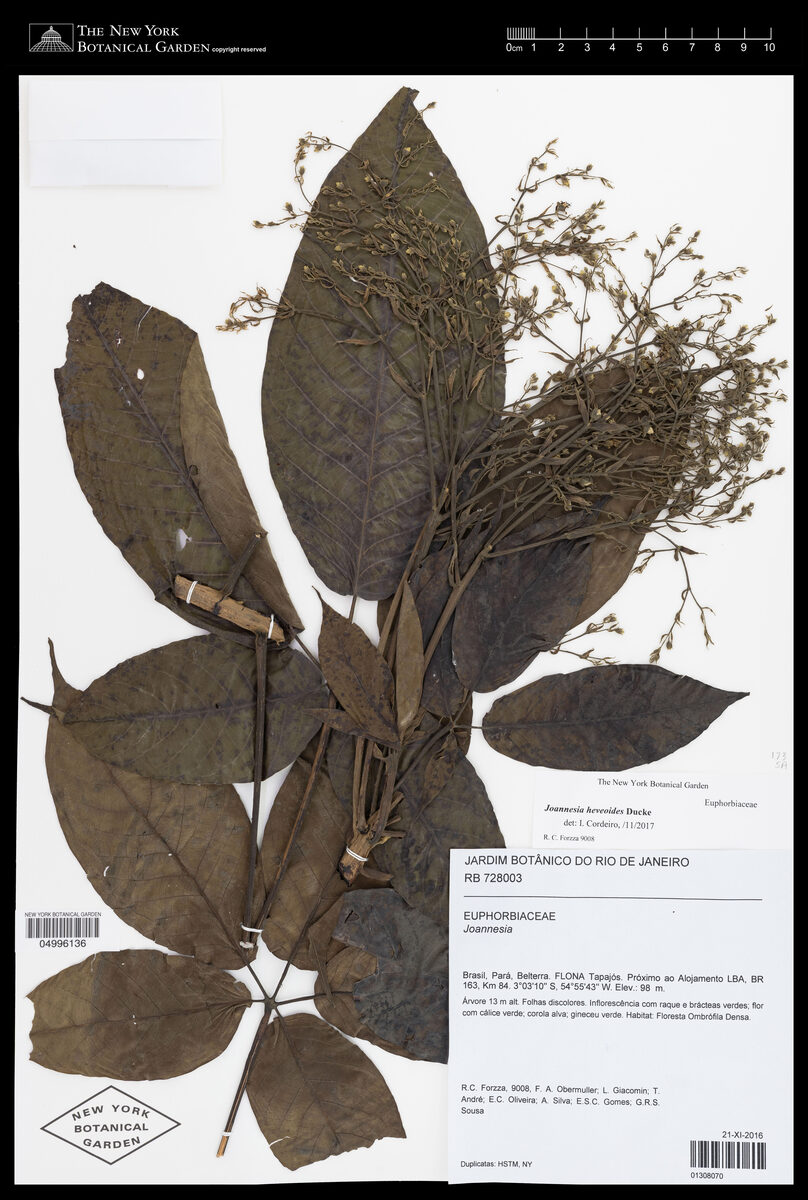
Source: WikipediaCroton eluteria, known as cascarilla, is a plant species of the genus Croton that is native to the Caribbean. It has been naturalized in other tropical regions of the Americas. It grows to be a small tree or tall shrub, rarely reaching 20 feet (6 m) in height. Its leaves are scanty, alternate, ovate-lanceolate, averaging 2 inches (5 cm) long, with close scaling below, giving a metallic silver-bronze appearance, and scattered white scales above. The flowers are small, with white petals, and very fragrant, appearing in March and April. The scented bark is fissured, pale yellowish brown, and may be covered in lichen.
Description
A shrub. It can be 6 m tall. The bark has a scent and is cracked. The leaves are few but are alternate and oval to sword shaped. They are 5 cm long. They have a silvery bronze colouring. The flowers are small and white. They have a scent.
Edible Uses
Croton eluteria is used to aid digestion. Cascarilla bark is also used to flavor the liqueurs Campari and Vermouth.
Traditional Uses
The bark is used to flavour liqueurs.
This uses section is brief — help expand it
Medicinal Uses
Cascarilla has a very long history of traditional herbal medicine use worldwide. The bark is antispasmodic, antitussive, aromatic bitter, astringent, carminative, cholagogue, digestive, expectorant, febrifuge, hypotensive, stimulant and tonic. It has long been used as a general bitter digestive aid, to stimulate the digestion and promote the flow of digestive juices. It is utilized in the treatment of a range of problems connected with the digestive system such as nausea and vomiting; diarrhoea and dysentery; dyspepsia and colic; intestinal bloating and gas. It has also been used in the treatment of a wide range of other conditions including intermittent and low fevers; as an expectorant for chronic bronchitis; anaemia, haemorrhoids, high blood pressure and as an overall tonic during convalescence. Cascarilla contains a range of medically active constituents including 1.5 to 3% volatile oils, a bitter compound called cascarillin A, resins, tannin, lipids, and several neoclerodane diterpenoids called cascarillins. Research has shown that the bark's essential oil is antimicrobial. The long standing traditional use of cascarilla for digestion was verified by scientists in 2003. These researchers in Italy reported that cascarilla and its major chemical compound, cascarillin, were found to significantly increase gastric acid secretion in the stomach. They noted; 'These preliminary results provide the first rationale for the use of cascarilla in bitter preparations aimed at improving digestion.'.
Distribution
It is a tropical plant. It grows from sea level to about 900 m above sea level.
Where It Grows
Bahamas, Caribbean, Cuba, Dominican Republic, Haiti, Jamaica, Mexico, North America, West Indies,
Cultivation
Most Croton species are relatively indifferent to their habitat and can grow on a wide range of soils, though this species is found mainly in limestone soils. It can grow in both disturbed and undisturbed vegetation. The tree produces small but very fragrant white flowers almost all the year round.
Other Uses
An essential oil is obtained from the bark. 'Cascarilla oil'. an essential oil obtained from hydrodistillation of the powdered bark is used as a perfume in commercial cosmetic products.
Notes
It is used as medicine.
Synonyms
Also Known As
Cascarilla
References (5)
- Encyclopedia of Life
- Kermath, B. M., et al, 2014, Food Plants in the Americas: A survey of the domesticated, cultivated and wild plants used for Human food in North, Central and South America and the Caribbean. On line draft. p 276
- Seidemann J., 2005, World Spice Plants. Economic Usage, Botany, Taxonomy. Springer. p 123
- Wiersema, J. H. & Leon, B., 2013, World Economic Plants. A Standard Reference CRC Press. 2nd Ed. p 213
- World Checklist of Useful Plant Species 2020. Royal Botanic Gardens, Kew