Croton niveus
Jacq.
Wild rosemary, Snowhitecroton
iNaturalist· cc-by
(c) Elkin Meriño Florez, some rights reserved (CC BY)
iNaturalist· cc-by
(c) Elkin Meriño Florez, some rights reserved (CC BY)
iNaturalist· cc-by
(c) Elkin Meriño Florez, some rights reserved (CC BY)
Description
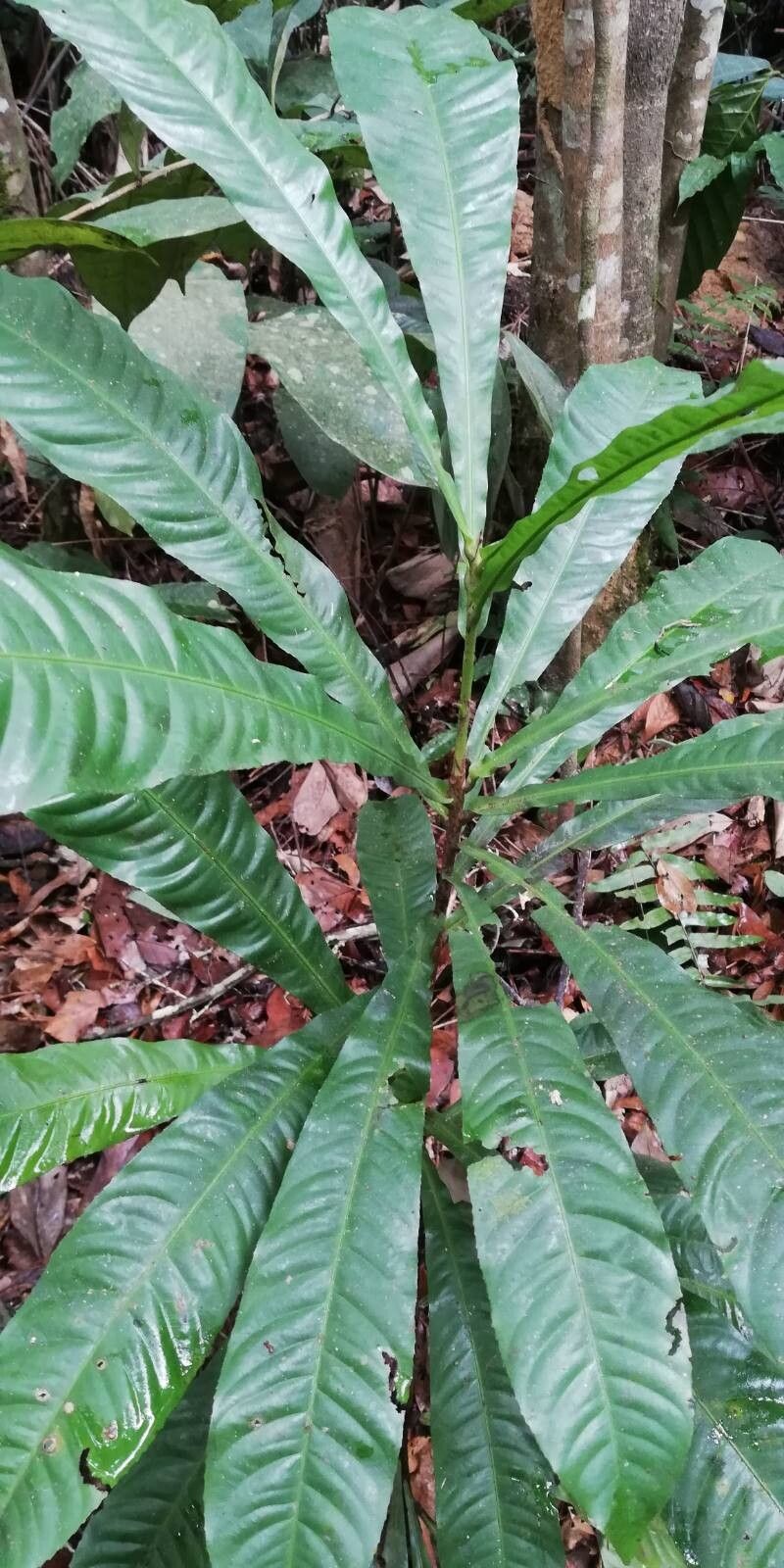
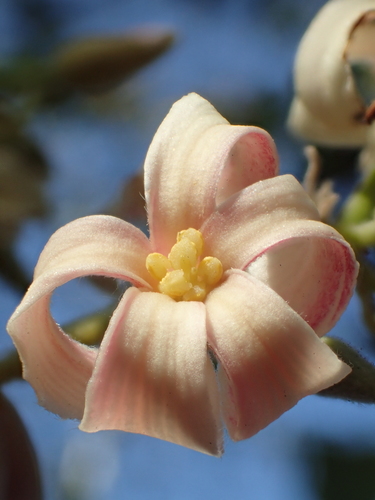
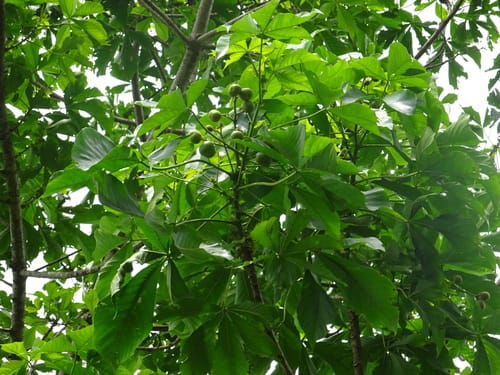
A shrub or small tree. It grows 2-10 m tall. The stems are leafy. The leaves are 3-14 cm long by 2-10 cm wide. The flowering shoots are in the axils of leaves. The flowers are white. The fruit are 9-24 mm long by 9-20 mm wide.
Edible Uses
The bark is used as a spice.
Traditional Uses
The bark is used as a spice.
This uses section is brief — help expand it
Medicinal Uses
The dried leaves and bark are used as medicine.
Distribution
It is a tropical plant. In Central America, it grows from 50-1,800 m above sea level.
Where It Grows
Aruba, Bahamas, Belize, Central America, Colombia, Costa Rica, Cuba, Curacao, Greater Antilles, Mexico, Nicaragua, Panama, Trinidad, Venezuela, West Indies,
Cultivation
Most Croton species are relatively indifferent to their habitat and can grow on a wide range of soils in both disturbed and undisturbed vegetation.
Notes
The dried leaves and bark are used as medicine.
Synonyms
Also Known As
Copalchi, Quisarra copalchi, Uvitas, Vara blanca
References (4)
- Grandtner, M. M. & Chevrette, J., 2013, Dictionary of Trees, Volume 2: South America: Nomenclature, Taxonomy and Ecology. Academic Press p 173
- Kermath, B. M., et al, 2014, Food Plants in the Americas: A survey of the domesticated, cultivated and wild plants used for Human food in North, Central and South America and the Caribbean. On line draft. p 278
- Piedra-Malagón, E. M. et al, 2022, Edible native plants of the Gulf of Mexico Province. Biodiversity Data Journal 10: e80565 p 19
- Seidemann J., 2005, World Spice Plants. Economic Usage, Botany, Taxonomy. Springer. p 123 (As Croton cascarilla Benn.)