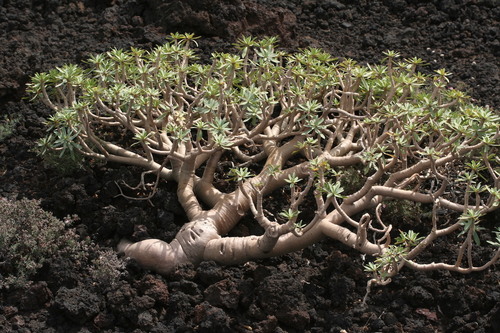
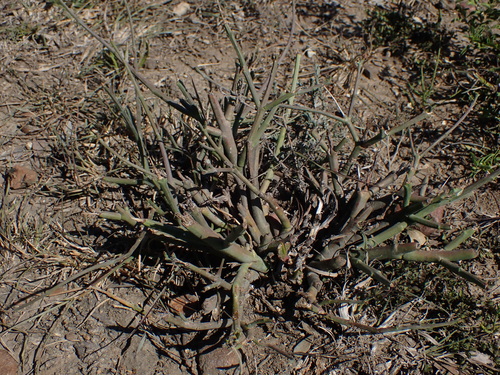
Vaupesia cataractarum
R. E. Schult.
Cataract vaupesia
gbif· cc-by-nc
Field Museum of Natural History - Botany Department | GDI 2013-2015
gbif· cc-by-nc
Rapid Reference Collection (RRC) | Field Museum of Natural History - Keller Science Action Center
gbif· cc-by-nc
Rapid Reference Collection (RRC) | Field Museum of Natural History - Keller Science Action Center
Description
An evergreen tropical tree reaching 25 m tall, native to rocky, well-watered sites along rivers.
This description is brief — help expand it
Edible Uses
The seeds can be eaten after processing to remove toxins; they must be boiled and washed several times, then crushed.
Traditional Uses
Caution: The seeds contain cyanide. The seeds can be processed to remove the poison then eaten. They need to be boiled and washed several times. They are then crushed.
Known Hazards
The seeds contain cyanic compounds and are poisonous. They can, however, be prepared as food - see the method below in Edible Uses.
Distribution
It is a tropical plant. It grows on rocky land in well watered sites along rivers.
Where It Grows
Amazon, Brazil, Colombia, South America,
Cultivation
The seeds are usually produced in great profusion every year.
Also Known As
Yeneckee
References (3)
- Fern, K., 2012, Tropical Species Database http://theferns.info/tropical/
- Grandtner, M. M. & Chevrette, J., 2013, Dictionary of Trees, Volume 2: South America: Nomenclature, Taxonomy and Ecology. Academic Press p 687
- Kermath, B. M., et al, 2014, Food Plants in the Americas: A survey of the domesticated, cultivated and wild plants used for Human food in North, Central and South America and the Caribbean. On line draft. p 904