Rhododendron yunnanense
Franch.
iNaturalist· cc-by-nc
(c) Chauncey, some rights reserved (CC BY-NC), uploaded by Chauncey
wikimedia· cc0
Wikimedia Commons - Daderot
Summary
Source: WikipediaRhododendron yunnanense (云南杜鹃) is a species of rhododendron native to Myanmar and Guizhou, Shaanxi, Sichuan, Xizang, and Yunnan, China, where it grows at altitudes of 2200–3600 meters. It is a shrub that grows to 1–2 m in height, with leaves that are oblong, lanceolate, oblong-lanceolate or obovate, 2.5–7 by 0.8–3m in size. Flowers are white, pale red, or pale purple. In cultivation in the UK the cultivar 'Openwood' has gained the Royal Horticultural Society's Award of Garden Merit. The flowers are a pale lavender with a crimson spotted throat.
Description
A shrub or small tree. It sometimes loses its leaves. It grows 1-2 m tall. The leaves are oval and 3-7 cm long by 1-3 cm wide. The base is narrow. They are grey-green underneath. The flowers are in groups of 3-6 at or near the ends of branches. They are funnel shaped and white, pale red or pale purple and red or yellow inside.
Edible Uses
The fresh young flowers are eaten as a snack.
Traditional Uses
The fresh young flowers are eaten as a snack.
This uses section is brief — help expand it
Distribution
It is a subtropical plant. It grows in mixed forests on slopes between 2,200-3,600 m above sea level. In Yunnan. In Rhodo gardens.
Where It Grows
Asia, Australia, China*, Himalayas, Myanmar, SE Asia, Tasmania, Tibet, Vietnam,
Synonyms
Also Known As
Doquyen vannam
References (3)
- Weckerle, C. S., et al, 2006, Plant Knowledge of the Shuhi in the Hengduan Mountains, Southwest China. Economic Botany 60(1):2-23
- Zhang, L. et al, 2013, An Ethnobotanical Study of Traditional Edible Plants Used by Naxi People in Northwestern Yunnan, China. - A Case Study in Wenhai Village. Plant Diversity and Resources. p 5
- Zhang, L., et al, 2016, Ethnobotanical study of traditional edible plants used by the Naxi people during droughts. Journal of Ethnobiology and Ethnomedicine. 12:39
More from Ericaceae
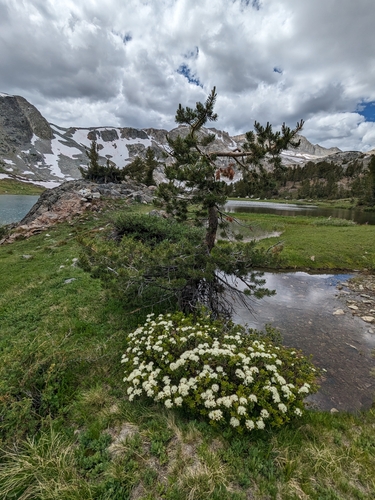
Ledum x columbianum
Coast Labrador tea
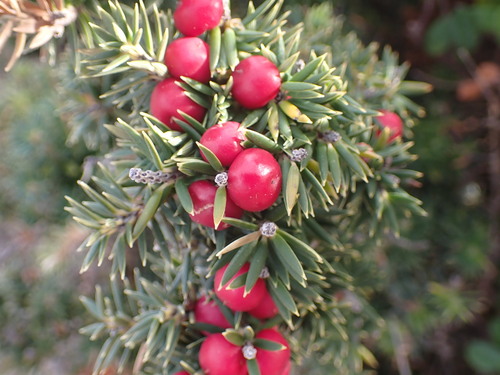
Leptecophylla abietina
Seaspray pinkberry
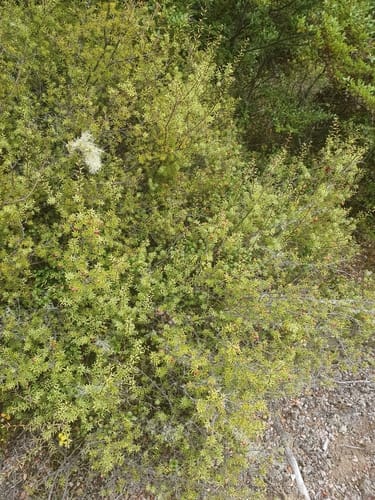
Leptecophylla juniperina
Mingimingi, Prickly mingimingi
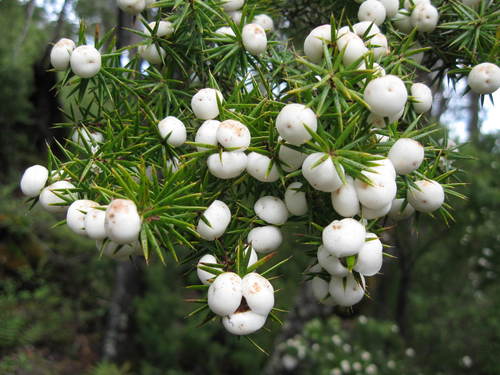
Leptecophylla juniperina subsp. oxycedrus
Crimson berry, Pink Berry, Coastal pinkberry
Leucopogon fasciculatus
Broad-leaved mingimingi
Leucopogon fraseri
Otago heath, Patotara