Toxicodendron wallichii
(Hook. f.) Kuntze
iNaturalist· cc-by-nc
(c) Suresh Ghimire, some rights reserved (CC BY-NC), uploaded by Suresh Ghimire
iNaturalist· cc-by
(c) T R Shankar Raman, some rights reserved (CC BY)
Description
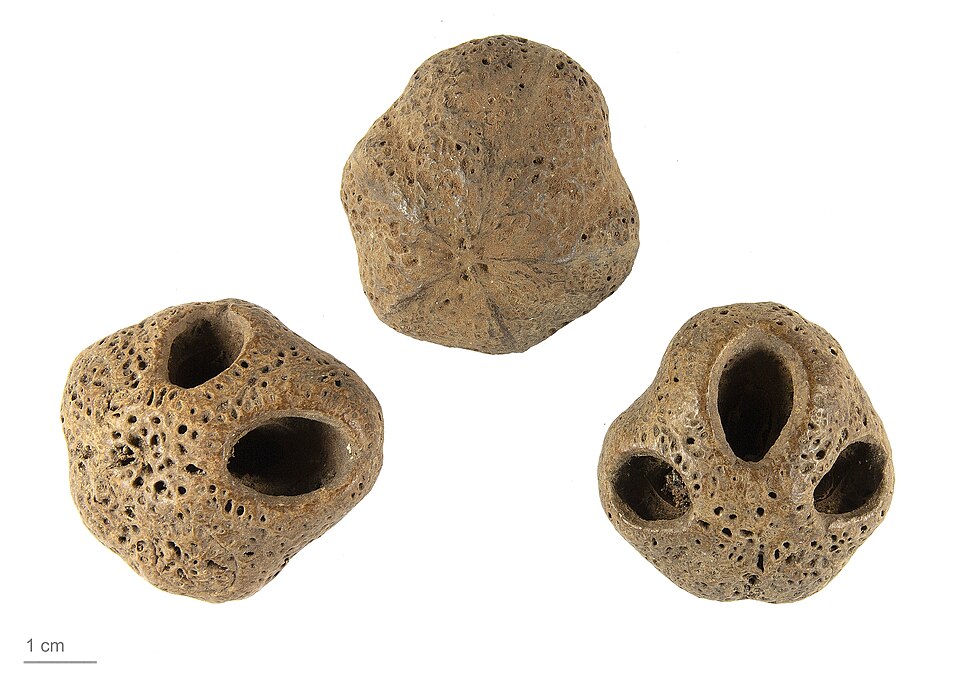
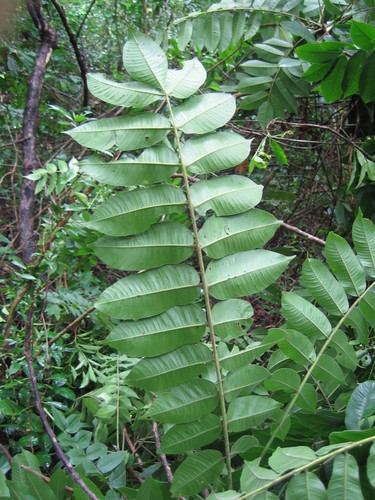
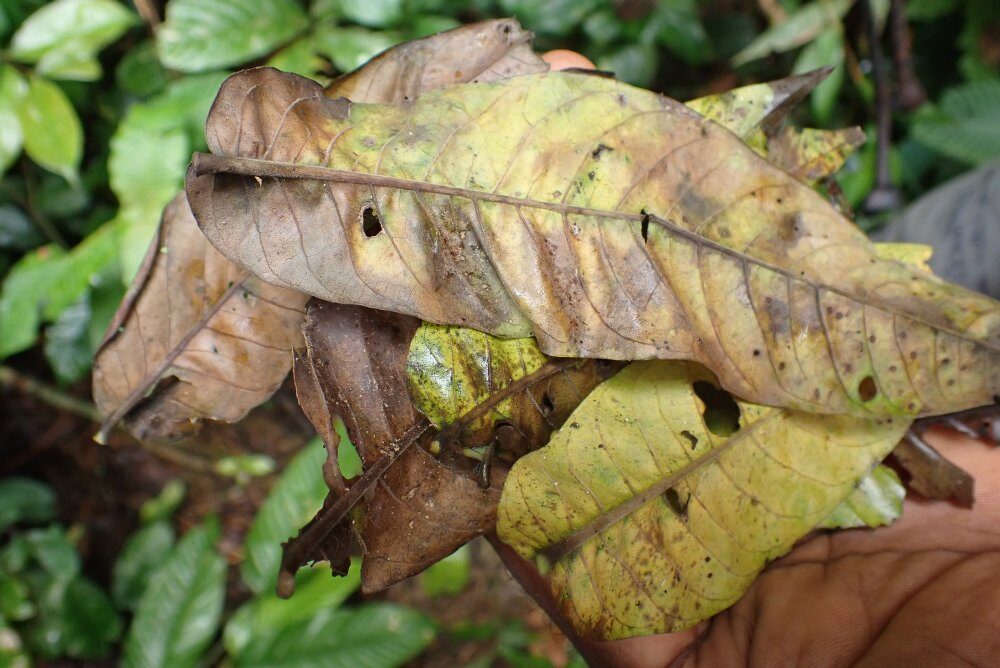
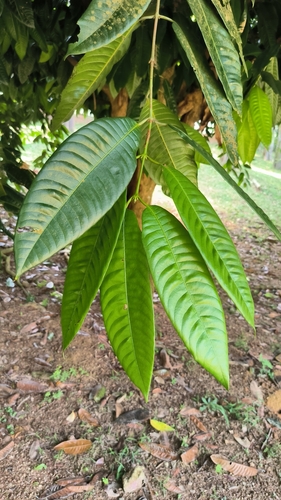
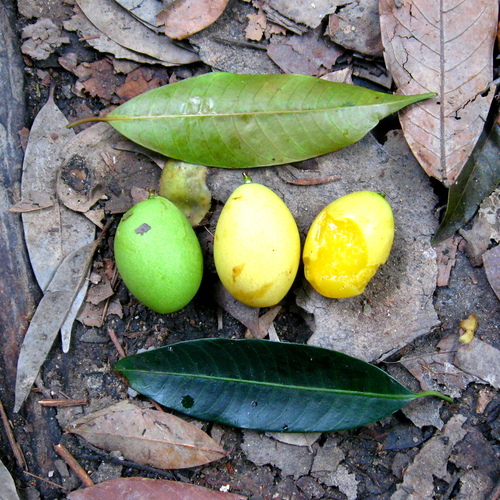
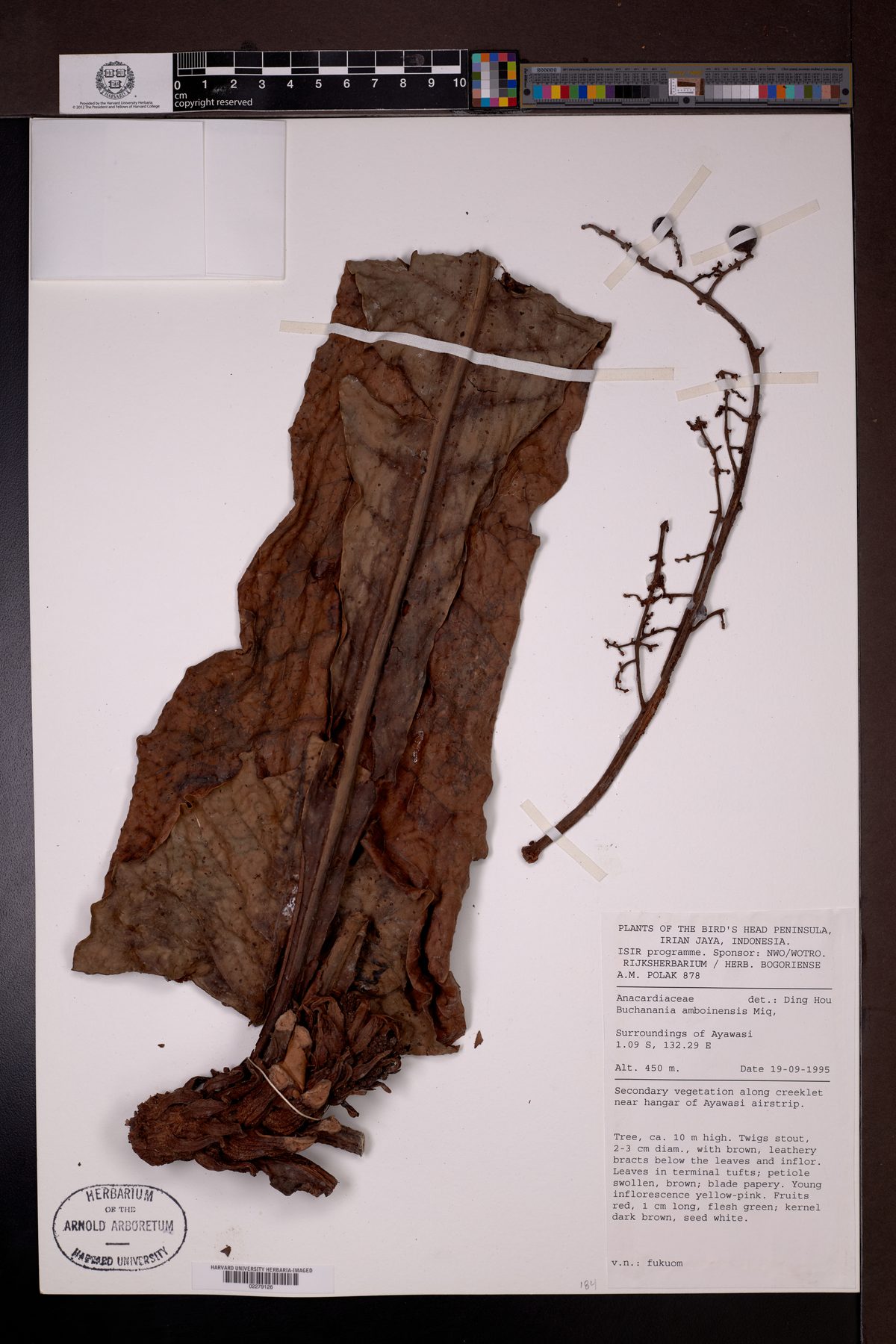
A tree. It grows 5-7 m tall. The branches have a rusty coating. The leaves are compound with leaflets along the stalk and one at the end. The leaves are 30 cm long and there are 7-11 leaflets opposite each other. The leaflets are 10-13 cm long by 5-7 cm wide. There are rusty hairs underneath. The flowers are in a panicle 12-15 cm long. The flowers are pale yellow. The fruit is round and has small hairs. They are 8-10 mm across.
Edible Uses
The fruit pulp is eaten.
Traditional Uses
The pulp of the fruit is eaten.
This uses section is brief — help expand it
Known Hazards
Member of Anacardiaceae family, which includes plants with allergenic properties; caution advised.
Distribution
It is a temperate plant. In Yunnan. In Sikkim it grows between 500-2,000 m above sea level.
Where It Grows
Asia, China, Himalayas, Nepal, Sikkim, Tibet,
Synonyms
Also Known As
Kag bhalayo, Valayo
References (4)
- Dangol, D. R. et al, 2017, Wild Edible Plants in Nepal. Proceedings of 2nd National Workshop on CUAOGR, 2017.
- Gautam, R. S., et al, 2020, Wild Edible Fruits of Nepal. Int. J. Appl. Sci. Biotechnol. Vol 8(3): 289-304
- Gautam, R. S., et al, 2022, Ethnobotanical Review of Wild Edible Plants of Nepal. Journal of Natural History Museum Volume 32, 2021-22 p 103
- Uprety, Y., et al, 2012, Diversity of use and local knowledge of wild edible plant resources in Nepal. Journal of Ethnobotany and Ethnomedicine 8:16 (As Rhus wallichii)