Antrocaryon micraster
A. Chev. et Guillaum.
Aprokuma
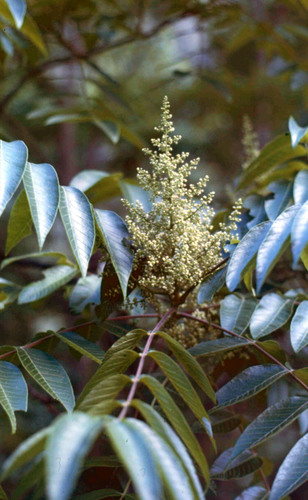
iNaturalist· cc-by-nc
(c) Carel Jongkind, some rights reserved (CC BY-NC), uploaded by Carel Jongkind
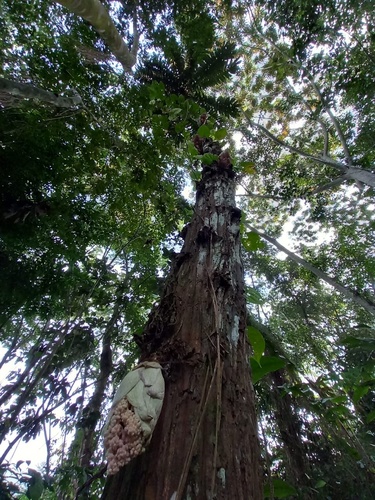
iNaturalist· cc-by-nc
(c) Carel Jongkind, some rights reserved (CC BY-NC), uploaded by Carel Jongkind
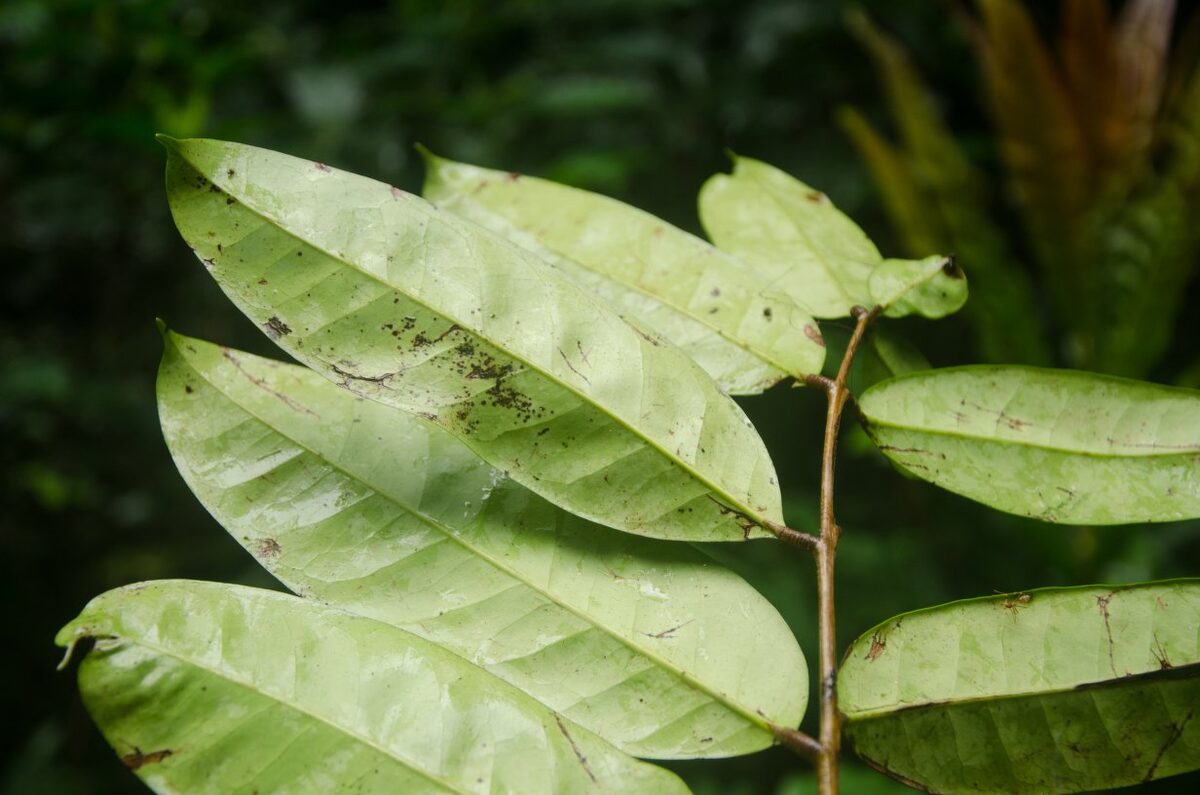
iNaturalist· cc-by-nc
(c) Carel Jongkind, some rights reserved (CC BY-NC), uploaded by Carel Jongkind
Summary
Source: WikipediaAntrocaryon micraster is a species of flowering plant in the cashew family, Anacardiaceae. It is native to tropical Africa, where it occurs in Cameroon, the Democratic Republic of the Congo, Ivory Coast, Ghana, Nigeria, Sierra Leone, and Uganda. It grows in gaps in the forest canopy. It is harvested for its wood.
Description
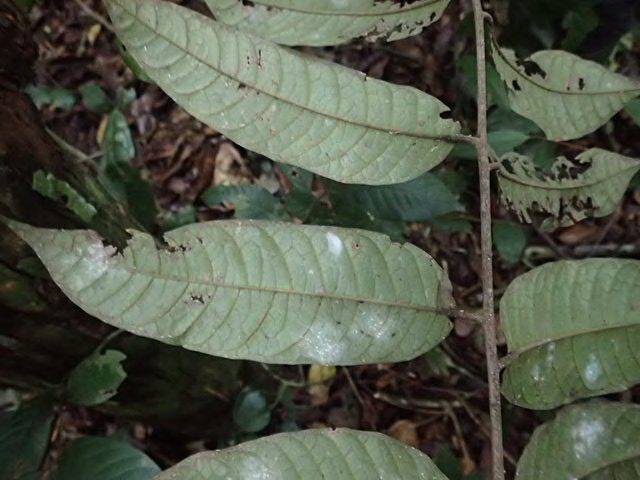
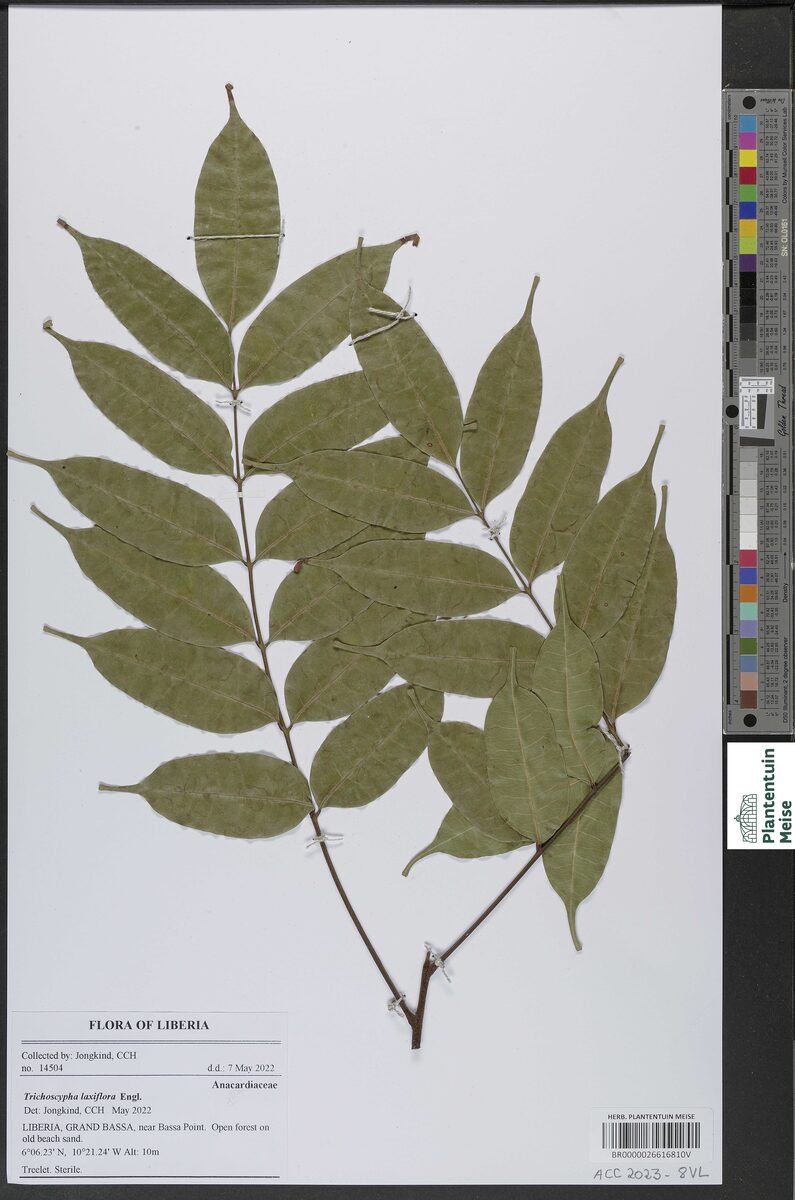
A large tree up to 50 m high and 1.8 m thick in the trunk. The crown of the tree is spreading. It sometimes has slight buttresses. The bark is thick, gummy and has a sweet smell. The smaller branches are stout and angled. The leaves are hairy when young. The leaves are compound with leaflets along the stalk and one at the end. The flowers are small and greenish-white. The fruit is strong smelling. It has a hard stone with several seeds in it. The fruit are plum like. They are yellow and have 5 lobes. They are 3-4 cm long. They are edible. The seeds are hard to remove from the hard nut.
Edible Uses
The fruit is eaten fresh, and seeds can be cracked from the hard nut and eaten. The fruit is also made into a fermented drink.
Traditional Uses
The nut is eaten. The fruit is eaten. The fruit are also made into a fermented drink.
This uses section is brief — help expand it
Medicinal Uses
The nut is eaten for its traditional uses.
Distribution
A tropical plant. It can be in rainforest or semi-deciduous forest. It suits humid locations. It grows best with light.
Where It Grows
Africa, Cameroon, Central Africa, Central African Republic, CAR, Congo DR, Côte d'Ivoire, East Africa, Gabon, Ghana, Ivory Coast, Nigeria, Sierra Leone, Uganda, West Africa,
Cultivation
A plant of the wet tropics.
Other Uses
The tree exudes a fragrant, yellow, sticky substance which sets to a golden-brown translucent gum. The heartwood is pinkish white to light brown; it is not distinctly demarcated rom the sapwood. The texture is medium; the grain straight or interlocked, sometimes wavy. The wood is light in weight, soft, not durable, being susceptible to fungi, dry wood borers and termites. The wood seasons quickly with only a slight risk of check or distortion; once dry it is moderately stable to stable in service. The wood works well with ordinary tools, though sometimes there is grain tearing, and filling is necessary in order to obtain a good finish; nailing and screwing are good; gluing is correct. The wood has many uses, including house frames, light carpentry, interior joinery, boxes and crates, furniture, veneer and blockboard.
Notes
There are 5 Antrocaryon species.
Nutrition
| Part | Moisture | kJ | kcal | Protein | Vit A | Vit C | Iron | Zinc |
|---|---|---|---|---|---|---|---|---|
| Nuts dried | 3.7 | 2855 | 683 | 10.8 | — | — | — | — |
| Fruit | — | — | — | — | — | — | — | — |
Synonyms
Also Known As
Bokomgo. Dehadidie, Ekhuen, Ekio, Essenge, Etwi, Gbaduei, Gboduei, Ijifo, Kuminimba, Muyali
References (18)
- Abbiw, D.K., 1990, Useful Plants of Ghana. West African uses of wild and cultivated plants. Intermediate Technology Publications and the Royal Botanic Gardens, Kew. p 46
- Bircher, A. G. & Bircher, W. H., 2000, Encyclopedia of Fruit Trees and Edible Flowering Plants in Egypt and the Subtropics. AUC Press. p 35
- Burkill, H. M., 1985, The useful plants of west tropical Africa, Vol. 1. Kew.
- Busson, 1965,
- Dalziel, J. M., 1937, The Useful plants of west tropical Africa. Crown Agents for the Colonies London.
Show all 18 references Hide references
- Global Plants JSTOR
- Grivetti, L. E., 1980, Agricultural development: present and potential role of edible wild plants. Part 2: Sub-Saharan Africa, Report to the Department of State Agency for International Development. p 27
- Harris, D. J., 2002, The vascular plants of the Dzanga-Sangha Reserve, Central African Republic. National Botanic Garden of Belgium, 2002. – 274 pages p 40
- Herb., E. A., 1985,
- Jardin, C., 1970, List of Foods Used In Africa, FAO Nutrition Information Document Series No 2.p 32, 121
- Kokwaro, J. O. 1986, Flora of Tropical East Africa - Anacardiaceae
- Menninger, E.A., 1977, Edible Nuts of the World. Horticultural Books. Florida p 50
- Peters, C. R., O'Brien, E. M., and Drummond, R.B., 1992, Edible Wild plants of Sub-saharan Africa. Kew. p 48
- Savill, P. S. & Fox, J. E. D., Trees of Sierra Leone. p 36
- Vivien, J. & Faure, J.J., 1985, Abres des forets dense d'Afrique Centrale. Agence de Cooperation Culturelle et Technique. Paris. p 4
- Vivien, J., & Faure, J.J., 1996, Fruitiers Sauvages d'Afrique. Especes du Cameroun. CTA p 22
- von Katja Rembold, 2011, Conservation status of the vascular plants in East African rain forests. Dissertation Universitat Koblenz-Landau p 157
- Wickens, G.E., 1995, Edible Nuts. FAO Non-wood forest products. FAO, Rome. p 106