Thermopsis villosa
(Walter) Fernald & B. G. Schub.
iNaturalist· cc-by-nc
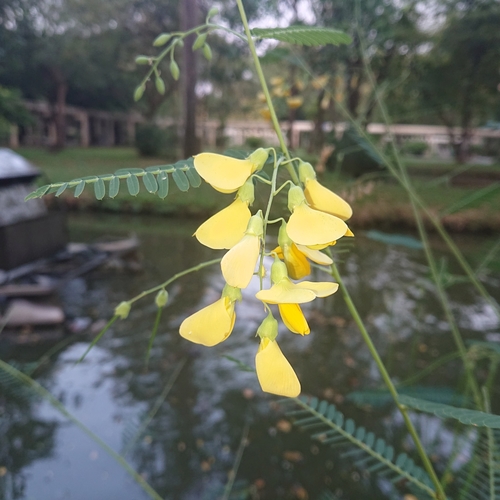
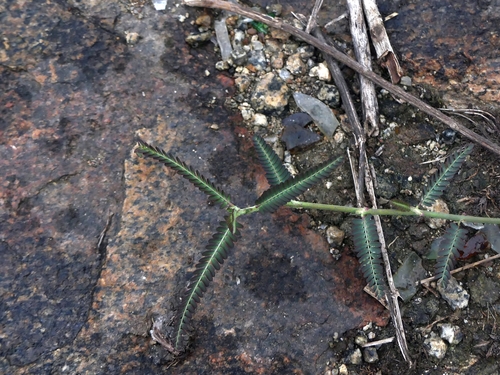
(c) Rich Stevenson, some rights reserved (CC BY-NC), uploaded by Rich Stevenson
iNaturalist· cc-by-nc
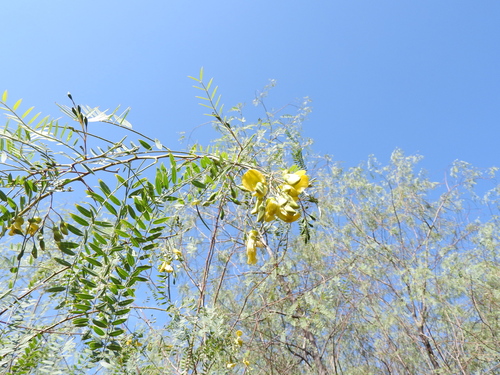
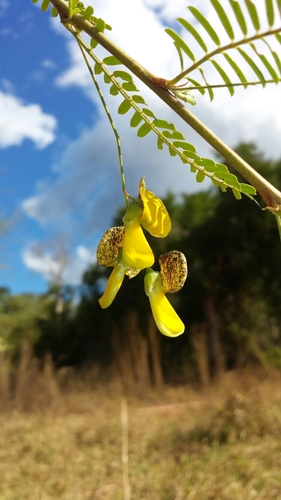
(c) Sara Rall, some rights reserved (CC BY-NC), uploaded by Sara Rall
iNaturalist· cc0
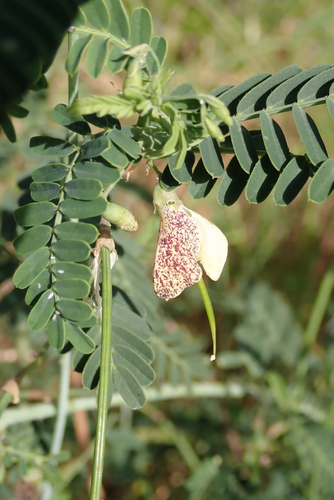
no rights reserved, uploaded by Bonnie Isaac
Summary
Source: WikipediaThermopsis villosa, commonly referred to as Carolina (false) lupine, Carolina bush pea, Southern lupine, Aaron's rod, and Blue Ridge golden banner, is an herbaceous plant in the legume family. Its native range is in North America, in the southern Appalachian Mountains. It is found elsewhere as an escape from cultivation.
Description
Perennial reaching 1.5m tall and 0.7m wide, growing slowly. Hardy to UK zone 6. Nitrogen-fixing plant noted for attracting wildlife. Adapts to light sandy, medium loamy, and heavy clay soils with good drainage, mildly acid to very acid pH. Grows in semi-shade or full sun, tolerating both dry and moist soil.
Edible Uses
None known.
Medicinal Uses
None known.
Distribution
It is a temperate plant. It suits hardiness zones 4-8.
Where It Grows
North America, USA,
Propagation
Sow seed with a scarified seed coat and germinate at room temperature or with bottom heat. Mature plants may also be divided in autumn.
Other Uses
Nitrogen fixer. Beneficial for insects and other arthropods, providing shelter for invertebrates.
Synonyms
References (1)
- Jackes, D. A., 2007, Edible Forest Gardens