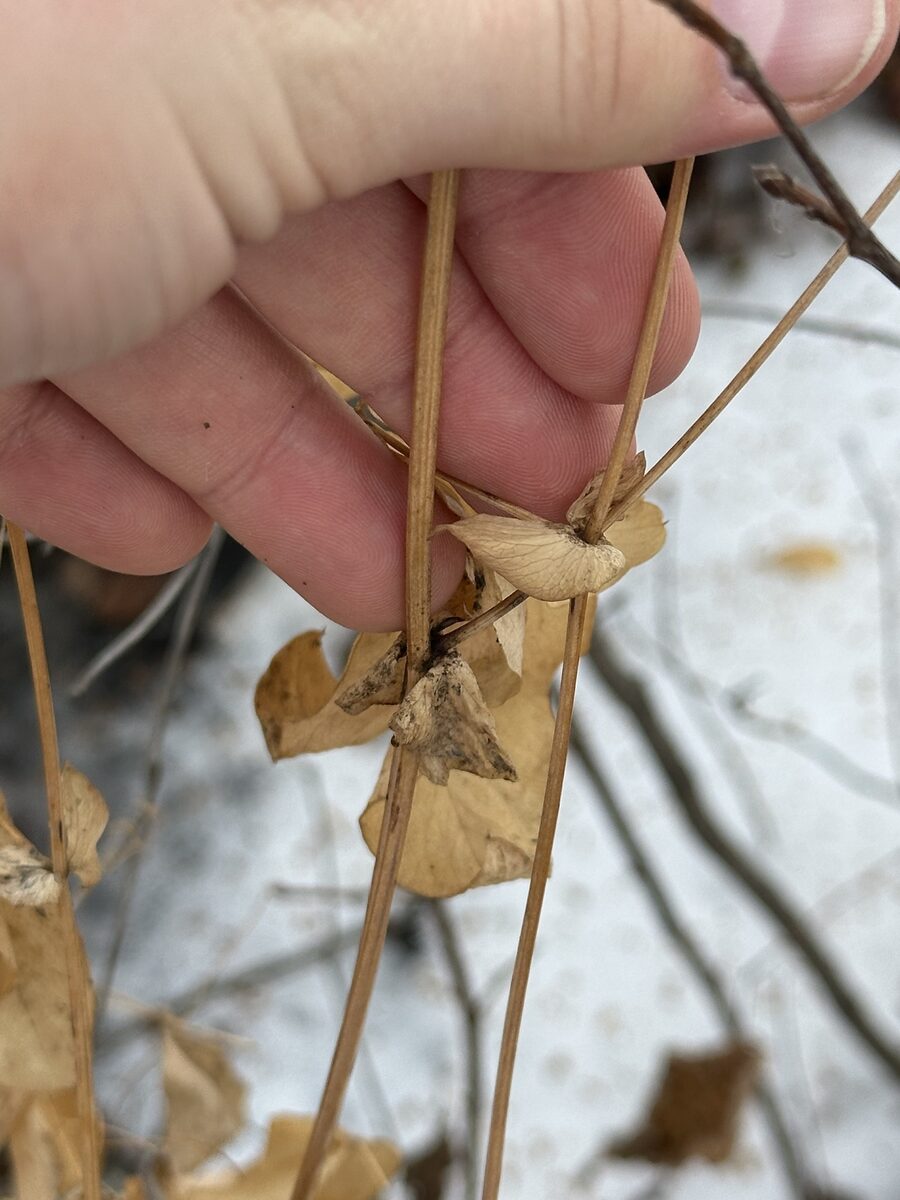
Cercis siliquastrum
L.
Judas tree, Redbud, Love tree, Mediterranean red bud
iNaturalist· cc-by-nc
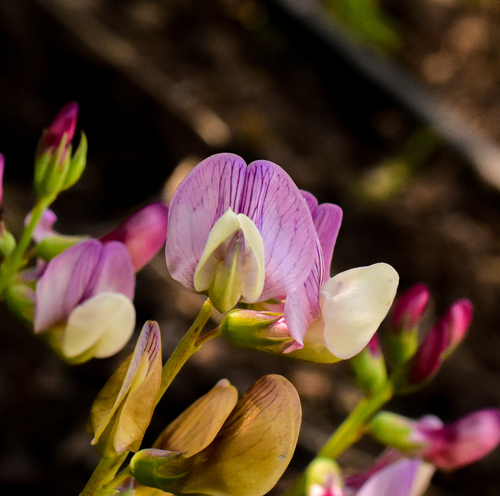
(c) Alenka Mihoric, some rights reserved (CC BY-NC), uploaded by Alenka Mihoric
iNaturalist· cc-by-nc
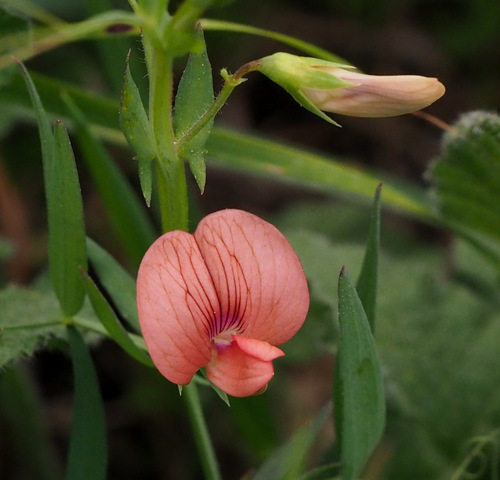
(c) Platon Kleanthidis, some rights reserved (CC BY-NC), uploaded by Platon Kleanthidis
iNaturalist· cc-by-nc
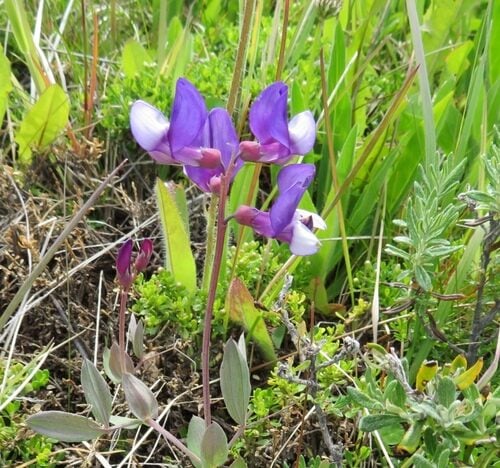
(c) Chaym Turak, some rights reserved (CC BY-NC), uploaded by Chaym Turak
Summary
Source: WikipediaCercis siliquastrum, European Cercis, commonly known as the Judas tree or Judas-tree, is a small deciduous species of redbud in the flowering plant family Fabaceae which is noted for its prolific display of deep pink flowers in spring. It is native to Southern Europe and Western Asia.
Description
A spreading shrub or small tree. It grows to about 8-10 m high. The stems are crooked. It loses its leaves during the winter. The leaves are 10 cm long by 12 cm wide. The leaves are bluish green. They are alternate and have a heart shaped base. They have rounded tips with a short spine. The edges are wavy. The flowers are deep pink. They occur in clusters on the previous year's growth. They can occur on the trunk. The fruit are pods which ripen to purple. The pods are 10 cm long. They have long whiskers at the base.
Edible Uses
The flowers are edible raw, with a sweetish-acid taste that makes them a pleasant addition to salads. Flower buds are pickled and used as a condiment. Seedpods can also be eaten raw.
Traditional Uses
The pods are used with other vegetables in salads. The flowers are made into fritters. They have a pleasant acid taste. The flower buds are pickled in vinegar and used as a condiment. The leaves are used for sarma in Turkey. They are rolled around a filling of rice or minced meat.
Medicinal Uses
None known
Distribution
It is native to W. Asia and S.E. Europe. Temperate. It grows best on dry, chalky soils. It cannot tolerate cold places. It suits hardiness zones 6-9. Arboretum Tasmania. National Arboretum Canberra.
Where It Grows
Afghanistan, Africa, Albania, Argentina, Asia, Australia, Azerbaijan, Balkans, Britain, Bulgaria, Caucasus, Central Asia, China, East Africa, Easter Island, Europe, France, Greece, Iran, Iraq, Israel, Italy, Jordan, Lebanon, Mediterranean*, Middle East, Mozambique, New Zealand, North America, Pakistan, Portugal, Sao Tome and Principe, Slovenia, South Africa, Southern Africa, South America, Spain, Syria, Russia, Tajikistan, Tasmania, Turkey, Türkiye, USA, Yugoslavia,
Cultivation
Succeeds in most soils and pH types, but dislikes growing in wet soils, especially when these are of clay. Prefers a deep sandy loam and a very sunny position. Thrives on chalk and in dry sandy soils. Probably does best on a poorish soil. Succeeds in light shade. Dislikes drought. Dormant plants are hardy to about -15°c. The young growth in spring, even on mature plants, is frost-tender and so it is best to grow the plants in a position sheltered from the early morning sun. Plants do not generally thrive at Kew, they prefer a hotter, continental climate in order to fully ripen their wood. One report says that plants require cool greenhouse treatment in Britain, though several good specimens have been seen outdoors in this country. The tree often does not flower freely in Britain, especially if the previous summer was cool. Plants are susceptible to coral spot fungus, especially when growing in areas with cool summers where the wood is not fully ripened. Plants in this genus are notably resistant to honey fungus. Resents root disturbance, plants should be planted into their permanent positions as soon as possible, preferably in May, and should be kept well watered until established. Any pruning is best carried out in the winter. A very ornamental plant, flowering well in Cornwall. It flowers better when growing in a continental climate. The flowers are produced on the branches of the previous or earlier years, and also on the trunk of the plant. A good bee plant. This species has a symbiotic relationship with certain soil bacteria, these bacteria form nodules on the roots and fix atmospheric nitrogen. Some of this nitrogen is utilized by the growing plant but some can also be used by other plants growing nearby.
Propagation
Seed is best sown as soon as it is ripe in a cold frame. Stored seed should be pre-soaked for 24 hours in warm water, then cold stratified for 3 months before sowing in spring in a greenhouse. Prick seedlings into individual pots once large enough to handle, grow on in a greenhouse through their first winter, then plant out in late spring or early summer after the last expected frosts. Plants resent root disturbance and should be moved to their permanent positions as soon as possible. Cuttings of half-ripe wood can be taken in July/August in a frame.
Other Uses
The wood is very hard, beautifully grained, and takes a very fine polish, making it suitable for veneers. Attracts wildlife; functions as a nitrogen fixer in food forest settings.
Production
Plants grow slowly.
Other Information
It is cultivated.
Notes
There are about 6 Cercis species. Also as Caesalpinaceae.
Also Known As
Erguvan, Judeževo drevo, Keci gevisi, Namdumbus, Yabani keciboynuzu
References (30)
- Bianchini, F., Corbetta, F., and Pistoia, M., 1975, Fruits of the Earth. Cassell. p 54
- Blamey, M and Grey-Wilson, C., 2005, Wild flowers of the Mediterranean. A & C Black London. p 78
- Bodkin, F., 1991, Encyclopedia Botanica. Cornstalk publishing, p 240
- Coombes, A.J., 2000, Trees. Dorling Kindersley Handbooks. p 192
- Cundall, P., (ed.), 2004, Gardening Australia: flora: the gardener's bible. ABC Books. p 360
Show all 30 references Hide references
- Dogan, Y., et al, 2004, The Use of Wild Edible Plants in Western and Central Anatolia (Turkey). Economic Botany 58(4) pp. 684-690
- Dogan, Y., et al, 2015, Of the importance of a leaf: the ethnobotany of sarma in Turkey and the Balkans. Journal of Ethnobiology and Ethnomedicine, 11:56
- Ertug, F, Yenen Bitkiler. Resimli Türkiye Florası -I- Flora of Turkey - Ethnobotany supplement
- Etherington, K., & Imwold, D., (Eds), 2001, Botanica's Trees & Shrubs. The illustrated A-Z of over 8500 trees and shrubs. Random House, Australia. p 200
- Facciola, S., 1998, Cornucopia 2: a Source Book of Edible Plants. Kampong Publications, p 67
- Flora of Pakistan. www.eFlora.org
- Harris, E & J., 1983, Field Guide to the Trees and Shrubs of Britain. Reader's Digest. p 36
- Hedrick, U.P., 1919, (Ed.), Sturtevant's edible plants of the world. p 180
- Hibbert, M., 2002, The Aussie Plant Finder 2002, Florilegium. p 64
- ILDIS Legumes of the World http:www:ildis.org/Legume/Web
- Kremer, B.P., 1995, Shrubs in the Wild and in Gardens. Barrons. p 92
- Lord, E.E., & Willis, J.H., 1999, Shrubs and Trees for Australian gardens. Lothian. p 50
- Morley, B. & Everard, B., 1970, Wild Flowers of the World. Ebury press. Plate 28
- Özdemir, E. and Kültür, S., 2017, Wild Edible Plants of Savaştepe District (Balıkesir, Turkey), Marmara Pharm J 21/3: 578-589
- Plants for a Future database, The Field, Penpol, Lostwithiel, Cornwall, PL22 0NG, UK. http://www.scs.leeds.ac.uk/pfaf/
- Postman, J. D., et al, 2012, Recent NPGS Coordinated Expeditions in the Trans-Caucasus Region to Collect Wild Relatives of Temperate Fruit and Nut Crops. In Acta Horticulturae Number 948 p 191-198
- Ryan, S., 2008, Dicksonia. Rare Plants Manual. Hyland House. p 14
- Seidemann J., 2005, World Spice Plants. Economic Usage, Botany, Taxonomy. Springer. p 93
- Sfikas, G., 1984, Trees and shrubs of Greece. Efstathiadis Group. Athens. p 100
- Sp. pl. 1:374. 1753
- Tardio, J., et al, Ethnobotanical review of wild edible plants in Spain. Botanical J. Linnean Soc. 152 (2006), 27-71
- World Checklist of Useful Plant Species 2020. Royal Botanic Gardens, Kew
- Young, J., (Ed.), 2001, Botanica's Pocket Trees and Shrubs. Random House. p 226
- Zeven, A. C. & de West, J. M. J., 1982, Dictionary of cultivated plants and their regions of diversity. Wageningen. p 113
- Zizka, G., 1991, Flowering Plants of Easter Island. Palmarum Hortus Francofurtensis