Cercis occidentalis
Torr. & A. Gray
California redbud, Western redbud
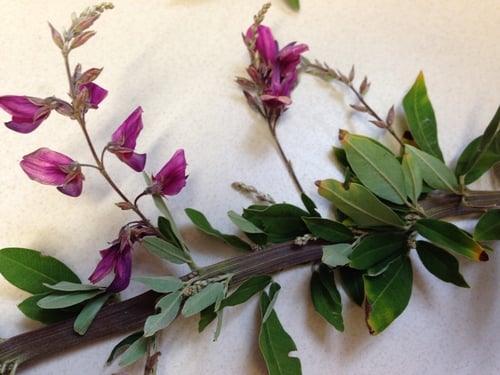
iNaturalist· cc-by-nc
(c) Thomas Teggeman, some rights reserved (CC BY-NC), uploaded by Thomas Teggeman
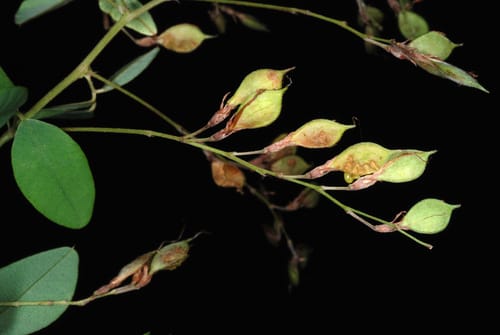
iNaturalist· cc-by-nc
(c) Orenda Randuch, some rights reserved (CC BY-NC), uploaded by Orenda Randuch
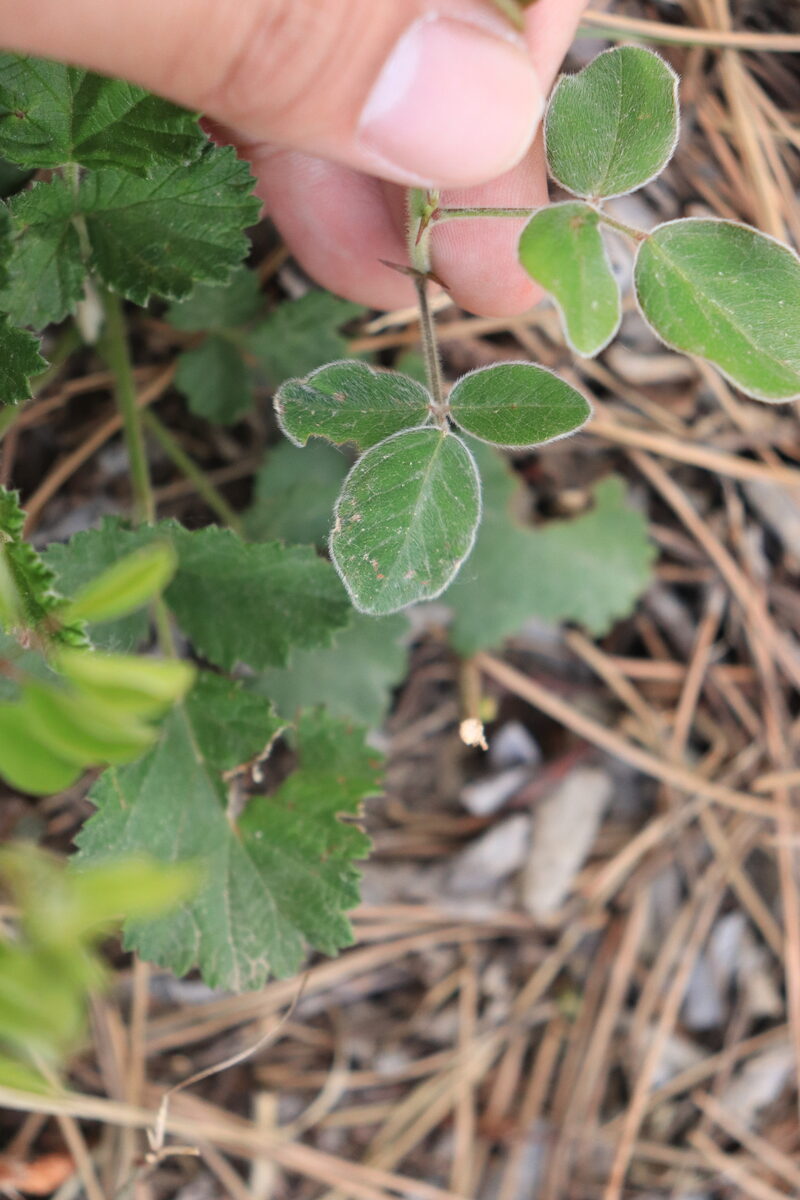
iNaturalist· cc-by-nc
(c) Todd Ramsden, some rights reserved (CC BY-NC), uploaded by Todd Ramsden
Summary
Source: WikipediaCercis occidentalis, the western redbud or California redbud, is a small tree or shrub in the legume family, Fabaceae. It is found primarily in Oregon and Northern California, with other redbuds of Utah and Arizona typically being the related species Cercis orbiculata. It is easily recognized when it is in bloom from March to May, when it is covered with small pink to purple flowers.
Description
A small tree or large shrub. It grows 4.5 m high. The leaves are leathery and rounded. The leaves are bluish green and paler underneath. The flowers are rose pink and in clusters. The fruit are pods 7.5 cm long.
Edible Uses
Western redbud offers pleasantly sweet flowers, flavorful but stringy young pods, and edible roasted seeds. Its edible value is modest but genuine, best appreciated in springtime when flowers are at their peak. Although limited in abundance across the interior Southwest, it remains a safe, distinctive, and enjoyable addition to foraging practice wherever it occurs. Edible parts include the flowers, flower buds, young pods, and mature seeds. Edibility Rating: Moderate—pleasant but minor wild food; good flavor in flowers and young pods; seeds edible but labor-intensive. Flowers provide mild sweetness and a faint floral aroma, making them suitable for salads, teas, and garnishes. Young pods are edible raw or cooked but are strongly stringy, limiting their usefulness. Seeds are edible when roasted but not well documented in taste. Overall, western redbud offers several edible parts but is not a high-yield or staple food source. Its primary value is novelty, flavor enhancement, and seasonal foraging interest. Flowers - raw. Added to salads, they have a pleasant acid taste. The flower buds are pickled like capers. Seedpods - roasted. The pods are up to 9cm long. Seed - cooked.Taste, Processing & Kitchen Notes: The flowers of western redbud are delicately sweet, faintly aromatic, and low in bitterness or astringency. Their texture is soft, with no need to remove sepals or pedicels. Flowers wilt quickly and are best used immediately or dried for storage. When soaked in cold water, they release a gentle sweetness that produces a refreshing beverage; when boiled, they impart a mild, green broth that works well in soups. Young pods contribute a more substantial vegetable note reminiscent of garden peas, combined with a slightly tangy or fruity overtone. Fresh pods may contain a trace of bitterness that disappears when boiled, although the stringy texture remains regardless of cooking method. Mature pods eventually become woody and are unsuitable for food except as a source of seeds. The seeds themselves, while edible, are not well described in modern literature; traditional accounts mention roasting them in ashes prior to eating, suggesting a flavor profile similar to other small legume seeds. Seasonality (Phenology): Western redbud begins its seasonal cycle with a dramatic flowering period in early spring, usually from February through April in California and slightly later in Nevada, Utah, and Arizona. Leaves follow quickly after flowering. Young pods appear in late spring and remain usable into early summer while they are still green, soft, and flexible. By midsummer the pods mature, dry, and adopt a reddish-brown color, indicating that the seeds inside have hardened. Seeds may remain on the shrub into autumn and occasionally into winter if not consumed by wildlife.Safety & Cautions (Food Use): All known edible parts of western redbud are considered safe when consumed in moderation. Individuals sensitive to legumes should exercise caution. Harvesting should be restricted to clean, undeveloped areas free from pesticides, herbicides, and roadside pollution. Pods should be eaten only while green and flexible; mature pods are tough, dry, and not suitable for direct consumption. Harvest & Processing Workflow: The best time to harvest flowers is in the early morning when they are fresh, turgid, and at peak flavor. Flowers can be eaten raw, dried for later use, or infused into water. Young pods should be collected while still bright green and pliable; they may be washed and sliced for cooking or eaten raw for their pea-like taste. Mature seeds are gathered in midsummer when the pods turn reddish-brown and begin to dry. Traditional processing involved roasting the pods in ashes to loosen and toast the seeds, after which the pods could be cracked and the seeds separated. Modern foragers may use similar dry-roasting methods to enhance flavor. Look-Alikes & Confusion Risks: Western redbud is highly distinctive and rarely confused with other species. Its round, heart-shaped leaves, clusters of bright pinkish-purple flowers borne directly on older branches, and flat, lightweight seedpods make it unmistakable. Eastern redbud (Cercis canadensis) is the only species with similar features, but it occurs far from the Southwest. There are no known toxic plants in the region that closely resemble western redbud. Traditional / Indigenous Use Summary: Ethnobotanical records for western redbud’s edible uses are limited. The most commonly referenced account is from the Navajo, who roasted the pods in ashes to extract and consume the seeds. More widespread and better documented is the use of western redbud bark for basketry, an important craft among several Native Californian groups. While the edible parts were not major staples, their presence in the ethnobotanical record confirms their cultural and practical value.
Traditional Uses
The roasted pods and seeds are eaten. The flowers are used in salads. The buds are pickled like capers.
This uses section is brief — help expand it
Medicinal Uses
None known.
Known Hazards
There are no major toxicity concerns documented for the edible parts of western redbud. However, as with many leguminous plants, moderate consumption is advisable when eating pods or seeds due to potential digestive difficulty from fibrous tissues. Flowers are very low risk and widely regarded as safe. Only young pods should be eaten; mature pods become too tough for practical use. As with all wild foods, sample lightly at first to ensure compatibility.
Distribution
Temperate. It will grow in most soils. It suits hardiness zones 5-9.
Where It Grows
Australia, North America*, USA,
Cultivation
This species grows best in well-drained soils, particularly those of foothill regions, canyon bottoms, and rocky slopes that receive periodic but not constant moisture. It tolerates drought well once established, although occasional deep watering encourages better flowering and pod production. Western redbud prefers full sun for maximum bloom intensity but also grows successfully in partial shade, especially in hotter interior regions. It handles a range of soil textures, including gravelly, loamy, and clay-rich soils, provided that drainage is adequate. Succeeds in most soils and pH types, but dislikes growing in wet soils, especially when these are of clay. Prefers a deep damp sandy loam and a very sunny position. Succeeds in light shade. Dislikes drought. Repays generous treatment. This species does not flower very freely in Britain. Plants do not thrive at Kew, they prefer a hotter climate. Plants require cool greenhouse treatment in Britain. The flowers are produced on the branches of the previous or earlier years, and also on the trunk of the plant. Plants are susceptible to coral spot fungus, especially when growing in areas with cooler summers where the wood is not fully ripened. Plants in this genus are notably resistant to honey fungus. Resents root disturbance, plants should be planted into their permanent positions as soon as possible, preferably in May, and should be kept well watered until established. This species has a symbiotic relationship with certain soil bacteria, these bacteria form nodules on the roots and fix atmospheric nitrogen. Some of this nitrogen is utilized by the growing plant but some can also be used by other plants growing nearby. Habitat & Range: Western redbud is native primarily to California, where it thrives in foothill woodlands, chaparral margins, riparian zones, and moist canyon environments. Beyond California, it occurs in isolated or narrow bands in southern Nevada, southwestern Utah, and northwestern Arizona, usually near springs, seeps, seasonal waterways, or mountain slopes with reliable moisture. Elevational ranges vary from roughly 300 to 1,400 metres, with populations at higher elevations blooming somewhat later in spring. Size & Landscape Performance: As a landscape plant, western redbud reaches between two and four metres in height and roughly the same in width, forming a rounded, vase-like structure with multiple stems. Its spring flowers provide spectacular ornamental value, and its round leaves add a bold-textured, architectural quality throughout summer. In autumn, the pods contribute additional interest, and in winter the branching structure remains attractive. Overall performance in gardens is excellent, particularly in Mediterranean climates or regions with dry summers and cool, moist winters. Cultivation (Horticulture): Western redbud is widely cultivated in California and increasingly planted in native gardens across the West. It requires minimal care once established and thrives under conditions that mimic its natural canyon habitats. Occasional deep watering prolongs flowering and supports more vigorous pod production. Pruning immediately after flowering allows the plant to retain its natural shape while removing dead or crossed branches. Because it forms a deep root system, it should be planted where it can remain undisturbed for many years. Pests & Problems: Western redbud is generally robust and free of serious disease issues. Minor problems may include scale insects, leafhoppers, and caterpillars, though these seldom threaten the plant’s long-term health. In particularly humid seasons, leaf spotting may appear, but it rarely progresses to damaging levels. Drought stress can cause early pod drop, especially in hotter interior regions, but the plant typically recovers once moisture becomes available. Cultivar/Selection Notes: No widely recognised edible cultivars exist. The species, however, is frequently selected for ornamental purposes, with garden varieties emphasising flower density, colour saturation, or tolerance to particular soil conditions. All cultivars share the same edible traits as wild-type plants. Pollination: Western redbud relies primarily on native bees for pollination, especially small solitary bees active early in spring. Bumblebees and occasional hummingbirds also contribute. The timing of flowering—often before broadleaf species leaf out—ensures that flowers are highly visible and accessible to pollinators emerging from winter dormancy. Self-pollination is possible but less common, ensuring genetic diversity in wild populations. Identification & Habit: Western redbud grows as a multi-stemmed shrub or small tree with smooth grey bark that darkens and roughens with age. Plants typically reach between two and four metres but may grow larger in moist California foothills. The leaves are round to kidney-shaped, smooth, hairless, and borne alternately on short stalks. Their shape is diagnostic among shrubs of the Southwest. Early in the season, dense clusters of bright pinkish-purple flowers emerge directly from older branches, a trait known as cauliflory. Each flower displays the familiar pea-type structure of the bean family. Following the bloom, flat, papery pods begin to form, ripening to reddish-brown as summer advances. The overall growth habit is open, branching, and graceful, often shaped by canyon light patterns, water availability, and browsing pressure.
Propagation
Propagation is most commonly by seed. Seeds have a hard coat and require scarification to germinate reliably; soaking in hot water or mechanically abrading the seed coat improves germination, and stratification for several weeks improves results in colder climates. Vegetative propagation via cuttings is possible but success rates tend to be low, making seed propagation the preferred method. Seedlings establish readily in well-drained soils with seasonal moisture.
Other Uses
Western redbud is a valuable species for wildlife. Its early-season flowers provide nectar for native bees, including small solitary bees and early-emerging bumblebees, and hummingbirds may also visit the blossoms. Pods and seeds are consumed by birds and small mammals. The shrub provides cover and nesting structure for quail and other songbirds. The bark of western redbud is used in basketry, an important craft among several Native Californian groups. Suitable as a specimen plant in native gardens across the West.
Notes
There are about 6 Cercis species. Also as Caesalpinaceae.
Also Known As
Western Redbud (Cercis occidentalis. California redbud.
References (8)
- Beckstrom-Sternberg, Stephen M., and James A. Duke. "The Foodplant Database." http://probe.nalusda.gov:8300/cgi-bin/browse/foodplantdb.(ACEDB version 4.0 - data version July 1994)
- Bodkin, F., 1991, Encyclopedia Botanica. Cornstalk publishing, p 240
- Boston J. Nat. Hist. 6:177. 1850
- Brickell, C. (Ed.), 1999, The Royal Horticultural Society A-Z Encyclopedia of Garden Plants. Convent Garden Books. p 249
- Cundall, P., (ed.), 2004, Gardening Australia: flora: the gardener's bible. ABC Books. p 360
Show all 8 references Hide references
- Etherington, K., & Imwold, D., (Eds), 2001, Botanica's Trees & Shrubs. The illustrated A-Z of over 8500 trees and shrubs. Random House, Australia. p 200
- Facciola, S., 1998, Cornucopia 2: a Source Book of Edible Plants. Kampong Publications, p 67
- Plants for a Future database, The Field, Penpol, Lostwithiel, Cornwall, PL22 0NG, UK. http://www.scs.leeds.ac.uk/pfaf/