Commiphora confusa
Vollesen
Kenya frankincense
Burseraceae Edible: Root
gbif· cc-by
Royal Botanic Gardens, Kew
gbif· cc-by
Royal Botanic Gardens, Kew
gbif· cc-by-nc-sa
MBG
Description
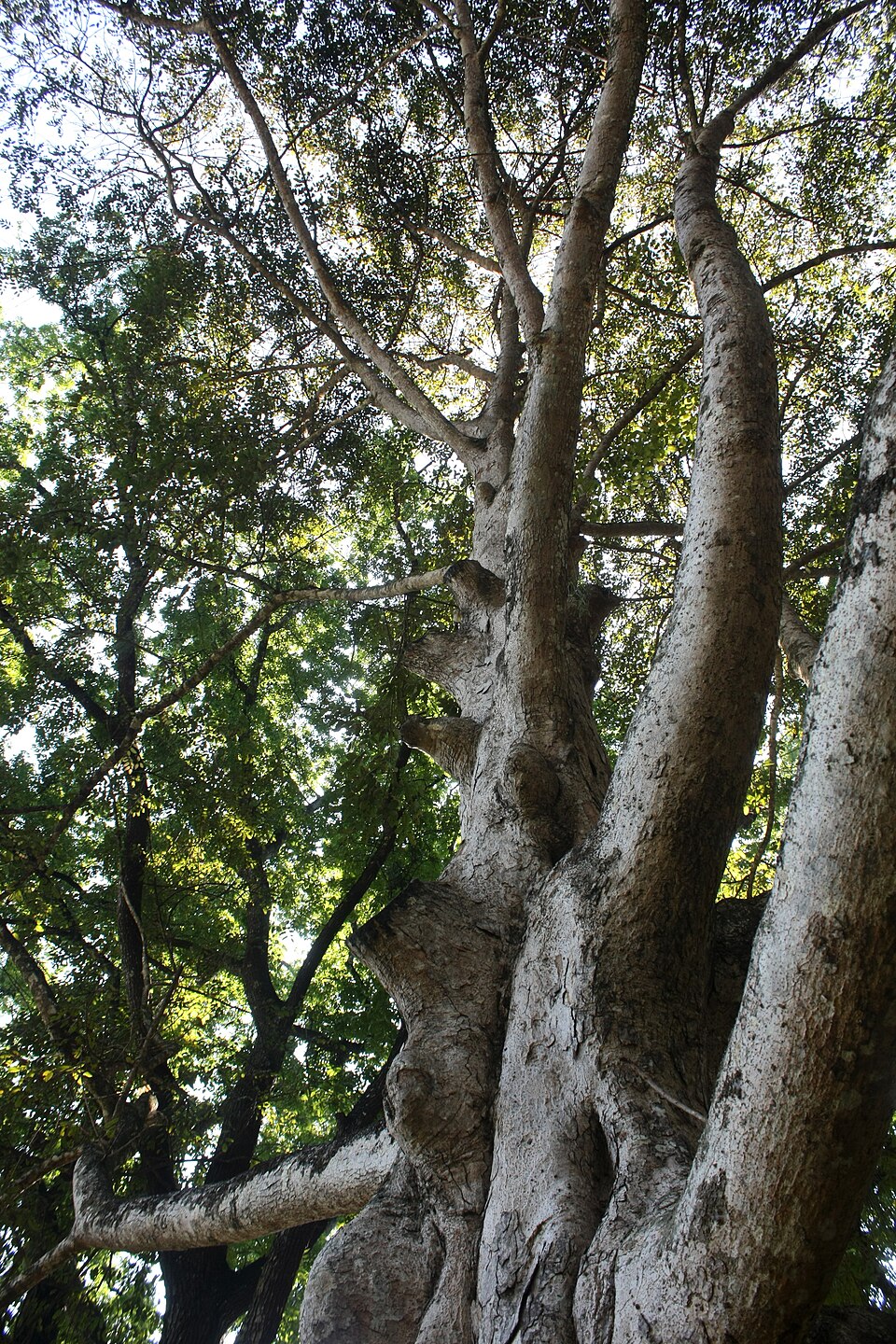
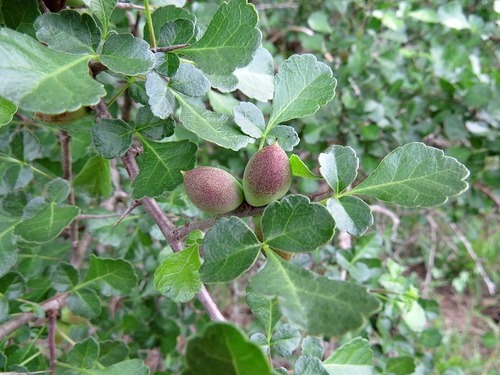
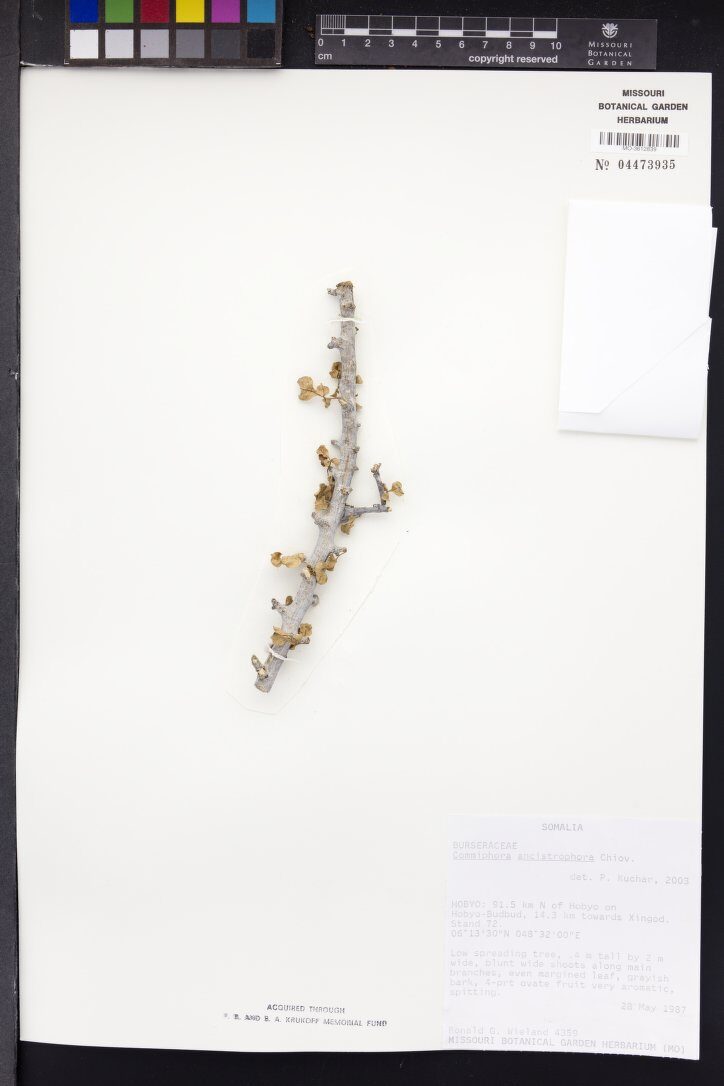
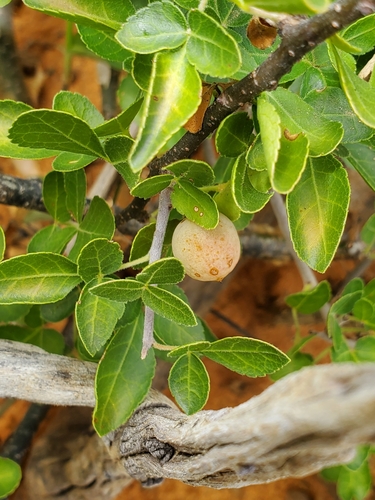
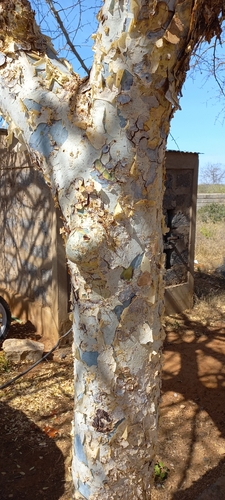
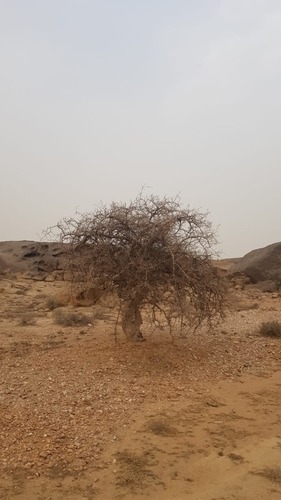
A tree. It grows 6 m tall. It can have spines. The bark is brownish and peels off. The leaves have 3 leaflets. The flowers are yellowish green. Female flowers occur singly. The fruit are oval and 8-10 mm long by 2-4 mm wide.
Edible Uses
The gum is chewable, and the roots are eaten.
Traditional Uses
The gum is chewable. (Some of the gum is not chewed.)
This uses section is brief — help expand it
Medicinal Uses
The gum has traditional uses.
Distribution
It is a tropical plant. It has been recorded at 1,250 m above sea level.
Where It Grows
Africa, East Africa, Ethiopia, Kenya, Tanzania,
Cultivation
It can be grown as a hedge.
Also Known As
Qeyi
References (3)
- Addis, G., et al, 2013, The Role of Wild and Semi-wild Edible Plants in Household Food Sovereignty in Hamer and Konso Communities, South Ethiopia. Ethnobotany Research & Applications. 11:251-271
- Dekebo, A., et al, 2002, Dammarane triterpenes from the Resins of Commiphora confusa. Bull. Chem. Soc. Ethiop. 2002, 16(1), 81-86.
- Lulekal, E., et al, 2011, Wild edible plants in Ethiopia: a review on their potential to combat food insecurity. Afrika Focus - Vol. 24, No 2. pp 71-121